How Neuropathy Affects Your Relationship and Marriage
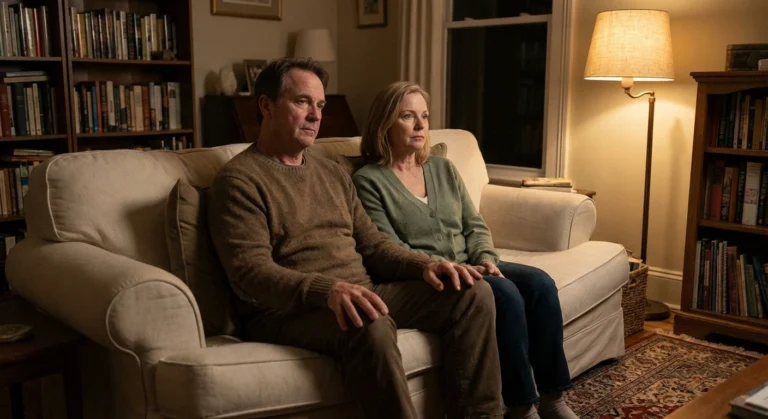
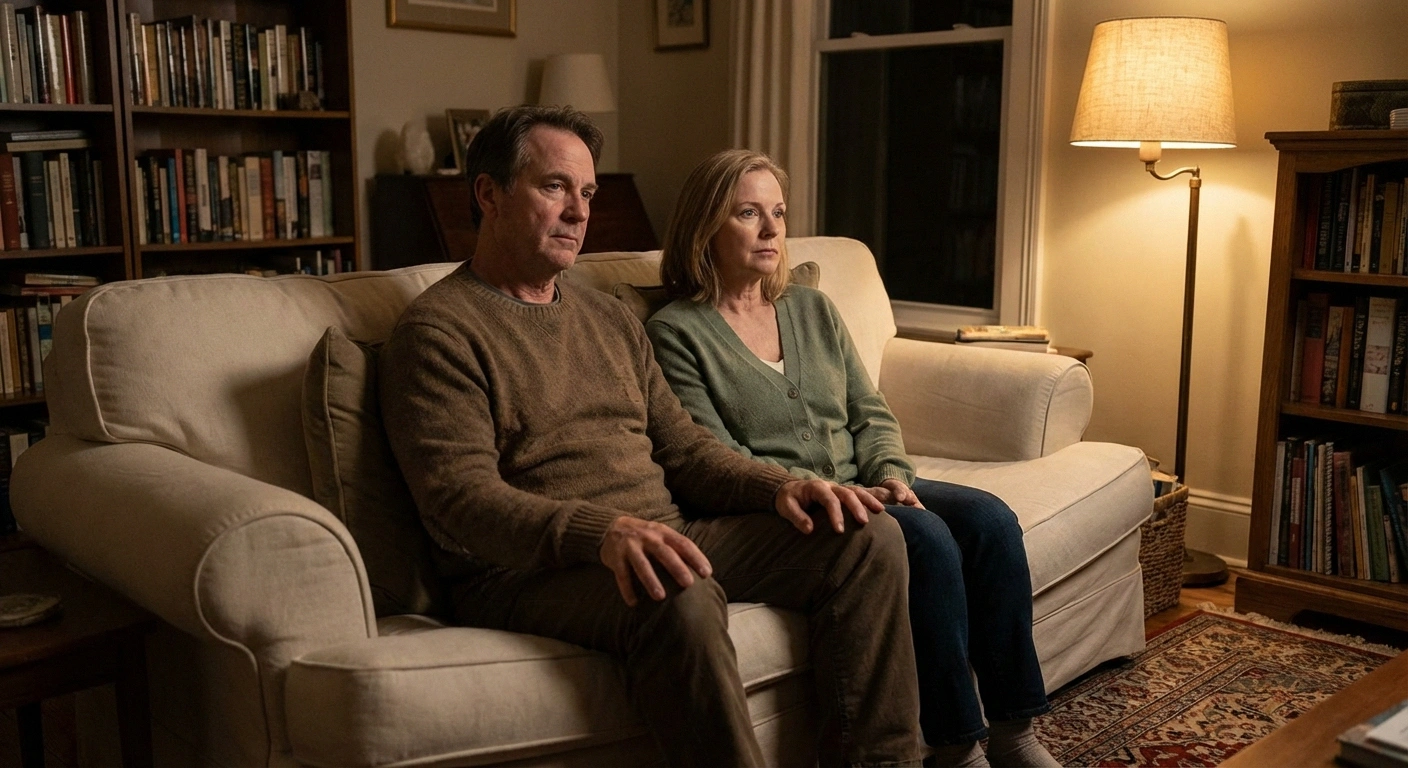
Nobody tells you about this part when you're first diagnosed. The doctors explain the nerve damage, the medications, the lifestyle changes. But they rarely mention what happens to the person lying next to you in bed — the one who watches you wince when the sheets brush your feet, who takes over the chores you used to split evenly, who doesn't always know what to say when the pain makes you withdraw. Neuropathy doesn't just live in your nerves. It moves into your relationship and redecorates everything.
The Invisible Weight on Your Partnership
Chronic pain changes the dynamics of a relationship in ways that aren't always obvious from the outside. A study published in the Journal of Advanced Nursing explored the impact of neuropathic pain on relationships and found that key difficulties centered on “the reduction in quality and/or number of personal relationships.” The researchers noted that the unpleasant and bizarre nature of neuropathic pain — the burning, the electric shocks, the hypersensitivity to touch — makes it particularly difficult to explain to others, even those closest to you.
Here's what that looks like in real life: You cancel plans because of a flare-up. Your partner picks up the slack without being asked, then quietly resents it. You feel guilty for being a burden. They feel guilty for feeling frustrated. Nobody says any of this out loud, and the silence becomes its own kind of distance.
This pattern isn't unique to neuropathy, but neuropathy adds its own particular challenges that make relationships harder than they need to be.
Why Neuropathy Is Uniquely Hard on Relationships
Not all chronic conditions affect relationships equally. Several aspects of neuropathy make it particularly challenging for couples to navigate together.
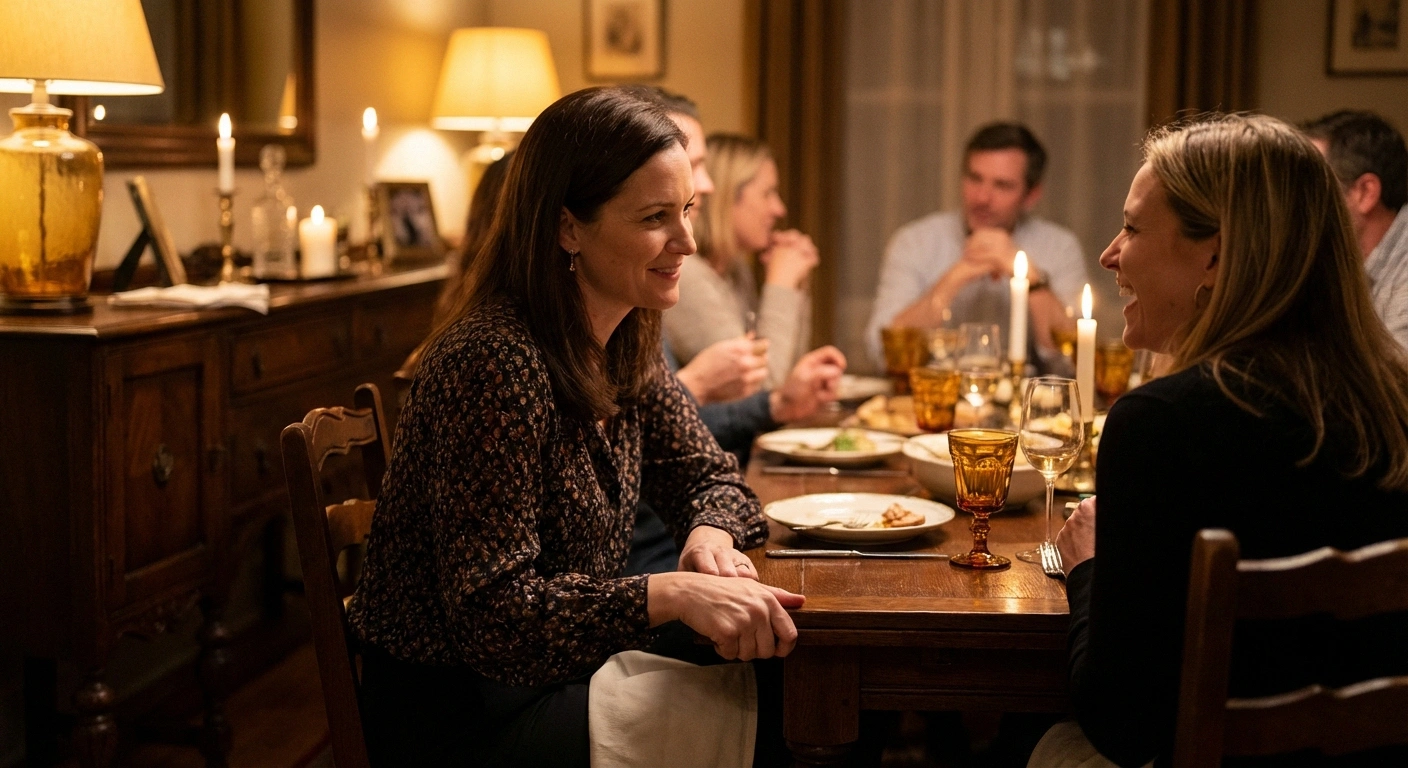
The invisibility problem. Neuropathy doesn't come with a cast, a wheelchair, or any visible sign that something is wrong. Your partner sees you looking perfectly fine while you're experiencing burning, stabbing pain that no one can see. This disconnect breeds misunderstanding. “You seem fine” is one of the most painful sentences a neuropathy patient hears — and their partner may think it and even say it, not from cruelty, but from genuine confusion.
The unpredictability factor. Neuropathy flare-ups don't follow a schedule. You might feel good enough to plan a weekend trip, then wake up the day of departure barely able to put on shoes. This unpredictability makes it hard for couples to plan anything with confidence, and it puts the non-affected partner in a position of never quite knowing what to expect.
Touch becomes complicated. When even light touch can trigger pain, physical affection — the glue of most romantic relationships — gets complicated. Holding hands may hurt. A hug might feel like sandpaper. The weight of a blanket may be unbearable. Losing casual physical contact is a real loss for both partners, and it can create a sense of physical isolation within the relationship.
Sleep disruption affects you both. When neuropathy keeps you up at night, your partner often suffers too — from your restlessness, your need to adjust positions, or simply from worry. Chronic sleep deprivation makes everything worse: pain tolerance drops, patience shortens, and emotional resilience erodes for both of you.
The Role Shift Nobody Signed Up For
One of the most challenging dynamics in a neuropathy-affected relationship is the gradual shift from equal partners to patient and caregiver. This shift can happen so slowly that you don't realize it until the dynamic has completely changed.
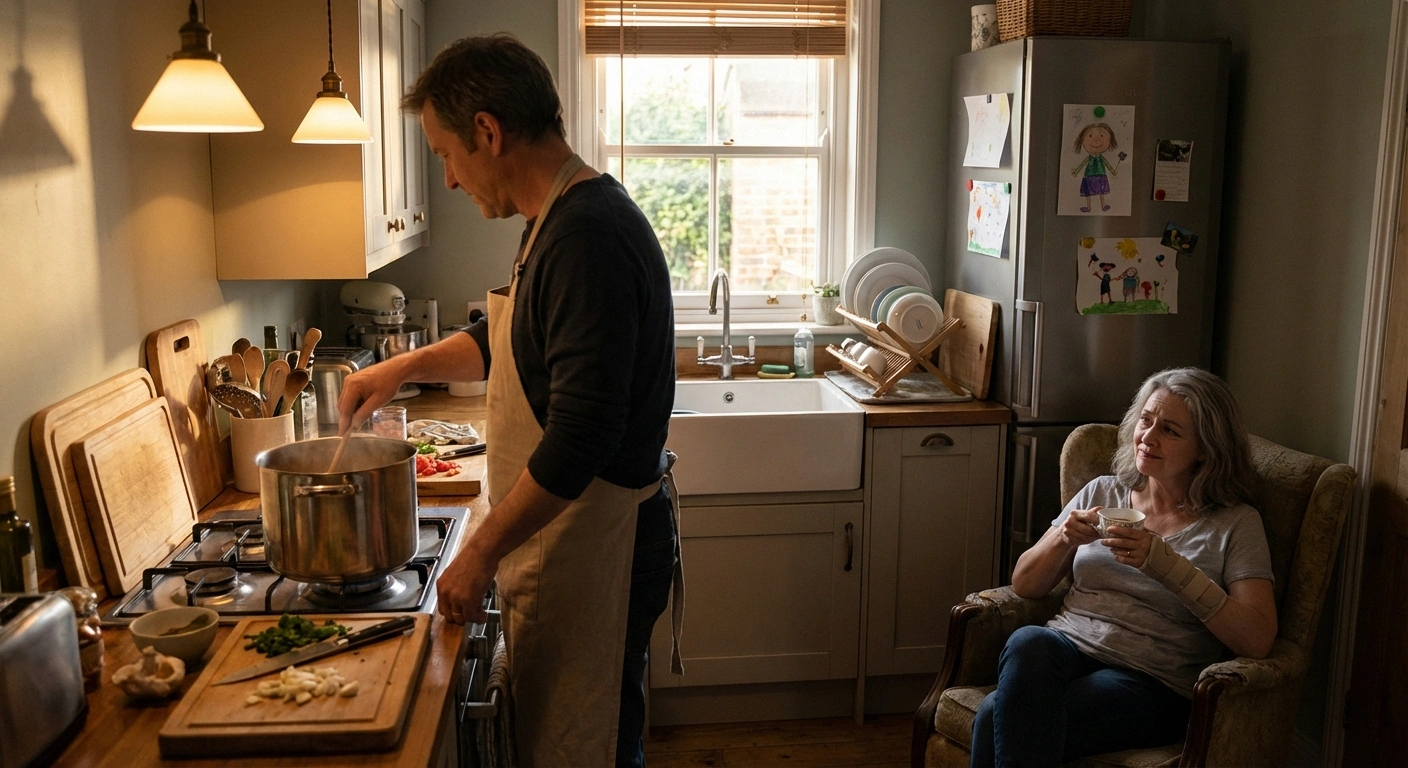
Maybe your partner now does all the cooking because you can't stand for long periods or your hands can't grip utensils safely. Maybe they drive everywhere because your feet can't feel the pedals reliably. Maybe they've taken over the finances, the household repairs, the garden you used to tend together.
Each individual adjustment seems reasonable. Together, they add up to a fundamental transformation of the relationship. The person with neuropathy may feel a deep loss of identity and independence — especially if you were the one who “took care of things” before. And the caregiving partner may feel overwhelmed, unappreciated, or guilty about wanting time for themselves.
Research on neurological conditions and relationships from the Brain & Spine Foundation notes that when one partner becomes a caregiver, it can be difficult for both people to “understand, accept and adapt to this new dynamic.” Acknowledging this shift openly is the first step toward managing it.
Intimacy and Sexual Health
Let's talk about what many couples struggle with but few feel comfortable discussing — even with their doctors. Neuropathy can directly affect sexual function through nerve damage to the pelvic region (autonomic neuropathy), and it can indirectly affect intimacy through pain, fatigue, medication side effects, and emotional distress.
Direct effects: Autonomic neuropathy can cause erectile dysfunction, reduced vaginal lubrication, difficulty reaching orgasm, or reduced genital sensation. These aren't relationship problems — they're neurological symptoms that deserve medical attention, just like numbness in your feet.
Indirect effects: Many neuropathy medications — including gabapentin, pregabalin, and antidepressants — can reduce libido or sexual function. Pain and fatigue make intimacy feel like one more demand on an already depleted body. Anxiety and grief over lost function can make you withdraw from physical closeness entirely.
What helps: Talk to your doctor — there may be medication adjustments that reduce sexual side effects. Expand your definition of intimacy beyond intercourse. Physical closeness, massage (in areas where touch isn't painful), emotional connection, and shared activities can maintain the bond that both partners need. Some couples find that scheduling intimate time — while not “spontaneous” — actually reduces the pressure and creates space for connection.
Communication: The Skills That Actually Help
Most relationship advice for chronic illness boils down to “communicate more.” That's true but incomplete. The kind of communication matters more than the quantity. Here are specific strategies that actually work for neuropathy-affected couples.

☐ Schedule weekly or biweekly relationship check-ins
☐ Use “the condition” language: “Neuropathy is making this hard” not “I can't do anything”
☐ Ask specific questions instead of general “How can I help?”
☐ Both partners: name your own emotions without blaming the other
☐ The partner with neuropathy: acknowledge the caregiver's experience
☐ The caregiving partner: express frustration about the situation, not the person
☐ Celebrate good days together — don't spend all of them catching up on errands
Use a pain scale — together. Develop a shared shorthand for how you're feeling. A simple 1-10 scale, used consistently, gives your partner real information without requiring you to explain your pain in detail every time. “I'm at a 7 today” tells them what they need to know without a conversation that exhausts you.
Separate the person from the condition. “I'm frustrated that neuropathy is making tonight difficult” is different from “I can't do anything anymore.” The first is a statement about the situation. The second is a global judgment that invites hopelessness. Language matters.
Schedule check-ins. Don't wait until resentment boils over. Set a regular time — weekly or biweekly — to talk honestly about how you're both doing. Not just about the neuropathy, but about the relationship itself. How are you feeling about the division of responsibilities? What do you each need that you're not getting? What's working?
Ask specific questions. “How can I help?” is a generous question that puts the burden on the person in pain to figure out the answer. Try being more specific: “I'm going to the store — what do you need?” or “I noticed you've been doing all the dishes. Can we find a way I can help with meals that works for my hands?”
Validate the caregiver's experience. If you're the partner with neuropathy, recognizing that your spouse is also affected by this condition isn't weakness — it's accuracy. “I know this is hard for you too” opens a door that many caregivers need but won't open for themselves.
For the Partner Without Neuropathy
If you're the partner reading this section, here's what your spouse may not tell you:
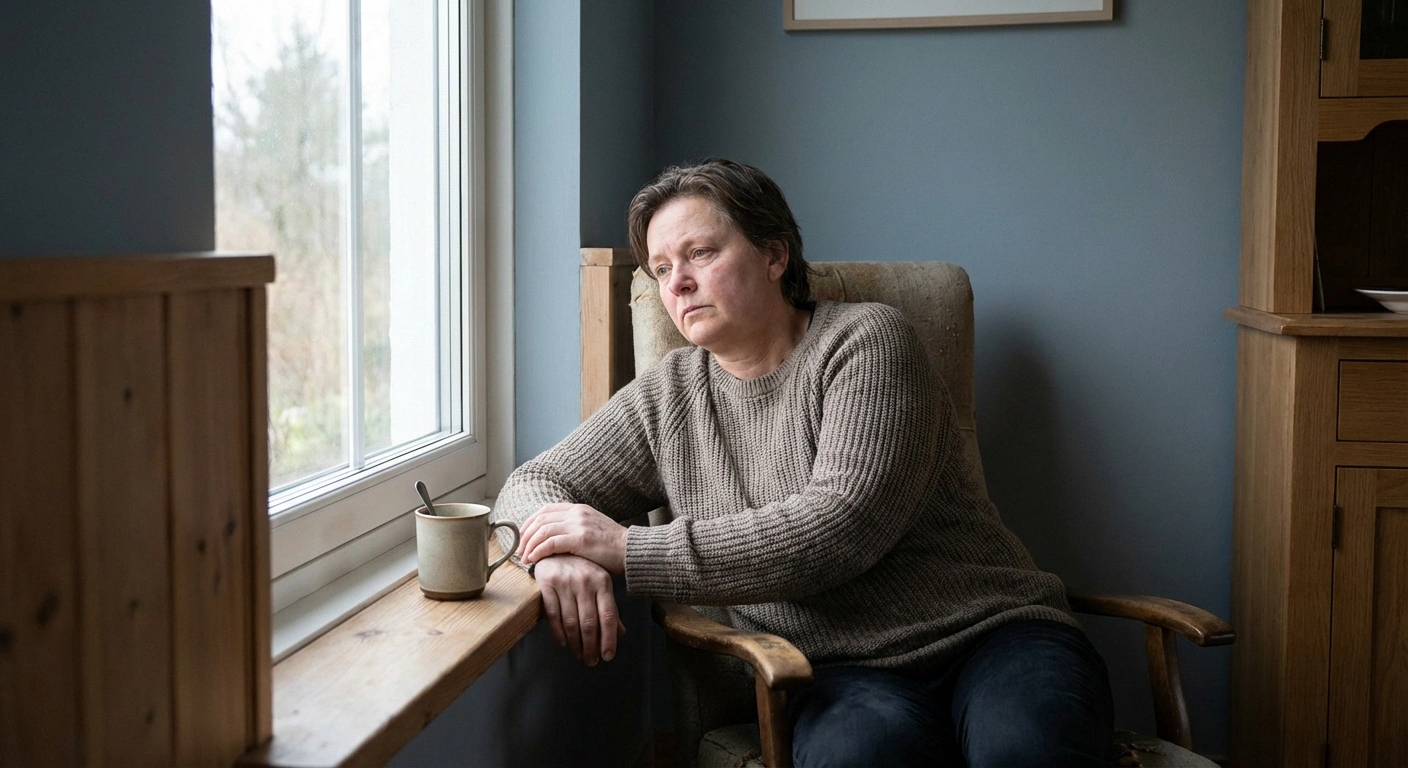
They feel guilty. Not sometimes — almost constantly. Guilty about what they can't do, about the burden they feel they've become, about the plans that get canceled, about the financial impact of medical bills and lost productivity. They don't need you to fix the guilt, but they need to know you don't see them as a burden.
They mourn who they were. Grief over lost function is real and recurring. They may grieve the activities you did together, the physical capabilities they've lost, and the future they imagined. This grief doesn't mean they're not grateful for what they have — both things can be true simultaneously.
Your feelings are valid too. You're allowed to feel frustrated, exhausted, scared, or even angry. These feelings don't make you a bad partner. They make you human. But find appropriate outlets — a therapist, a trusted friend, a caregiver support group — rather than suppressing these feelings until they explode in ways that damage the relationship.
Learn about neuropathy. Understanding how neuropathy progresses, what the pain actually feels like, and what triggers flare-ups helps you respond with empathy rather than confusion. You don't need to become a medical expert, but basic knowledge prevents the “you look fine” disconnect that erodes trust.
Protecting Your Relationship: Practical Strategies
Beyond communication, several concrete strategies help couples maintain a strong relationship while managing neuropathy.

Redefine shared activities. If hiking was your thing but feet no longer cooperate, find new shared activities that accommodate current abilities. Swimming, watching films, cooking together (with adaptations), board games, audiobooks, or simply sitting together in the garden can maintain the “us” feeling that shared activities create.
Maintain separate identities. The partner without neuropathy needs to maintain their own friendships, hobbies, and interests. The partner with neuropathy needs activities and social connections beyond their spouse. When one person becomes the other's entire social world, the relationship buckles under the weight.
Consider couples therapy. This isn't a sign that your relationship is failing — it's a tool for navigating a difficult transition. A therapist experienced with chronic illness can help you develop communication strategies, process grief and role changes, and build a relationship that works within your current reality rather than constantly comparing to what was.
Plan for good days. When you have a low-pain day, use some of that energy for your relationship. A short date, a real conversation, physical closeness — whatever fills your particular tank. Good days are precious; don't spend all of them catching up on errands.
Build a care team so your partner isn't the only support. Support groups, therapists experienced with chronic pain, physical therapists, and medical providers should share the load. When your partner is your only support system, it intensifies the caregiver dynamic and starves the partnership of oxygen.
When to Seek Professional Help
Some struggles are beyond what self-help strategies can address. Consider professional support if you notice persistent resentment or contempt from either partner, complete withdrawal from intimacy (physical and emotional), one partner showing signs of depression or anxiety, conversations about the condition always escalating into arguments, or either partner feeling trapped in the relationship because of the medical situation. These aren't signs of failure — they're signs that the challenge has exceeded what you can manage alone, and that's okay. Getting help is a relationship-strengthening move, not a relationship-ending one.

Frequently Asked Questions
How do I explain neuropathy pain to my partner?
Use concrete analogies rather than abstract descriptions. Burning pain is like “holding your foot over a campfire.” Tingling is like “your entire foot fell asleep and never woke up.” Allodynia (pain from light touch) is like “having a sunburn so bad that even a soft t-shirt feels like sandpaper.” Sharing articles like this one, or resources from NeuropathyResource.com, gives your partner context beyond what any single conversation can provide.
My partner thinks I'm exaggerating. What do I do?
This is painfully common because neuropathy is invisible. Consider inviting your partner to a doctor's appointment so they can hear directly from a medical professional about the condition. Sharing educational resources helps too. If the disbelief persists despite education, couples therapy with a chronic pain-informed therapist may be needed to bridge the empathy gap.
Is it normal to feel like a burden?
Extremely common, and extremely understandable — but not accurate. Research on chronic illness consistently shows that partners of people with chronic conditions choose to stay because of love, commitment, and the relationship itself — not obligation. If burden feelings are persistent and overwhelming, they may be a sign of depression, which is both common in neuropathy and very treatable.
How can neuropathy affect intimacy?
Neuropathy affects intimacy through multiple pathways: direct nerve damage to sexual organs (autonomic neuropathy), pain during physical contact, fatigue that reduces desire, medication side effects on libido, and emotional withdrawal from depression or grief. Each of these has potential solutions — from medication adjustments to expanded definitions of intimacy to professional sex therapy. The key is addressing these issues openly rather than letting them silently erode the relationship.
Should we try couples therapy even if we're not fighting?
Yes — in fact, starting therapy before the relationship is in crisis is ideal. A therapist experienced with chronic illness can help you build communication tools, process the grief and role changes that come with neuropathy, and develop strategies for maintaining intimacy and partnership. Think of it as preventive maintenance for your relationship, not emergency repair.
Where can partners find support for themselves?
Partners and caregivers need their own support, separate from the person with neuropathy. Options include caregiver support groups (online and in-person), individual therapy with a chronic illness-informed therapist, the Foundation for Peripheral Neuropathy's caregiver resources, and local Area Agency on Aging services. Many partners find that connecting with other caregivers — people who truly understand the experience — is more helpful than talking to friends who haven't lived it.
It's Still Your Relationship
Neuropathy changes a lot about your daily life. It changes how you move, how you sleep, how you plan, and yes, how you relate to the person you love. But it doesn't have to define your relationship. With honest communication, realistic expectations, professional support when needed, and a willingness to adapt together, many couples find that navigating chronic illness actually deepens their connection in ways they didn't expect.
The relationship you have now won't look like the one you had before neuropathy. That's not a failure — that's what all relationships do over time. They adapt, they change shape, and when tended carefully, they grow stronger in the broken places.
For more on managing the emotional side of neuropathy, explore our mental health and neuropathy guide and our complete guide to living well with neuropathy.
About the Author