Every week, it seems, someone in my support group mentions a news story or social media post about stem cells and neuropathy. The language is always breathless: “revolutionary,” “life-changing,” “the cure doctors don't want you to know about.” And I understand the appeal completely — when you've been managing nerve pain for years and conventional treatments have only taken you so far, any possibility of real reversal feels worth investigating.
But I've also learned, sometimes the hard way, that hope is a resource that deserves careful stewardship. So today I want to do something that I think is more useful than either breathless enthusiasm or cynical dismissal: I want to look at the actual science behind stem cell therapy for neuropathy — what's been studied, what the evidence genuinely shows, where the legitimate research is heading, and most importantly, what you need to know to avoid the very real dangers of the unregulated stem cell clinic industry.
This is a rapidly evolving field. What's true today may shift in five years. But right now, the honest summary is: promising early research with real clinical trials underway, no FDA-approved treatments, and a marketplace full of predatory clinics that are charging desperate patients tens of thousands of dollars for procedures with no proven benefit and documented serious risks.
What Stem Cell Therapy Actually Is
Stem cells are cells with the ability to self-renew and differentiate into specialized cell types. In the context of neuropathy treatment, researchers are exploring whether stem cells can be used to repair or replace damaged peripheral nerve tissue, reduce inflammation in the nerve environment, or secrete signaling molecules (neurotrophic factors) that support nerve survival and function.
This isn't an entirely new idea — stem cells have been used in medicine for decades for blood disorders (bone marrow transplants are stem cell therapy). The FDA has approved certain stem cell products for specific blood and immune conditions. But for peripheral neuropathy, we're still in the research phase.
The relevant comparison here is to other emerging treatments that have shown early promise. Just as new neuropathy treatments like suzetrigine took years of clinical trial data before earning FDA approval, stem cell applications for neuropathy are going through the same rigorous process — just at an earlier stage.
Types of Stem Cells Being Studied
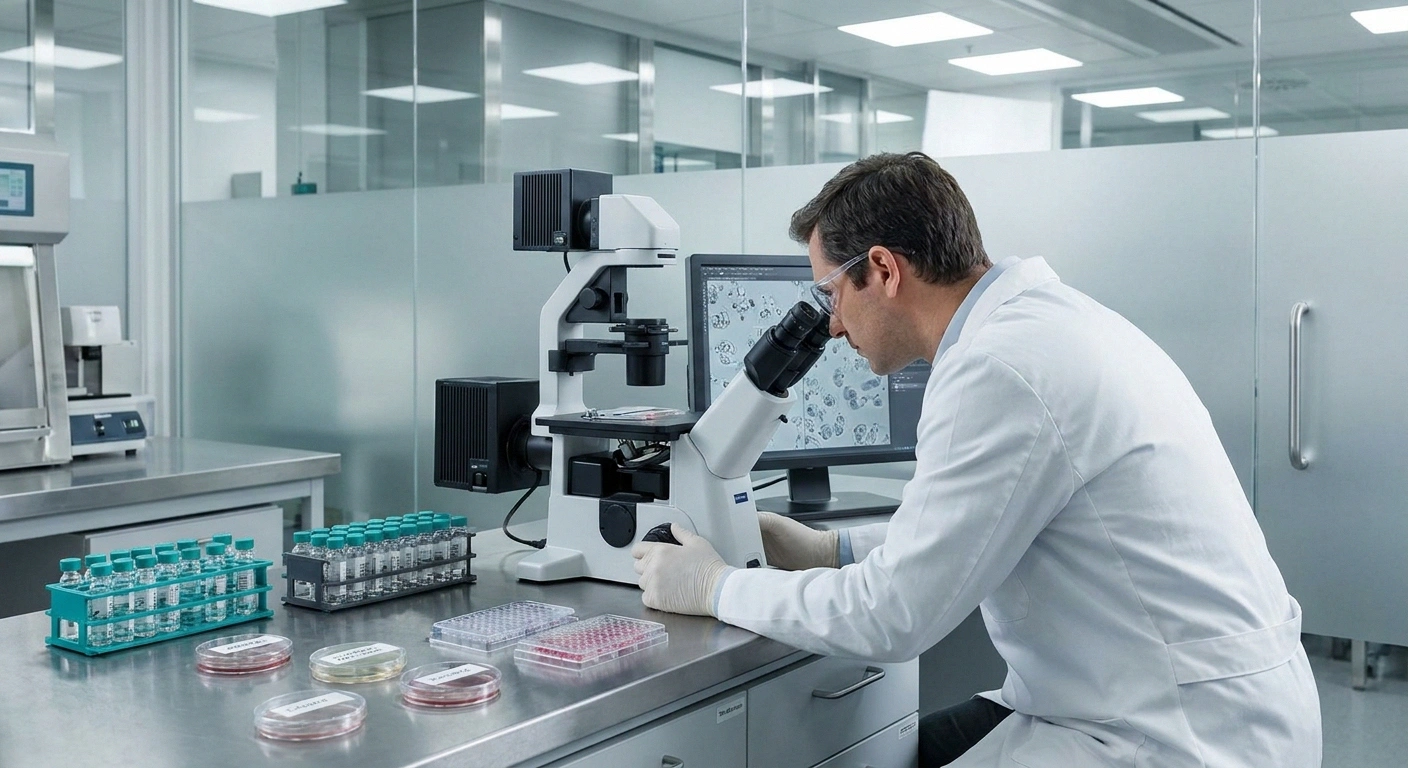
Not all stem cell approaches for neuropathy are the same. Researchers are exploring several different cell types, each with different properties, sources, and challenges:
Mesenchymal Stem Cells (MSCs)
MSCs are the most studied type for peripheral neuropathy. They can be harvested from bone marrow, adipose (fat) tissue, or umbilical cord tissue. MSCs are attractive because they have anti-inflammatory properties and secrete neurotrophic factors — signaling proteins that support nerve cell survival and function. They appear to work more by creating a favorable environment for nerve repair than by directly transforming into nerve cells themselves.
Bone Marrow Mononuclear Cells (BM-MNCs)
A mixed population of cells harvested from bone marrow that includes MSCs along with other cell types. Used in several diabetic neuropathy trials, sometimes in combination with MSCs.
Induced Pluripotent Stem Cells (iPSCs)
These are regular adult cells (often skin cells) that have been genetically reprogrammed back to a stem-cell-like state. They can theoretically be derived from the patient's own cells, reducing the risk of immune rejection. iPSC-derived neural progenitor cells have been explored in laboratory models of neuropathy, but this approach is largely still preclinical.
Neural Stem Cells (NSCs)
Cells specifically derived from neural tissue, capable of differentiating into neurons, astrocytes, and other neural support cells. Promising in theory for nerve replacement, but very early stage for peripheral neuropathy applications.
What the Research Actually Shows

Let me walk you through the clinical evidence honestly — because the gap between what exists and what some clinics claim is enormous.
Diabetic peripheral neuropathy (DPN): most evidence
A 2024 systematic review and meta-analysis pooled results from 7 controlled trials of stem cell therapy in diabetic neuropathy. The pooled analysis showed significant improvements in nerve conduction velocity and sensory parameters in treated patients. This is a meaningful finding — nerve conduction velocity improvements reflect actual changes in how the nerves are functioning, not just subjective pain reports.
The most striking individual trial was a long-term randomized study that followed 97 patients for 8 years. Among patients who received MSC treatment, only 10.3% developed diabetic neuropathy compared to 48.3% in the control group. That's a dramatic difference — but it's one trial, conducted at a single center, that has not yet been independently replicated at the scale needed for regulatory approval.
Chemotherapy-induced neuropathy (CIPN): early stage
Research into stem cells for chemotherapy-induced peripheral neuropathy is growing, but human clinical data is very limited compared to DPN. One registered clinical trial (NCT05507697) is investigating MSC-based approaches for CIPN. More data is needed before meaningful conclusions can be drawn.
Overall honest assessment: The science is genuinely interesting. Early results are encouraging. But the research is not at the stage where we can say “stem cell therapy works for neuropathy” — the trials are small, heterogeneous, and mostly conducted outside the U.S. The next several years of clinical trial data will be critical.
If you want to follow the legitimate research pipeline, check how to find and evaluate neuropathy clinical trials — enrolling in a legitimate trial is actually the best way to access experimental treatments safely.
The FDA Situation: What You Must Understand

Here is the clearest possible statement of where things stand legally and regulatorily in the United States:
No stem cell therapy is FDA-approved for any form of neuropathy.
The only FDA-approved stem cell products are hematopoietic (blood-forming) cells for certain blood disorders and immune conditions. Everything else — including the MSC injections offered at stem cell clinics for neuropathy — falls outside the scope of approved treatments.
The FDA has issued explicit guidance on this. Their consumer information page warns that many products marketed as “stem cell therapies” have not undergone the clinical trials required to demonstrate safety and efficacy. The FDA has taken enforcement action against clinics marketing unapproved cellular products — and has documented serious adverse events including blindness and severe infections in patients who received these treatments.
One particularly important warning from the FDA concerns “umbilical cord-derived stem cell” products, which are aggressively marketed online and at some clinics. The FDA notes that when independent labs have tested these products, many contain no living stem cells at all. Patients are paying thousands of dollars for what may be essentially saline with cellular debris.
Proposed Mechanisms: How Might This Work?
The scientific rationale for stem cell therapy in neuropathy is genuinely plausible — and understanding it helps explain why researchers are excited even while the clinical evidence is still developing.
The primary proposed mechanisms include:
- Neurotrophic factor secretion: MSCs secrete nerve growth factor (NGF), brain-derived neurotrophic factor (BDNF), and other molecules that support nerve cell survival and function. Essentially, they create a more supportive environment for damaged nerves.
- Anti-inflammatory effects: MSCs can modulate immune responses and reduce the inflammatory cytokine environment that drives nerve damage in autoimmune and metabolic neuropathies.
- Improved microvascular blood supply: Some research suggests that stem cells may promote the formation of new small blood vessels (angiogenesis) that improve blood supply to nerve tissue — a potential benefit in diabetic neuropathy, where poor circulation contributes to nerve damage.
- Direct neural differentiation: A smaller component of the theoretical benefit involves stem cells actually differentiating into neural support cells. This is less well-established than the paracrine (secretory) effects described above.
These mechanisms are studied in the context of broader nerve regeneration and healing research, which encompasses multiple emerging approaches including growth factor therapy, gene therapy, and biomaterial scaffolds.
How Stem Cell Therapy Compares to Other Emerging Treatments
Stem cell therapy is one of several experimental approaches being explored for neuropathy. For perspective, here's where it sits relative to other treatments at the research frontier:
PRP (platelet-rich plasma) therapy is further along in some respects — it's being used in clinical practice (though not FDA-approved specifically for neuropathy), is less expensive, and the safety profile is better established. Both PRP and stem cell therapy fall under the broader “regenerative medicine” umbrella.
Scrambler therapy and spinal cord stimulation are further along in clinical evidence than stem cell therapy, with more established patient populations and longer safety records, though they address pain rather than the underlying nerve damage.
Peripheral nerve stimulation is another neuromodulation approach with a growing evidence base.
None of these make stem cell therapy less interesting — but context matters when evaluating where your time, money, and hope are best invested.
The Predatory Clinic Problem: A Real and Serious Risk

I want to spend real time on this because I genuinely believe it could protect someone reading this article from serious harm.
Stem cell clinics have proliferated rapidly in the United States over the past decade. A study that analyzed 68 stem cell clinic websites found that 90% claimed their treatments were safe, and 15% explicitly stated there was “no risk.” These claims are not supported by evidence and, in some cases, directly contradict documented adverse events.
The risks of unregulated stem cell treatments are not hypothetical. The FDA has received reports of:
- Blindness following stem cell injections near the eye
- Severe infections including meningitis
- Graft-versus-host disease
- Tumor formation
- Death
Costs are typically $5,000–$20,000 or more, always out-of-pocket. Insurance does not cover unapproved treatments.
Red flags that indicate a predatory or scientifically irresponsible clinic:
- Claims that their stem cell treatment is FDA-approved (it isn't)
- Guarantees of results or “no risk” language
- Testimonials as the primary evidence offered
- No published clinical trial data associated with their specific protocol
- Marketing “umbilical cord stem cells” as a treatment
- No requirement for a thorough medical evaluation before treatment
- High-pressure sales tactics or limited-time offers
The legitimate path to stem cell therapy for neuropathy runs through registered clinical trials. ClinicalTrials.gov lists all active research studies, including those for stem cell therapy in neuropathy. Participating in a trial means you receive the treatment in a monitored, protocol-driven setting, with appropriate oversight and often at no cost. You also contribute to the science that could eventually make this therapy available to everyone.
Who Might Be a Candidate for Clinical Trial Participation?

If you're interested in the legitimate research side of stem cell therapy, clinical trial eligibility typically requires:
- A confirmed neuropathy diagnosis (electrodiagnostic testing, clinical evaluation)
- Specific neuropathy type that matches the trial's focus (usually DPN or CIPN)
- Documented inadequate response to conventional treatments
- Absence of specific exclusion criteria (certain other medical conditions, medications)
- Ability to attend follow-up visits at the research center
Talking to your neurologist or primary care physician about clinical trial eligibility is the appropriate first step. Major academic medical centers and teaching hospitals are the most likely settings for legitimate stem cell research in neuropathy.
The Honest Bottom Line
Stem cell therapy for neuropathy sits in a genuinely interesting position: the science has enough plausibility and early promise to justify continued research, but not enough established evidence to justify the cost and risk of unregulated commercial treatments.
The 2024 meta-analysis showing improvements in nerve conduction, the 8-year RCT with striking DPN prevention results, the active clinical trials — these are real signals worth watching. The field may look very different in five to ten years.
But the clinics charging $10,000–$20,000 for injections with no trial registration, no published data, and “no risk” guarantees are not part of that legitimate scientific progress. They're exploiting hope — one of our most valuable and vulnerable resources.
For now, the best approach is to stay informed through reliable sources, discuss emerging treatments with your neurologist, and consider clinical trial participation if you're eligible and interested. That's how the science gets done, and that's how we eventually get to treatments that actually work.
FAQ: Stem Cell Therapy for Neuropathy
Is stem cell therapy FDA-approved for neuropathy?
No. As of 2026, no stem cell therapy is FDA-approved for any type of peripheral neuropathy. The only FDA-approved stem cell products are for certain blood and immune disorders. Clinics that claim FDA approval for their neuropathy stem cell treatments are making false claims. The FDA has taken enforcement action against such clinics and warns consumers about the risks of unapproved cellular therapies.
What does the research show about stem cells for neuropathy?
Early research is encouraging but not conclusive. A 2024 systematic review of 7 controlled trials found significant improvements in nerve conduction velocity and sensory measures in diabetic neuropathy patients treated with stem cells. An 8-year randomized trial found that only 10.3% of MSC-treated patients developed diabetic neuropathy compared to 48.3% in controls. However, most trials are small, conducted at single centers, and have not yet been independently replicated at the scale required for regulatory approval.
How much does stem cell therapy for neuropathy cost?
Commercial stem cell treatments at unregulated clinics typically range from $5,000 to $20,000 or more per session, all paid out of pocket. Insurance does not cover unapproved treatments. Legitimate clinical trials typically provide the experimental treatment at no cost to participants, which is one of several reasons why trial participation is the recommended path for interested patients.
What are the risks of stem cell therapy for neuropathy?
Known risks of unregulated stem cell treatments include severe infection (including meningitis), tumor formation, immune reactions, unintended cell migration to other tissues, and in rare cases blindness or death. The FDA has documented serious adverse events from unregulated clinics. Legitimate clinical trials have strict safety monitoring protocols to minimize these risks and detect problems early.
How can I find legitimate stem cell clinical trials for neuropathy?
ClinicalTrials.gov is the authoritative database of registered clinical trials in the United States and many other countries. Searching for terms like “peripheral neuropathy stem cells” or “diabetic neuropathy MSC” will show active and recruiting trials. Your neurologist can also help identify trials for which you might be eligible. Major academic medical centers and university hospitals are the most common trial locations.
What type of stem cells are used for neuropathy research?
Mesenchymal stem cells (MSCs) are the most studied for neuropathy, sourced from bone marrow, adipose tissue, or umbilical cord. Bone marrow mononuclear cells (BM-MNCs) have also been used in trials. Induced pluripotent stem cells (iPSCs) and neural stem cells are being investigated in preclinical models. The primary mechanism appears to be secretion of neurotrophic factors and anti-inflammatory signaling rather than direct transformation into nerve cells.
What are the warning signs of a predatory stem cell clinic?
Key warning signs include claims of FDA approval for their neuropathy treatment, no risk or guaranteed results language, reliance on testimonials instead of published trial data, marketing of umbilical cord stem cells as a curative treatment, no requirement for medical evaluation before proceeding, and high-pressure sales tactics. Legitimate research does not operate this way. The FDA maintains consumer guidance on identifying questionable stem cell products and clinics.
Will stem cell therapy for neuropathy be available in the future?
It is possible. The early research is promising enough that multiple clinical trials are actively underway. If ongoing trials confirm the safety and efficacy signals seen in early studies, the regulatory pathway toward approval could open within the next decade. The field is moving quickly, and results from current trials over the next three to five years will significantly clarify whether stem cell therapy has a legitimate clinical role in neuropathy treatment.
About the Author