
A reader named Frank wrote to me last winter with a story that bothered me long after I had answered him. Frank was 62, a retired plumber, and over the previous eight months he had developed a strange constellation of symptoms — abdominal cramping that came and went, fatigue he could not shake, a metallic taste in his mouth, and most worryingly, burning and weakness in his hands and feet that had progressed from “annoying” to “concerning.” His primary care doctor had run the usual neuropathy workup — A1C normal, B12 normal, thyroid normal — and shrugged. “Probably idiopathic,” she said. “Let's recheck in six months.”
Frank's son, who was a chemical engineer, was the one who asked the question that ended up mattering: had Frank ever been tested for heavy metals? Frank had spent forty years cutting and soldering old plumbing — including lead solder, which was the industry standard until the 1980s. He had also lived in a house built in 1948 with original lead-painted window frames and the original water-supply lines. A urine lead test came back at three times the upper reference limit. Frank's “idiopathic” neuropathy had a name and a cause.
Heavy metal neuropathy is rare but real. It is also one of the most overlooked causes of “unexplained” peripheral nerve damage in adults — and unlike many other neuropathy causes, it is potentially reversible if caught and treated early enough. This article is for the reader who has had unrevealing standard workups, the reader who has had occupational exposures they may not have thought about, and the reader who lives in an environment where these exposures are quietly possible.
The Big Three: Lead, Arsenic, and Mercury
When neurologists talk about heavy metal neuropathy, three metals account for the great majority of clinically meaningful cases. Each has its own exposure pattern, its own clinical pattern, and its own treatment approach. Knowing which one is involved makes a real difference.
Lead. The most common, the most chronic, and the most often missed. Lead exposure is typically slow and cumulative — months to years of low-level exposure that builds up in bone and silently produces a predominantly motor neuropathy. Adults who develop lead neuropathy are usually exposed through occupation (plumbing, painting, battery work, indoor firing ranges, traditional pottery, metal refining, some construction trades), or through environment (old lead paint dust, old plumbing, contaminated soil, certain imported cosmetics, certain folk remedies and herbal preparations from regions where contamination is common).
Arsenic. The most aggressive and often dramatic in presentation. Arsenic exposure is usually environmental (well water in certain geographic regions, contaminated soil, some pressure-treated wood from before 2004, certain herbal preparations), occupational (mining, smelting, certain pesticide applications, semiconductor manufacturing), or in rare cases deliberate poisoning. Acute arsenic poisoning causes a rapidly progressive sensorimotor neuropathy that resembles Guillain-Barré syndrome. Chronic exposure produces a slower, length-dependent sensorimotor neuropathy with characteristic skin changes.
Mercury. The least common neuropathy cause of the three but still important. Mercury exposure is typically occupational (dental amalgam manufacturing in older practices, gold mining, chlor-alkali industry, fluorescent bulb manufacturing) or dietary (high-mercury fish consumption, particularly in pregnant women and young children). Inorganic mercury and methylmercury produce different patterns — inorganic mercury more often affects motor function and produces tremor, while methylmercury affects sensory function and balance.
Other heavy metals — thallium, manganese, gold, bismuth — can cause neuropathy in specific situations, but they are rare enough that most providers will not consider them without clear exposure history. This article focuses on the three that matter most.
Why Heavy Metals Damage Nerves
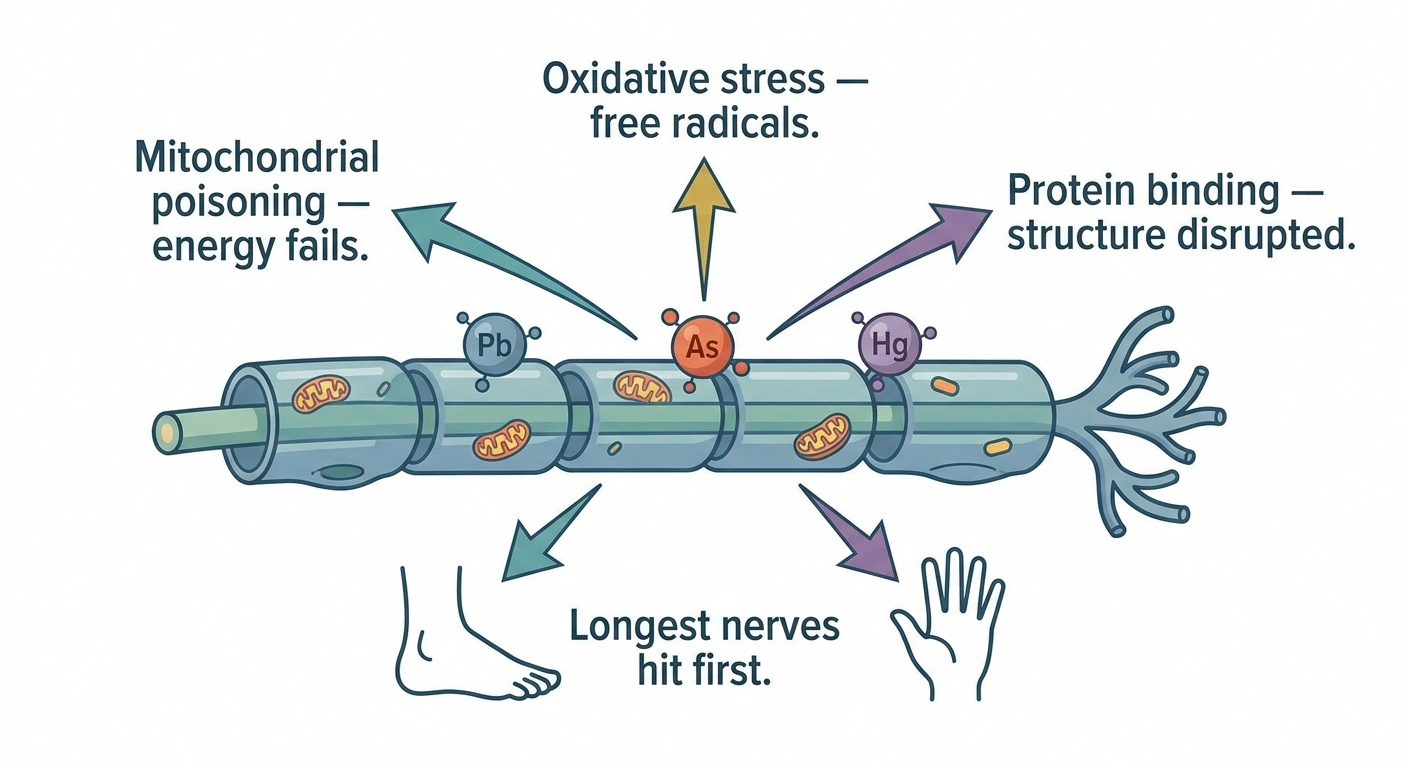
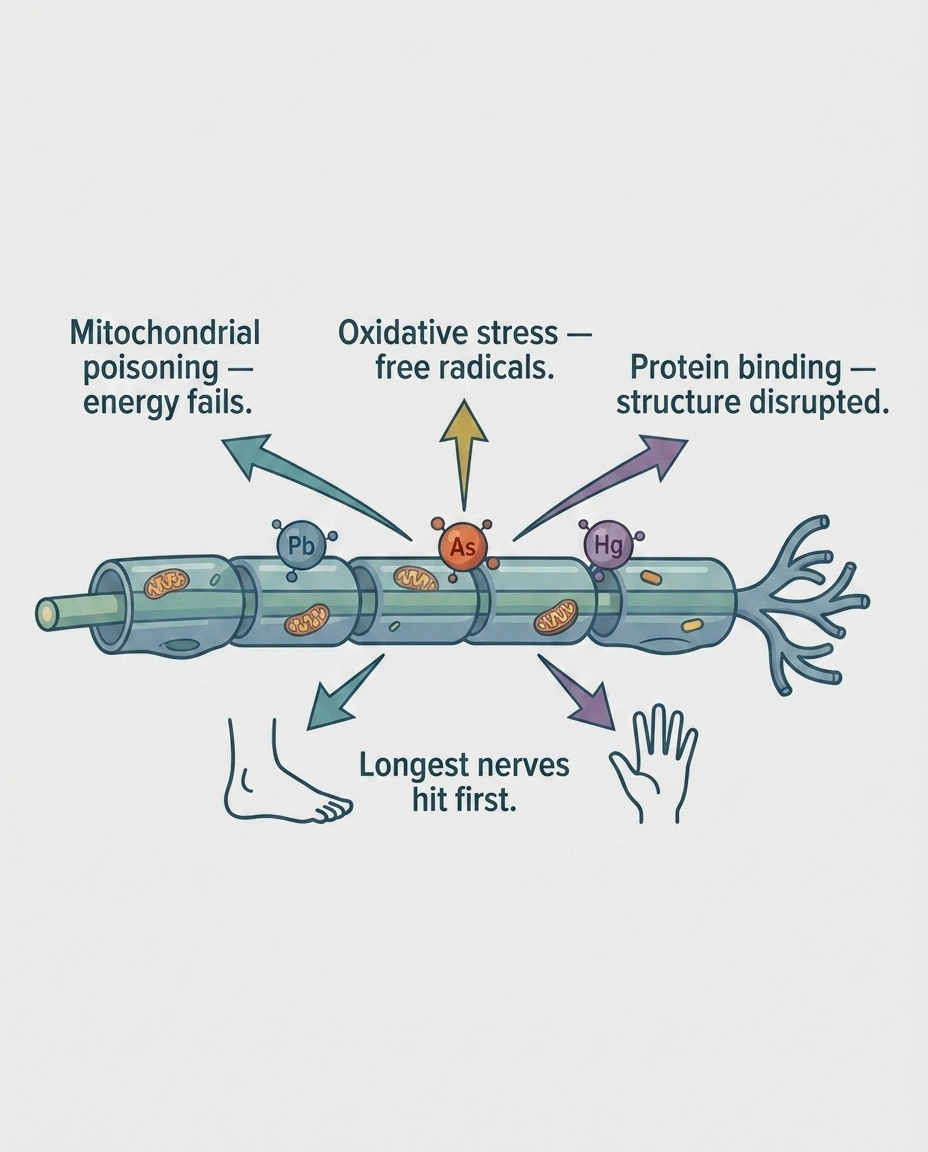
Each metal has its own toxic mechanism, but they share common ground. Heavy metals are reactive — they bind to sulfur-containing molecules in cells, particularly to the enzymes and structural proteins that nerves depend on for normal function. The result is a combination of mitochondrial poisoning (the energy machinery of the nerve breaks down), oxidative damage (toxic free radicals accumulate), and direct disruption of the cellular machinery that maintains the long axons of peripheral nerves.
Common sources: Old paint, plumbing, batteries, soldering, ammunition, traditional remedies.
Key clue: Abdominal pain plus anemia.
Common sources: Well water, contaminated soil, certain pesticides, mining.
Key clue: Mees lines on nails + skin changes.
Common sources: Occupational, dental amalgam mfg, high-mercury fish.
Key clue: Tremor with mood changes.
The longest nerves are the most vulnerable, which is why heavy metal neuropathy almost always shows up first in the feet and hands. Sensory fibers are usually affected before motor fibers — but as exposure continues or worsens, motor involvement becomes more prominent. In severe cases, autonomic nerves are also affected, producing blood pressure swings, gut problems, and sweating abnormalities.
What makes heavy metal neuropathy distinct from many other causes is that the damage continues for as long as the metal remains in the body. Lead, in particular, stores in bone for decades and slowly releases back into circulation. Even after the exposure stops, the burden of metal continues to do harm. Treatment is partly about removing the active source and partly about pulling metal out of storage.
The Symptom Patterns That Suggest Heavy Metal Exposure
Heavy metal neuropathy can look like many other neuropathies, which is one reason it gets missed. Certain clinical features, however, should raise the question.
Lead Neuropathy Features
The textbook presentation of adult lead neuropathy is wrist drop — weakness of the muscles that extend the wrist and fingers, often more on one side than the other. The classic “Saturday night palsy” position with the wrist drooping. This pattern is distinctive enough that any adult presenting with predominant motor weakness in the upper extremities should have lead considered.
Other clues to lead exposure:
- A metallic or sweet taste in the mouth
- Abdominal pain (“lead colic”) — diffuse, crampy, often misdiagnosed as IBS or anxiety
- Fatigue, irritability, mood changes, difficulty concentrating
- Anemia, particularly with basophilic stippling of red blood cells on smear
- Pallor with a slight gray tint to the gums (rare, but classic if seen)
- Constipation
- In severe cases, kidney problems and high blood pressure
The combination of abdominal pain, anemia, and a motor-predominant neuropathy with wrist drop should immediately trigger a lead test. So should any neuropathy in someone with relevant occupational or environmental exposure.
Arsenic Neuropathy Features
Acute arsenic poisoning causes a rapidly progressive sensorimotor neuropathy that often mimics Guillain-Barré syndrome — ascending weakness, sensory loss, and sometimes respiratory involvement. The clue is usually the constellation of accompanying symptoms:
- Gastrointestinal: severe vomiting and diarrhea early in the exposure, often with garlic-smelling breath
- Skin changes: Mees lines (transverse white lines across fingernails appearing weeks after exposure), hyperpigmentation, hyperkeratosis on palms and soles
- Hair loss, often patchy
- Liver enzyme abnormalities
- Sometimes cardiac arrhythmias
Chronic low-level arsenic exposure (typically from contaminated well water) produces a slower, length-dependent burning and numbness in the feet that progresses to the hands. Skin changes — particularly hyperkeratosis on the palms and soles, and patches of darkened or lightened skin — often appear alongside or before the neuropathy and are a key diagnostic clue.
Mercury Neuropathy Features
Mercury neuropathy patterns depend on the form:
Inorganic mercury (elemental mercury vapor or mercury salts) primarily affects the central nervous system but also causes a fine tremor, irritability, mood changes, and a peripheral neuropathy. The tremor is often the first noticed symptom — initially a fine tremor of the fingers that progresses to a coarser intention tremor.
Methylmercury (the form in some fish and shellfish) primarily affects the cerebellum, the visual cortex, and sensory nerves. Patients develop ataxia, constricted visual fields, and a glove-and-stocking sensory neuropathy with prominent balance problems.
Mercury exposure clues include occupational history, ethnic or cultural folk remedy use (some traditional preparations contain inorganic mercury), and heavy fish consumption (particularly tuna, swordfish, shark, king mackerel, tilefish).
Who Should Be Tested

Testing for heavy metals is not part of the routine neuropathy workup, which is part of why these cases get missed. Most providers will only order the test if specifically prompted. So the practical question is: when should you push for testing?
Strong indications:
- “Idiopathic” neuropathy after a thorough standard workup
- Occupational exposure history — any work that involves metals, batteries, soldering, plumbing, painting, ammunition, mining, smelting, or pesticides
- Living in a house built before 1978 (lead paint) or with old plumbing
- Well water as a primary water source, particularly in regions with known arsenic contamination (parts of the American Southwest, Bangladesh, West Bengal, parts of South America)
- Use of traditional or imported folk remedies, herbal preparations, or cosmetics (some are contaminated with lead or mercury)
- Predominant motor neuropathy in the upper extremities (think lead)
- Rapidly progressive sensorimotor neuropathy with GI symptoms and skin changes (think arsenic)
- Tremor combined with neuropathy and mood changes (think mercury)
- Mees lines on fingernails (think arsenic)
- Abdominal pain with anemia and neuropathy (think lead)
If any of these apply, ask your doctor directly: “Could we test for heavy metals — specifically lead, arsenic, and mercury?” Be prepared to provide your exposure history. Most providers will order the tests if you ask.
How Heavy Metal Testing Actually Works
The right test depends on the metal and the question. Here is the practical landscape:
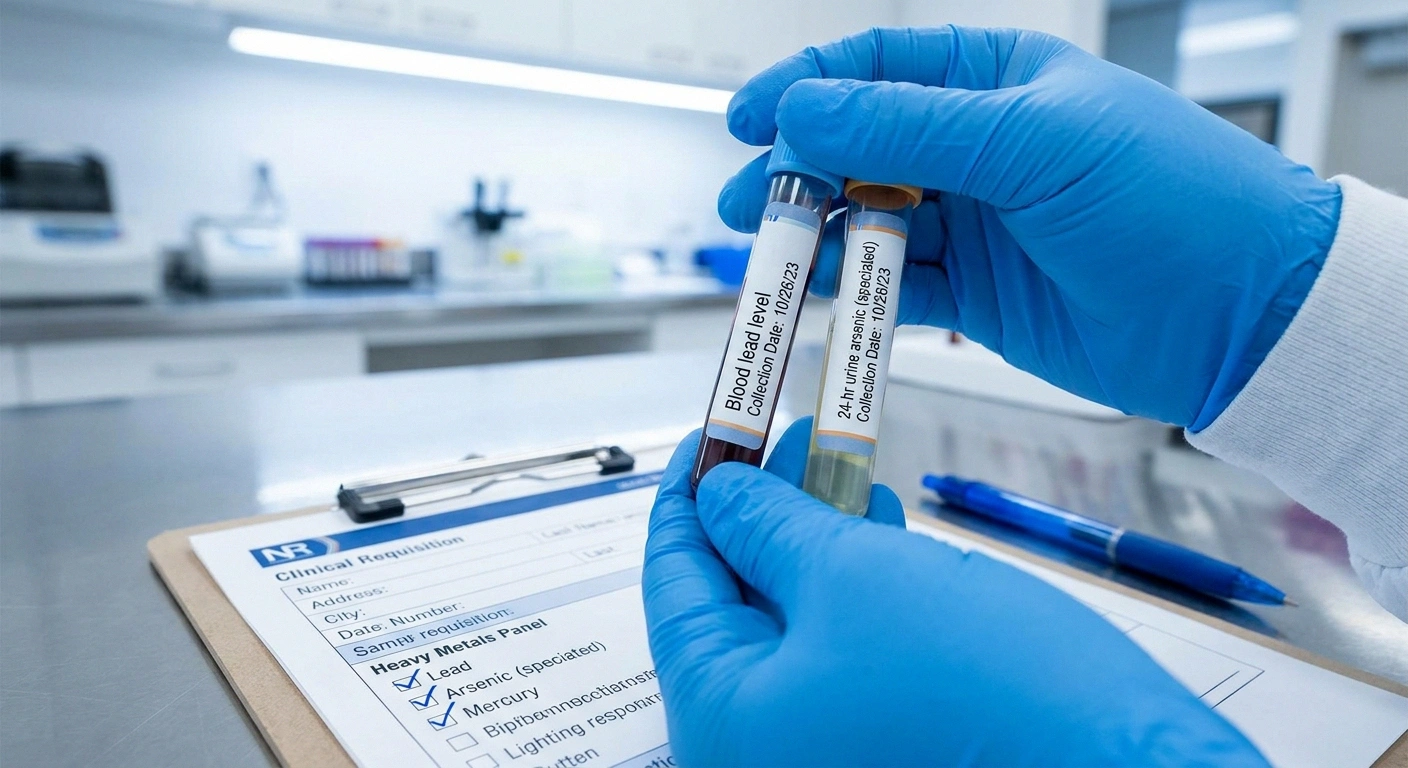
Blood lead level. The standard screening test for current exposure. A whole-blood lead level reflects recent and ongoing exposure. Adult reference levels in the US have come down dramatically over the past two decades — levels above 5 μg/dL are now considered elevated, and any level above 10 μg/dL warrants action. Be aware that blood lead can be normal in someone with significant body burden from past exposure, because lead is sequestered in bone.
24-hour urine lead with chelation challenge. Used when chronic lead exposure is suspected but blood lead is borderline. A chelating agent is given that pulls lead out of bone storage; urine lead is then measured. This test should be done by clinicians experienced with chelation, and only in clear clinical contexts — the chelation itself moves lead around and can transiently worsen symptoms.
Bone lead measurement (XRF). The gold standard for cumulative body burden, but available only at a few research centers. Not routinely needed for clinical management.
Urine arsenic. Standard test for arsenic exposure. Best done as a 24-hour collection. Important caveat: organic arsenic from seafood is non-toxic but elevates urine arsenic for several days. Most labs now run a speciated test that distinguishes toxic inorganic and methylated forms from harmless seafood arsenic. Ask for the speciated test specifically. Avoid all seafood for at least 48-72 hours before the collection.
Urine mercury. Standard test for inorganic mercury exposure. Methylmercury (the fish form) does not show up as well in urine — for suspected methylmercury exposure, whole-blood mercury is the better test.
Hair analysis. Marketed by some labs but limited clinical utility. Reflects past exposure but is affected by external contamination, hair treatments, and dietary mercury from fish. Most academic centers do not consider hair testing reliable for clinical decisions.
Provoked urine testing (post-chelation). A common practice in alternative medicine but rejected by most academic toxicologists. It produces artificially elevated levels in normal people and is not validated for diagnosing low-level body burden. Be skeptical of practitioners who rely on this test to diagnose toxicity.
The single most important thing to know about heavy metal testing: ordering the right test in the right person is more important than ordering many tests indiscriminately. Work with someone who knows what they are doing. Occupational medicine doctors, medical toxicologists, and academic neurologists are usually the most reliable consultants.
Treatment — Removing Exposure and Removing the Metal
Treatment of heavy metal neuropathy has two parts: stopping the exposure and removing the metal from the body. Both matter.
Step One: Find and Remove the Source
Treatment cannot succeed if exposure continues. This is sometimes the hardest part — sources can be subtle, ongoing, and require expertise to identify.
For lead: assess workplace exposures, old home paint and plumbing, hobby exposures (ammunition, fishing weights, stained glass), traditional remedies and cosmetics, contaminated soil. An industrial hygienist or your state department of health can help with environmental assessment. The CDC and EPA have resources on lead source identification.
For arsenic: test your water if you are on a private well. Most arsenic exposure in the US comes through drinking water. Whole-house treatment (reverse osmosis at a minimum, sometimes more aggressive options) addresses contaminated supplies. Stop using any old pressure-treated wood for cutting boards, gardening, or anywhere food contact occurs.
For mercury: clean up any mercury spills in the home (broken thermometers, fluorescent bulbs) by ventilating thoroughly and using appropriate cleanup procedures, not vacuums. Reduce high-mercury fish intake. Address occupational sources with industrial hygiene support.
For any of these: stop using any unregulated herbal preparations, traditional medicines, cosmetics, or supplements from sources that do not provide rigorous testing. Heavy metal contamination is common in these products.
Step Two: Chelation Therapy (When Indicated)
Chelation therapy uses a medication that binds to the metal and helps it pass out of the body in urine. This is appropriate for significant lead, arsenic, or mercury body burden but is not appropriate for trivial exposure or for general “detox” purposes.
The standard chelating agents:
- Succimer (DMSA, Chemet). Oral chelator. First-line for moderate adult lead exposure and chronic arsenic exposure. Generally well tolerated.
- EDTA (calcium disodium EDTA). Intravenous chelator used for severe lead exposure. Requires medical monitoring.
- Dimercaprol (BAL). Intramuscular chelator used for acute severe arsenic or mercury poisoning. Has significant side effects and is reserved for emergencies.
- D-penicillamine. Older oral chelator, used less often now but still occasionally for specific situations.
Chelation should be done by clinicians experienced with these medications. Improper chelation can worsen symptoms, redistribute metals to more sensitive tissues, and cause its own toxicities. Avoid practitioners who recommend chelation for low-level exposure or for non-toxicology indications.
Step Three: Supportive Care for the Neuropathy
While the body recovers, the nerve damage itself needs management. Strategies include:
- Standard neuropathic pain medications like gabapentin, pregabalin, or duloxetine for symptomatic relief
- Physical therapy to maintain strength and balance as recovery occurs
- Nutritional support including B vitamins and antioxidants that support nerve repair
- Bracing for foot drop or wrist drop while nerve recovery is in progress
- Mental health support — the diagnosis of heavy metal poisoning is psychologically heavy, particularly if there is occupational liability or workers' compensation involved
How Recoverable Is Heavy Metal Neuropathy?

Honest answer: it depends on what metal, how much, how long, and how early treatment starts.
For lead neuropathy caught early and treated with source removal plus chelation, substantial recovery is common — though not always complete. Wrist drop often improves but may leave residual weakness if exposure was prolonged. Sensory symptoms typically recover better than motor symptoms.
For acute arsenic neuropathy treated promptly, recovery can be remarkable — but if treatment is delayed, axonal damage may leave permanent deficits. Chronic arsenic neuropathy often improves with source removal alone (water treatment), but recovery is slow.
For mercury neuropathy, the central nervous system effects are typically more persistent than the peripheral effects. Some patients have lasting cerebellar or visual symptoms even after mercury is cleared.
The general rule: early detection and prompt treatment vastly improve outcomes. Years of unrecognized exposure leaves permanent damage that even aggressive treatment cannot fully reverse. This is why the diagnosis matters so much — every month of unrecognized exposure is more cumulative harm.
Prevention — The Most Underrated Strategy
For anyone with potential ongoing exposure, prevention is more valuable than any treatment. Some practical steps:
Test your water if you are on a private well. Most state health departments offer affordable water testing. Test for arsenic, lead, nitrates, bacteria, and any contaminants of regional concern. Re-test every few years.
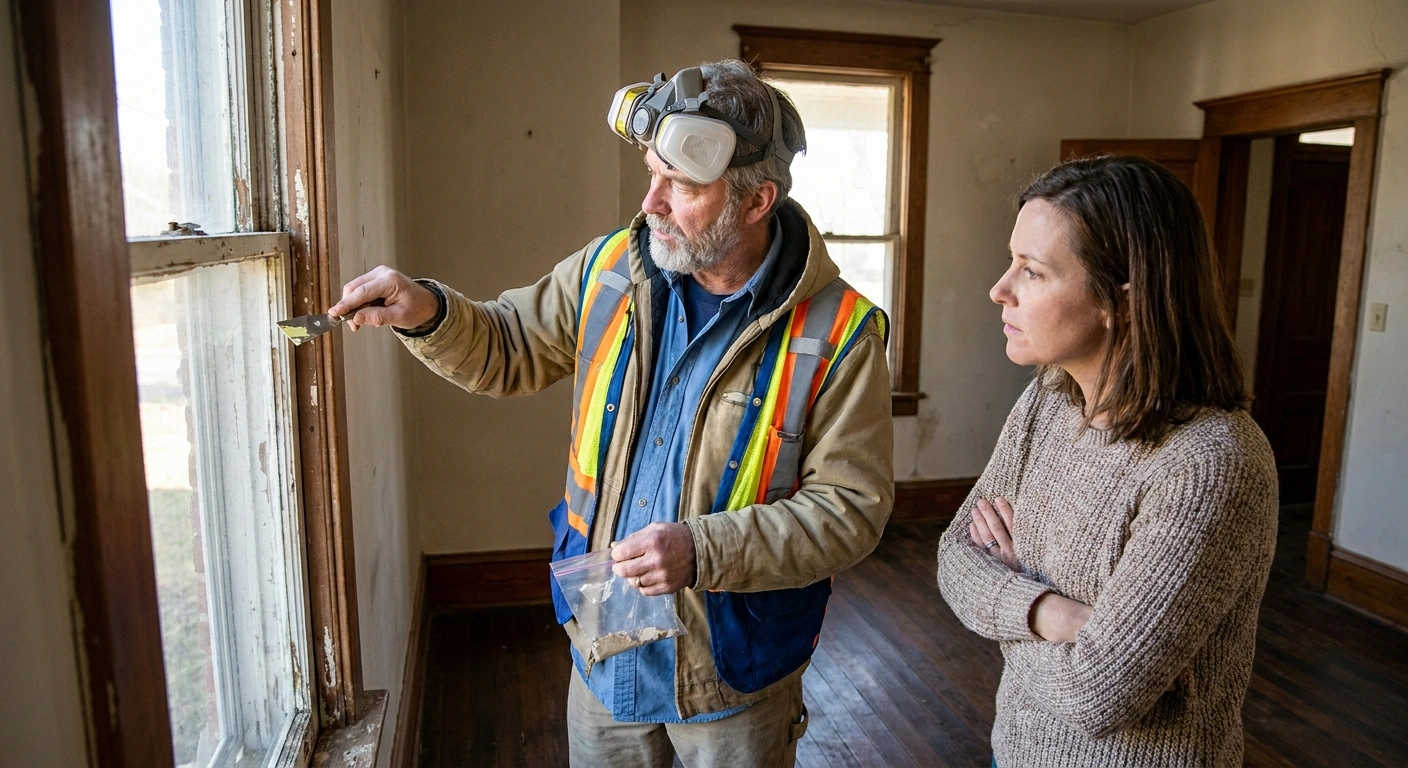
If your house was built before 1978, assume lead until proven otherwise. Lead paint, lead plumbing, lead solder in copper joints, and lead-contaminated dust are all common. A lead-safe certified professional can assess and remediate. Do not sand or scrape old paint without proper containment.
If you have occupational exposure, take it seriously. Wear appropriate respiratory protection. Change clothes before going home. Shower before family contact. Have your exposure monitored. Push for safe work practices on the job.
Limit high-mercury fish. Tuna (especially albacore and bigeye), swordfish, shark, king mackerel, tilefish, and orange roughy are the main concerns. Lower-mercury alternatives include salmon, sardines, anchovies, trout, and most shellfish.
Be wary of imported folk remedies, traditional medicines, and cosmetics. Many have been found to contain dangerous levels of lead, mercury, or arsenic. If you use these products, request third-party testing data — and ideally, avoid them unless you can verify safety.
Wash hands frequently if you garden in older urban soil. Lead from decades of automobile exhaust and paint chips often persists in urban garden soil. Have soil tested if growing food. Add clean compost and mulch.
Replace older brass plumbing fittings if your home water lead tests elevated. Even modern brass can contain trace lead.
The Bigger Picture: Why This Matters

Heavy metal neuropathy is not common, but it is far from rare. Public health surveys consistently find pockets of population with elevated lead, arsenic, or mercury exposures — sometimes in occupational groups, sometimes in geographic regions, sometimes in households that share a contaminated water source.
What makes these cases tragic is that most of them are preventable. They are also among the few neuropathies where the underlying cause is removable, and the nerves can sometimes recover substantially. The window of opportunity is wider than it feels in the moment of diagnosis.
For the reader who has been told their neuropathy is “idiopathic” after a standard workup — and especially if any of the exposure scenarios above apply — pushing for heavy metal testing is one of the highest-value diagnostic moves you can make. The test is inexpensive. The downside of a negative result is small. The upside of catching a treatable cause is enormous.
Frank, by the way, recovered most of his function. After chelation therapy and aggressive source removal — old solder and plumbing in his house were replaced, and he stopped doing volunteer plumbing work for his church — his blood lead came down to acceptable levels over six months, his abdominal pain resolved, and his hand and foot symptoms improved substantially. He has residual mild numbness in his toes that may never fully resolve. But he is functional, walking, and very glad his son thought to ask the question.
Frequently Asked Questions
Should I get tested for heavy metals just to be safe? Not as a routine screening for an asymptomatic person without exposure history. The tests can produce confusing results, and false reassurance or false alarm both have costs. Test if you have unexplained neuropathy, relevant exposure history, or a constellation of symptoms suggestive of heavy metal toxicity. Otherwise, focus on prevention.
Do silver dental fillings cause mercury poisoning and neuropathy? The mainstream scientific consensus is that intact dental amalgam fillings do not cause clinically significant mercury exposure in most people. However, drilling them out without appropriate precautions can release substantial mercury. If you want to remove amalgams, work with a dentist trained in safe removal protocols, not with a “biological dentist” promising vague detoxification benefits.
What about heavy metals in chocolate, rice, and other foods? Some foods do contain trace heavy metals — particularly cadmium and lead in dark chocolate, and arsenic in rice. The levels are generally low enough that occasional consumption is not a meaningful neuropathy risk. Diversify your diet, vary the rice you eat (basmati and white rice are generally lower in arsenic than brown rice), and rinse rice thoroughly before cooking. Do not obsess over trace levels — focus on identifying and eliminating large exposure sources.
Can heavy metals cause Alzheimer's or Parkinson's? Heavy metal exposure has been studied as a risk factor for several neurodegenerative diseases. The evidence for any specific causal role is mixed. What is clearer is that high-level heavy metal exposure causes cognitive and neurological symptoms in their own right, which can resemble or accelerate neurodegenerative disease. Treating the heavy metal burden does not cure Alzheimer's or Parkinson's, but it removes one potential aggravator.
Are chelation chambers and EDTA infusions safe to do for general health? Chelation is a medical treatment for diagnosed heavy metal toxicity, not a wellness intervention. Routine EDTA infusions for “detoxification” in healthy people have not been shown to improve outcomes and can cause side effects including kidney injury, low calcium, and movement of metals into more sensitive tissues. Some practitioners promote chelation aggressively for unproven indications. Be cautious.
How long does chelation take? A standard course of oral DMSA for lead is 19 days, often repeated based on response. Severe acute poisoning may require weeks of intravenous chelation. The body's heavy metal burden continues to be removed naturally over months to years after chelation, particularly for lead stored in bone.
Will my neuropathy come back if I have ongoing low-level exposure? Yes, potentially. This is why ongoing source control matters. After chelation, monitoring metal levels every few months for the first year and then annually is reasonable. Any rise in levels signals continuing exposure that needs to be identified.
Should my family be tested if I have heavy metal poisoning? Yes, if you share an exposure source. Family members in the same household as someone with lead poisoning from old paint, contaminated water, or hobby exposure should be tested. Children are particularly vulnerable to lead at much lower exposure levels than adults. Pregnant women should always be tested if there is any household concern.
About the Author