Browse all our treatments and therapies guides for more articles like this one.
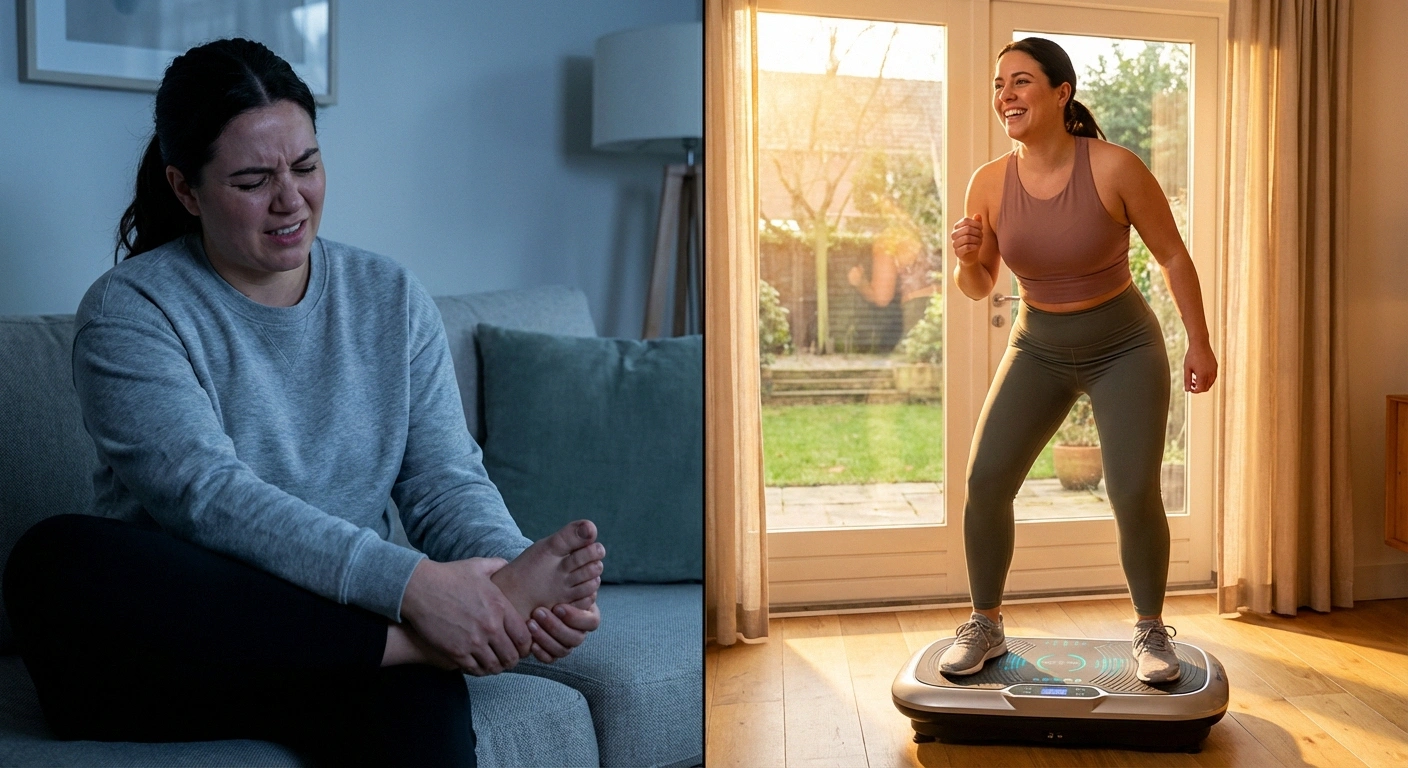
I still remember the first time someone in my support group mentioned vibration plates. Honestly, I was skeptical—it sounded like one of those late-night infomercial gadgets gathering dust in someone’s garage. But then three more people brought it up over the following months, each sharing how standing on a vibrating platform for just 10 minutes seemed to ease the burning in their feet. That got my attention.
Vibration therapy—whether delivered through a whole-body vibration plate or a localized device targeting the feet—is gaining traction as a non-invasive approach to managing peripheral neuropathy symptoms. And unlike many “miracle cures” that float around neuropathy communities, this one actually has some clinical research behind it. Let me walk you through what the science says, how it works, and whether it might be worth trying.
What Is Vibration Therapy?
Vibration therapy uses mechanical oscillations—rapid, rhythmic vibrations—to stimulate your muscles, nerves, and tissues. There are two main types used for neuropathy:
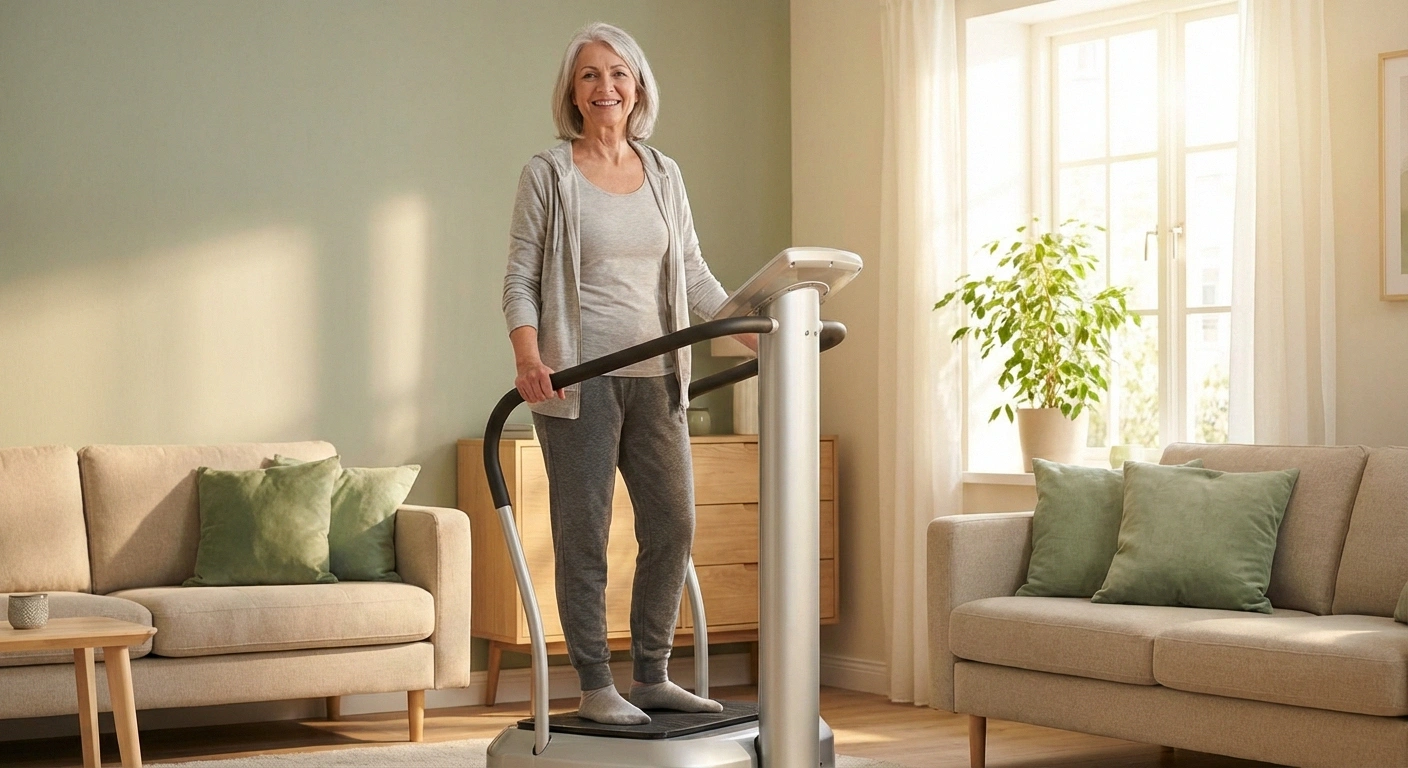
Whole-body vibration (WBV) involves standing or sitting on a vibrating platform. The vibrations travel up through your feet and legs, engaging muscles and stimulating sensory receptors throughout your lower body. Most clinical studies on neuropathy use this approach.
Localized vibration therapy targets a specific area—usually the soles of the feet for neuropathy. This can be delivered through specialized foot platforms or handheld devices like massage guns applied to the plantar surface of the feet.
Both approaches aim to accomplish similar things: stimulate nerve pathways, improve blood flow to damaged nerves, and potentially modulate pain signals. The difference is mainly in scope—whole-body vibration affects your entire lower body, while localized vibration zeroes in on one area.
How Vibration Therapy May Help Neuropathy
Vibration therapy doesn’t repair damaged nerves—no treatment currently can fully reverse nerve damage once it’s occurred. But it may help the nerves that remain work more effectively. Here’s how researchers believe it works:
Improved Blood Circulation
One of the most well-documented effects of vibration therapy is increased blood flow. The rapid muscle contractions triggered by vibration act like a pump, pushing blood through the microcirculation of muscles and skin. A 2021 study found that whole-body vibration therapy increased blood flow in the femoral artery by approximately four-fold during sessions.
Talk to Your Doctor First
If you have blood clots, active foot ulcers, cardiovascular conditions, implanted devices, or are pregnant, consult your healthcare provider before starting vibration therapy. Reduced sensation from neuropathy means you may not notice skin irritation — always check your feet after each session.
Why does this matter for neuropathy? Peripheral neuropathy often damages the small blood vessels that nourish nerves with oxygen and nutrients. Improving circulation may help deliver more oxygen to struggling nerve fibers, potentially slowing deterioration and supporting whatever healing capacity remains.
pain reduction reported in vibration therapy studies for neuropathy
Pain Signal Modulation (Gate Control Theory)
Vibration introduces non-painful sensory input that may compete with pain signals traveling to your brain. This aligns with the gate control theory of pain, which suggests that the spinal cord has a “gate” mechanism that controls which signals reach the brain. Strong non-painful stimuli—like vibration—may partially close that gate, reducing how much pain information gets through.
Think of it like this: if you bump your elbow and instinctively rub it, the rubbing sensation competes with the pain signal. Vibration works on a similar principle, just in a more sustained and targeted way.
Nerve and Sensory Receptor Stimulation
Vibration activates specialized sensory receptors called Pacinian corpuscles—pressure-sensitive nerve endings that respond to rapid changes in pressure. By repeatedly activating these receptors, vibration therapy may help “wake up” nerve pathways that have become sluggish due to neuropathy, potentially lowering the threshold at which you can feel sensation.
Balance and Proprioception Improvements
For many people with neuropathy, the loss of sensation in the feet leads to balance problems and an increased risk of falls. Vibration therapy challenges your balance system in a controlled way, stimulating the proprioceptive feedback loops between your feet and your brain. Several studies have documented improved balance scores and gait patterns after vibration therapy programs.
What the Research Actually Shows
Let me be upfront: the research on vibration therapy for neuropathy is promising but still limited. Most studies are small, and the evidence is considered low to moderate quality by systematic review standards. That said, the results are consistently positive across multiple studies—which is encouraging.
Here’s what the key clinical studies have found:
Pain Relief Lasted Weeks After Treatment
20 participants with diabetic neuropathy. WBV group showed significant pain reduction at 2 and 4 weeks — and benefits persisted 1–5 weeks post-treatment.
Multi-Measure Improvements
26 participants over 6 weeks. WBV group improved in pain, vibration perception, neuropathy scores, single-leg balance, and quality of life vs. control.
62.5% Pain Reduction in 5 Sessions
Single case study using plantar vibration at 62.5 Hz. Improved pain, sensation, skin temperature, and balance after just five 10-minute sessions.
Kessler et al. (2020) studied 20 participants with diabetic peripheral neuropathy. The WBV group (12 participants) did three sessions per week for four weeks, each session consisting of four 3-minute bouts with rest periods. The result: significant pain reduction compared to the sham group, measured on a visual analog scale. Most importantly, the pain reduction persisted for 1-5 weeks after treatment ended—suggesting lasting benefits beyond the immediate session.
Jamal et al. (2020) randomized 26 people with diabetic neuropathy into WBV and control groups. After six weeks of three-times-weekly sessions plus standard care, the WBV group showed improvements across multiple measures: reduced pain scores, improved vibration perception threshold, better neuropathy disability scores, improved single-leg balance, and better quality of life compared to the control group receiving standard care alone.
Lee (2017) studied 59 participants (29 WBV, 30 control) with type 2 diabetes and peripheral neuropathy. After six weeks of three-times-weekly sessions, the WBV group showed significant improvement in vibration perception threshold—meaning their ability to feel vibration improved. However, warm and cold pain thresholds didn’t significantly change.
A 2021 case report on localized plantar vibration used a different approach—applying vibration directly to the soles of the feet at 62.5 Hz for just 10 minutes per session across five sessions. The results were striking: a 62.5% reduction in pain severity, improved vibration threshold and protective sensation, increased skin temperature (indicating better blood flow), and improved balance scores. While this was only a single patient, it suggests localized vibration may be effective at higher frequencies and shorter treatment periods.
Robinson et al. (2018) conducted a systematic review of WBV studies for diabetic peripheral neuropathy. Across the pooled evidence, they found that intermittent WBV sessions of less than 15 minutes at 15-30 Hz reduced neuropathic pain scores by approximately 50% and improved balance. However, they rated the overall evidence quality as “very low to low”—not because the results were negative, but because the studies were small and methodological rigor varied.
Types of Vibration Devices for Neuropathy
If you’re considering vibration therapy, you have several options ranging from clinical-grade platforms to more affordable home devices:
Whole-Body Vibration Plates
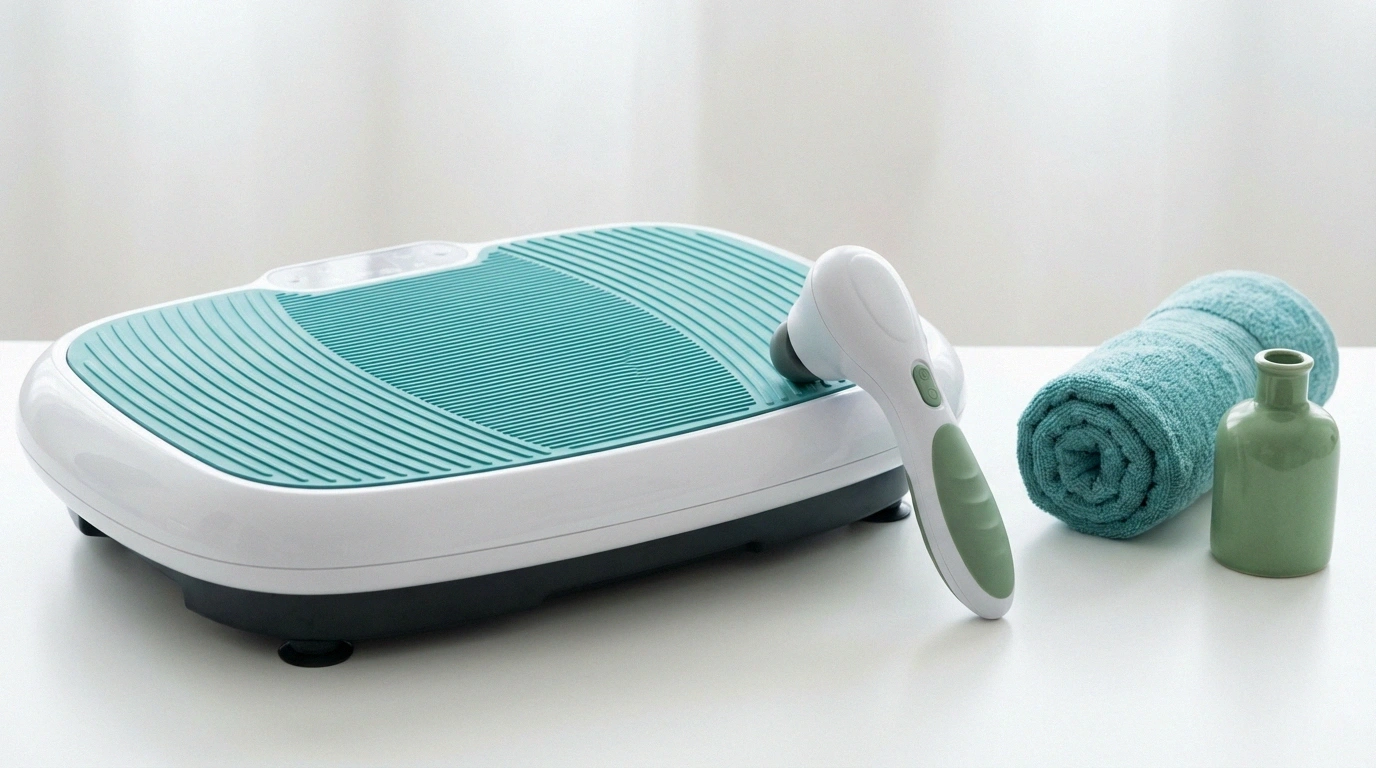
These are the platforms used in most clinical studies. You stand on the plate (holding onto a support bar if needed) while it vibrates at adjustable frequencies. Higher-end models from manufacturers like Power Plate and Hypervibe offer precise frequency control and can range from $500 to over $3,000. More affordable options from brands like LifePro start around $150-$300.
When choosing a vibration plate, look for:
- Frequency range of 15-40 Hz—this covers the range used in clinical studies
- Amplitude control—the ability to adjust how far the plate moves (1-5mm is typical for neuropathy use)
- Stability handles or bars—essential for people with balance issues
- Weight capacity appropriate for your needs
Foot-Specific Vibration Platforms
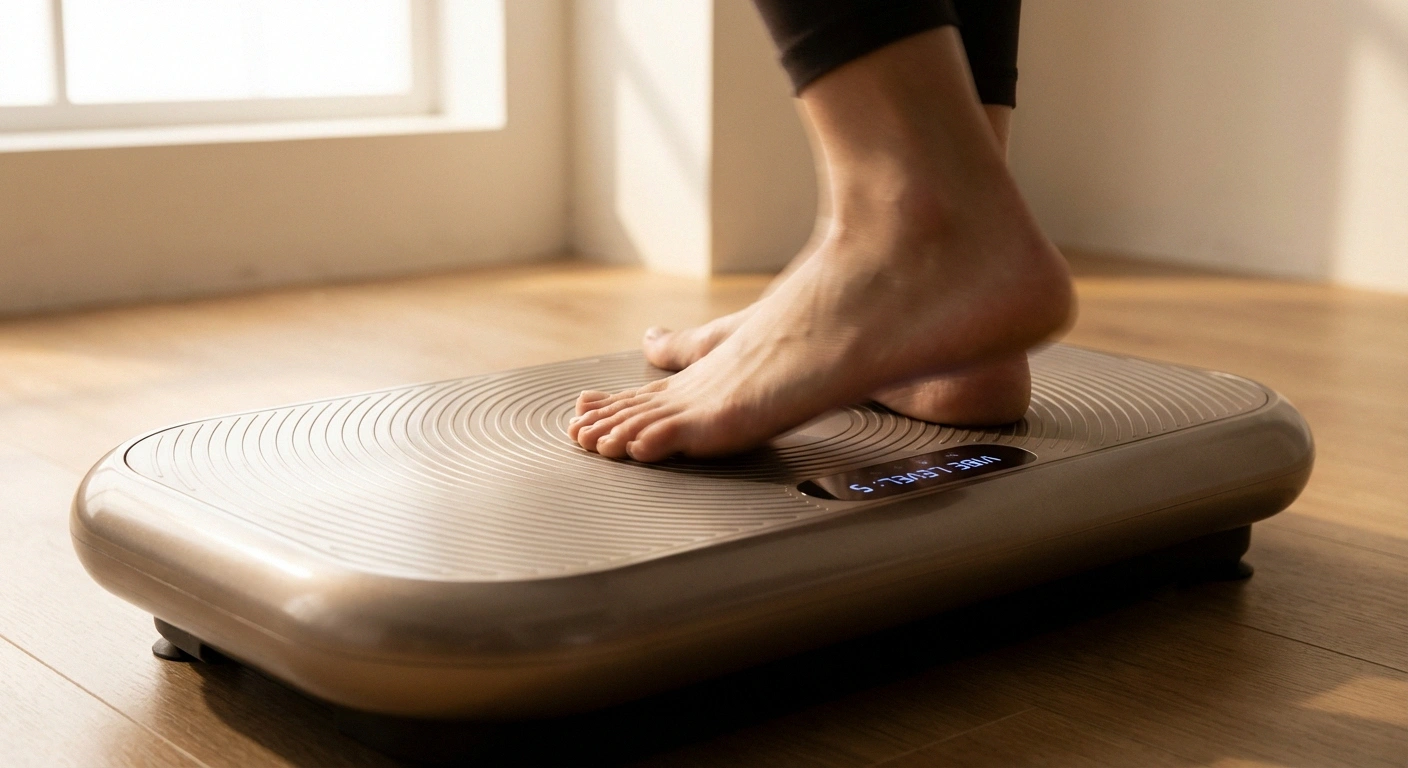
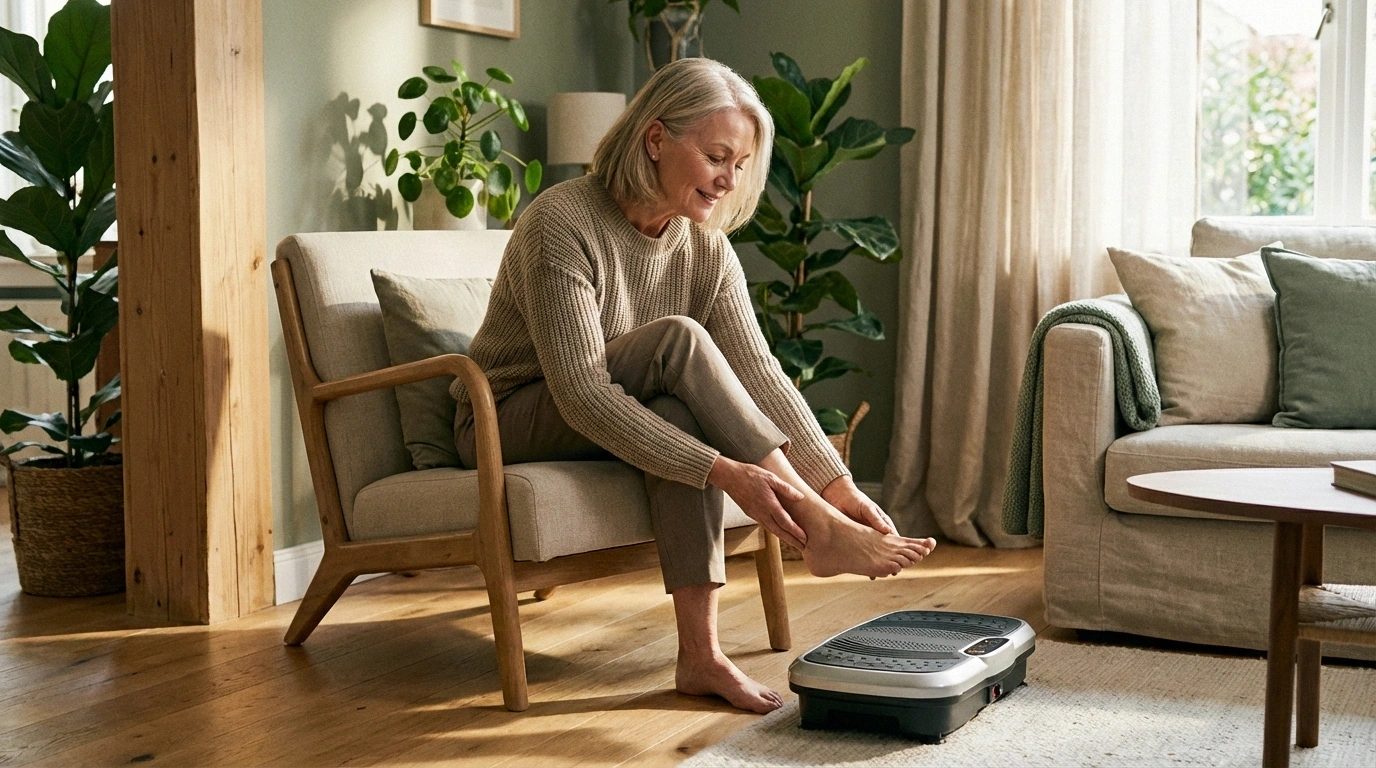
Smaller platforms designed specifically for the feet are available and typically more affordable ($50-$200). You place your feet on the device while seated, which eliminates balance concerns entirely. These may be particularly appropriate for people with severe balance issues who can’t safely stand on a full-body vibration plate.
Percussion Massage Devices
Handheld percussion massage guns can deliver localized vibration to the feet. The 2021 case study used a similar approach with excellent results. These devices are widely available and affordable ($30-$150), though you’ll need someone to help apply them to the soles of your feet, or you’ll need to position them creatively.
How to Use Vibration Therapy Safely for Neuropathy
Based on the protocols used in clinical studies and recommendations from rehabilitation professionals, here’s a sensible approach to getting started:
Getting Started (Weeks 1-2)
Start conservatively. Your nerves are already sensitive, and overwhelming them with too much vibration too quickly may increase discomfort rather than reduce it.
- Frequency: Begin at 8-15 Hz (low vibration)
- Duration: 5-10 minutes per session
- Schedule: 2-3 times per week on non-consecutive days
- Position: If using a full platform, hold onto the support bar. If balance is a concern, sit in a chair with your feet on the platform
- Amplitude: Start with the lowest setting (1-2mm)
Building Up (Weeks 3-6)
If you’re tolerating the sessions well—no increased pain or discomfort—gradually increase:
Your Vibration Therapy Starting Protocol
Weeks 1–2: Start Low
8–15 Hz frequency, 5–10 min sessions, 2–3× weekly. Use support bar or sit in a chair. Lowest amplitude (1–2 mm).
Weeks 3–6: Build Up
Progress to 15–30 Hz, 10–15 min sessions (3-min bouts with 1-min rest). 3× weekly. Add gentle calf raises and weight shifts.
Ongoing: Maintain Consistently
Keep your routine. Most benefits seen at 4–6 weeks. Stopping may cause symptoms to return gradually. Think maintenance, not cure.
- Frequency: Progress to 15-30 Hz
- Duration: 10-15 minutes per session (broken into 3-minute bouts with 1-minute rest periods, matching the clinical study protocols)
- Schedule: 3 times per week
- Add gentle movements: Light calf raises, supported weight shifts, or gentle semi-squats while on the platform
Maintenance
Once you’ve found a frequency and duration that works for you, maintain a consistent schedule. Most clinical benefits were observed after 4-6 weeks of regular sessions. Some people in my support group report that stopping entirely causes their symptoms to gradually return, so ongoing use may be needed to maintain benefits.
Who Should Avoid Vibration Therapy
Vibration therapy isn’t appropriate for everyone. You should avoid it or consult your doctor first if you have:
- Active blood clots or deep vein thrombosis (DVT)—vibration could potentially dislodge a clot
- Acute inflammation or infection in the legs or feet
- Recent surgery on the legs, feet, or spine
- Severe cardiovascular conditions—the increased circulation could strain your heart
- Pregnancy
- Open wounds or active diabetic foot ulcers—vibration near open wounds may interfere with healing
- Retinal detachment or recent eye surgery
- Epilepsy—in rare cases, vibration may trigger seizures
- Implanted devices such as pacemakers, joint replacements, or spinal hardware—check with your doctor
If you have diabetic neuropathy, also be aware that reduced sensation means you may not notice if the vibration is causing skin irritation or bruising. Check your feet carefully after each session.
Vibration Therapy vs. Other Non-Invasive Treatments
How does vibration therapy stack up against other non-invasive neuropathy treatments? Each has different strengths:
TENS therapy uses electrical impulses to disrupt pain signals. It has more robust research backing for pain relief but doesn’t improve circulation or balance the way vibration does. Many people use both—TENS for acute pain episodes and vibration for ongoing management.
Red light therapy targets inflammation and cellular repair at the nerve level. The evidence for neuropathy is growing, and the mechanism is quite different from vibration—it works at the cellular level rather than through mechanical stimulation.
Key Takeaway
Vibration therapy is a promising, non-invasive tool for managing neuropathy pain, with studies showing 50–62% pain reduction, improved balance, and better nerve function. It works best as part of a broader management plan — not as a standalone cure. Start low, build gradually, and give it 4–6 weeks of consistent use.
Acupuncture may modulate pain through different pathways and has moderate evidence for neuropathic pain. Unlike vibration therapy, it requires regular visits to a practitioner.
Physical therapy addresses balance, strength, and mobility comprehensively. Vibration therapy can actually complement a physical therapy program—some PT clinics incorporate vibration platforms into their treatment protocols.
Foot massage improves circulation and provides pain relief through manual manipulation. The effects are similar to vibration in some ways, but vibration therapy offers more consistent, reproducible stimulation and can be done independently at home.
What to Realistically Expect
Based on the research and reports from people in my neuropathy support community, here’s what you might realistically expect from vibration therapy:
- Pain relief is the most commonly reported benefit, with studies showing 50-62% reductions in pain scores. However, results vary—some people experience significant relief while others notice modest improvements.
- Improved sensation has been documented in clinical studies, particularly improved vibration perception threshold. This doesn’t mean full feeling returns, but subtle improvements in sensation can make a meaningful difference in daily life.
- Better balance is a consistent finding across studies. Even modest improvements in balance can significantly reduce fall risk.
- Results take time. Most studies show meaningful improvements after 4-6 weeks of consistent use (3 sessions per week). This isn’t an instant fix.
- Benefits may require ongoing use. Like many neuropathy treatments, the benefits may diminish if you stop. Think of it as ongoing maintenance rather than a cure.
What vibration therapy will not do is reverse nerve damage or cure neuropathy. It’s a symptom management tool—and for many people, an effective one—but it works best as part of a broader approach that includes addressing the underlying cause of your neuropathy, proper foot care, and a nerve-supportive diet.
Frequently Asked Questions
How often should I use vibration therapy for neuropathy?
Most clinical studies used 2-3 sessions per week on non-consecutive days, with each session lasting 10-15 minutes. This schedule allows your body to recover between sessions while maintaining consistent stimulation. Starting with twice a week and progressing to three times a week is a reasonable approach.
Can vibration therapy make neuropathy worse?
When used at appropriate frequencies and durations, vibration therapy has not been shown to worsen neuropathy in clinical studies. However, starting at too high a frequency or using it for too long may temporarily increase discomfort. Always start low and build gradually. If you experience increased pain that persists after a session, reduce the intensity or consult your doctor.
Is vibration therapy covered by insurance?
Most health insurance plans do not cover home vibration devices. However, if vibration therapy is incorporated into a physical therapy program prescribed by your doctor, those sessions may be covered under your PT benefits. Some Medicare Advantage plans and supplemental insurance may offer partial coverage for durable medical equipment with a doctors prescription.
What is the best vibration frequency for neuropathy?
Clinical studies have used frequencies ranging from 15 Hz to 62.5 Hz, with most whole-body vibration studies using 25-30 Hz. The localized vibration case study showing 62.5 percent pain reduction used 62.5 Hz. Starting at a lower frequency and gradually increasing allows you to find the setting that works best for your body without causing discomfort.
Can I use vibration therapy if I have diabetic foot ulcers?
No, you should avoid vibration therapy on or near active foot ulcers or open wounds. The mechanical stimulation could interfere with wound healing or introduce infection risk. Wait until any ulcers have fully healed before starting vibration therapy, and consult your healthcare provider for guidance.
How does vibration therapy compare to TENS for neuropathy pain?
Both vibration therapy and TENS aim to reduce neuropathy pain but through different mechanisms. TENS uses electrical impulses to block pain signals, while vibration uses mechanical stimulation to improve circulation, stimulate nerve receptors, and modulate pain through the gate control mechanism. TENS has more extensive research specifically for pain relief, while vibration therapy offers additional benefits like improved balance and circulation. Many people use both therapies as complementary approaches.
The Bottom Line
Vibration therapy isn’t a miracle cure for neuropathy—but then again, nothing is. What it offers is a non-invasive, drug-free approach to managing symptoms that has genuine clinical evidence behind it. The research consistently shows improvements in pain, balance, and nerve function, even if the studies are still small.
For many people in my support group who’ve tried it, vibration therapy has become a valued part of their daily management routine—something they can do at home, on their own schedule, without side effects. Combined with other approaches like proper nutrition, exercise, and working with your healthcare team to manage the underlying cause of your neuropathy, it may be a worthwhile addition to your toolkit.
As always, talk to your doctor before starting any new therapy, especially if you have diabetes, cardiovascular conditions, or other health concerns. They can help you determine whether vibration therapy is appropriate for your specific situation and monitor your progress.
About the Author