I’ll be honest with you: when I first heard someone mention ketamine as a treatment for nerve pain, my initial reaction was skepticism. Ketamine? Wasn’t that a… I thought it was a club drug, or an animal anesthetic. What does it have to do with the burning in my feet?
As it turns out, quite a lot. Ketamine has been used in medicine since the 1960s, primarily as a dissociative anesthetic. But in recent years, researchers have discovered that at much lower doses — far below those used for anesthesia — it has remarkable properties for treating certain types of pain that don’t respond well to conventional medications.
For people with severe neuropathic pain who’ve tried multiple medications without adequate relief, ketamine infusions have emerged as one of the more promising options available. It’s not right for everyone, it’s not cheap, and it’s not without risks. But for a meaningful subset of neuropathy patients, it has provided relief that nothing else could.
Here’s what the research actually shows — and what you’d need to know before considering it.
What Is Ketamine and How Does It Work for Nerve Pain?
Ketamine is an NMDA receptor antagonist. That may sound like medical jargon, but understanding what it means helps clarify why it works for neuropathic pain.
Ketamine works differently from other neuropathy medications — it directly blocks the NMDA receptors that drive pain amplification in the spinal cord, targeting central sensitization rather than peripheral nerve signals.
NMDA receptors (N-methyl-D-aspartate receptors) are a type of receptor in the spinal cord and brain that play a central role in pain amplification. In people with chronic neuropathic pain, these receptors become overactivated — they start amplifying pain signals far beyond what the actual tissue damage would warrant. This is a key part of what researchers call central sensitization, the process by which the nervous system becomes hypersensitive to pain.
Ketamine blocks NMDA receptors, effectively interrupting this amplification process. Think of it as a reset switch for an overtuned alarm system. By quieting the overactivated NMDA receptors, ketamine can — at least temporarily — allow the nervous system to return to a less hypersensitive state.
But NMDA receptor blockade is only part of the story. Research suggests ketamine also:
- Enhances the brain’s descending inhibitory pathways — the systems that dampen pain signals coming up from the body
- Has anti-inflammatory effects in the nervous system
- May promote neuroplasticity — the nervous system’s ability to reorganize itself, potentially “unlearning” sensitized pain responses
- Interacts with opioid receptors (though this isn’t its primary mechanism)
This multi-target mechanism is part of why ketamine can work for patients who haven’t responded to more targeted medications like gabapentin or duloxetine — it’s working on the problem from a different angle.
What Does the Research Actually Say?

Let’s be honest about where the evidence stands. Ketamine for neuropathic pain has been studied in multiple randomized controlled trials, and the results are genuinely promising — but the evidence has important limitations.
A 2022 meta-analysis found ketamine produced statistically and clinically meaningful pain reduction in neuropathic pain — both immediately after treatment and at 30-day follow-up.
Critical finding on duration: Infusion regimens under 10 cumulative hours show little sustained benefit. When total infusion time exceeds 10 hours across a treatment course, sustained pain relief becomes significantly more likely.
What the research supports:
A 2022 systematic review and meta-analysis published in PLOS ONE, analyzing multiple randomized controlled trials, found that ketamine provided statistically significant pain reduction in neuropathic pain compared to placebo — both immediately after treatment and at 30-day follow-up. The reduction in pain scores was clinically meaningful, not just statistically significant.
The evidence is strongest for complex regional pain syndrome (CRPS), where there is moderate-quality evidence supporting pain relief lasting up to 12 weeks after a course of infusions. For other neuropathic pain conditions — diabetic neuropathy, post-herpetic neuralgia, chemotherapy-induced neuropathy — the evidence is more limited but generally positive.
A particularly important finding: single or very short infusion sessions (less than 10 cumulative hours) have limited impact. But when total infusion time exceeds 10 hours across a treatment course, sustained pain relief becomes more likely. This has shaped how most ketamine clinics structure their treatment protocols.
What the research can’t yet tell us:
The quality of certainty in the evidence is rated as “low” overall — not because the results are negative, but because of significant variation across studies in how ketamine was administered, who received it, and how outcomes were measured. Optimal dosing, infusion duration, number of sessions, and maintenance strategies remain active areas of investigation.
Long-term outcomes beyond three to six months are not well-established. Most studies follow patients for weeks to months, not years. We don’t yet know whether repeated courses of ketamine produce diminishing returns, or how to best maintain the benefits of an initial treatment series.
What Conditions Does Ketamine Help Most?
Ketamine infusion therapy has shown benefits across several neuropathic pain conditions, though the strength of evidence varies:
Complex Regional Pain Syndrome (CRPS): This is where the evidence is strongest. CRPS — formerly called reflex sympathetic dystrophy — involves extreme central sensitization and has historically been very difficult to treat. Multiple trials show meaningful, sustained benefit from ketamine infusions.
Chemotherapy-Induced Peripheral Neuropathy (CIPN): CIPN is often treatment-resistant by its nature, since the nerve damage was caused by chemotherapy drugs that have already done their work. Ketamine has shown promise in this population, particularly for patients with severe, ongoing pain.
Diabetic Peripheral Neuropathy: Studies in diabetic neuropathy patients have shown reductions in pain intensity with ketamine infusions, though this population tends to have complex medical comorbidities that affect candidacy.
Post-Herpetic Neuralgia: The nerve pain that can follow a shingles infection — post-herpetic neuralgia — can be devastatingly persistent. Some patients have found ketamine helpful when standard treatments provided inadequate relief.
Other Treatment-Resistant Neuropathic Pain: For patients with neuropathic pain that hasn’t responded adequately to multiple medication trials, ketamine is increasingly considered as a next-line option.
What Does Ketamine Infusion Treatment Look Like?

Ketamine infusions for chronic pain are administered at a much lower dose than the anesthetic dose used in surgery. The typical protocol varies by clinic, but here’s what most patients can expect:
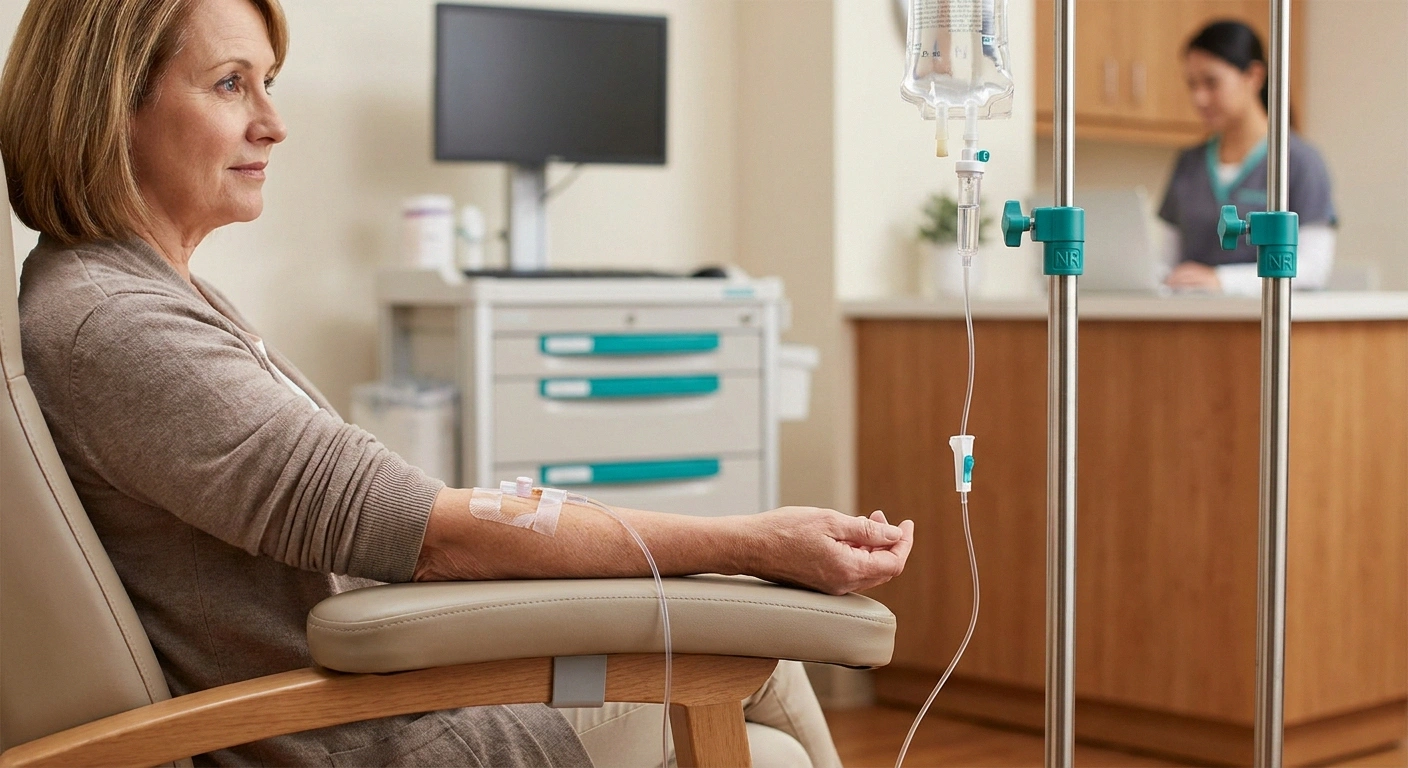
The setting: Infusions are given in a clinic or outpatient infusion center, under medical supervision. You’ll be in a reclining chair or bed, with an IV line in place. Someone should drive you home afterward.
The dose: For chronic pain, subanesthetic doses are used — typically 0.1 to 0.5 mg/kg per hour, far below the doses used for sedation or anesthesia. The exact dose is titrated based on your response and tolerability.
The duration: A single infusion session typically lasts 40 minutes to 4 hours, depending on the clinic’s protocol and the indication being treated.
The course: Most protocols involve a series of infusions, typically 4-6 sessions over 2-3 weeks. This “loading” phase aims to achieve the cumulative effect that research has shown is necessary for meaningful, sustained relief.
Maintenance infusions: If the initial series produces good relief, many clinics offer maintenance infusions every few weeks to months to sustain the benefit. The optimal maintenance schedule varies significantly between patients.
What you may feel: Even at subanesthetic doses, ketamine produces noticeable psychedelic effects — most commonly described as feeling “floaty,” dissociated from your body, or experiencing mild visual distortions. These effects are temporary, typically resolving within 30-60 minutes of the infusion ending. Some people find them unpleasant; others find them neutral or even pleasant. They generally become less pronounced after the first few sessions.
Side Effects and Risks: What to Know

Ketamine infusions at therapeutic doses are generally well-tolerated in the short term, but they’re not without risk. Anyone considering this treatment should understand:
Ketamine infusions require careful patient selection. Contraindications include:
- Uncontrolled high blood pressure or significant cardiovascular disease
- Personal or family history of psychosis or schizophrenia
- Active substance use disorder
- Pregnancy
- Certain medications that affect ketamine metabolism (review all medications with your provider)
Psychedelic/dissociative effects: As described above, mild dissociation, perceptual changes, and feelings of disconnection from your body are expected. These are temporary but can be distressing for some patients, especially the first time.
Nausea: A common side effect, particularly in the first one or two sessions. Most clinics premedicate with anti-nausea medication to minimize this.
Elevated blood pressure and heart rate: Ketamine causes transient cardiovascular stimulation. Patients with poorly controlled hypertension or significant cardiovascular disease may not be good candidates, or may require more careful monitoring.
Cognitive effects: Some patients notice short-term memory or concentration changes during and immediately after infusions. These typically resolve within hours. Longer-term cognitive effects from subanesthetic ketamine used medically have not been well-established in research.
Potential for psychological dependence: At recreational doses, ketamine can be habit-forming. At the lower doses and controlled settings used for medical treatment, dependence is considered unlikely — but this risk is one reason medical supervision is essential.
Bladder effects with chronic use: Heavy recreational use of ketamine has been associated with serious bladder damage. Whether this risk exists at the lower doses used medically and with the frequency used for pain treatment isn’t fully established. Patients receiving repeated ketamine infusions over extended periods should discuss this with their physician.
Contraindications: Ketamine is not appropriate for patients with uncontrolled hypertension, significant cardiovascular disease, a personal or family history of psychosis or schizophrenia, active substance use disorder, or certain other medical conditions. Pregnancy is an absolute contraindication.
How Does Ketamine Compare to Other Treatment Options?

Ketamine is typically considered after other options have been tried. The standard first-line treatments for neuropathic pain — gabapentin, pregabalin, duloxetine, tricyclic antidepressants — work for many people, and starting with these makes sense both medically and practically.
For patients who haven’t achieved adequate relief with oral medications, other interventional options include:
- Spinal cord stimulation — an implanted device that delivers electrical impulses to interrupt pain signals. More invasive than ketamine infusions but potentially longer-lasting.
- Scrambler therapy — a non-invasive electrical stimulation approach that “rescrambles” pain signals.
- Lidocaine patches or infusions — another IV option for neuropathic pain.
Where ketamine sits in this landscape: it’s more accessible than surgery or implanted devices, can provide relief that outlasts the infusion period (unlike topical treatments), and has a genuinely different mechanism from oral medications. For someone who has failed multiple oral medications, ketamine infusions are a reasonable next step to discuss with a pain specialist.
The Practical Questions: Access and Cost
One of the most significant barriers to ketamine infusions is cost. Insurance coverage is inconsistent — some plans cover ketamine infusions for specific diagnoses (particularly treatment-resistant depression, which has more established coverage), but coverage for neuropathic pain specifically is not standard.
Out-of-pocket costs vary widely by location and clinic, but typical ranges:
- Per session: $400–$800
- Initial loading series (6 infusions): $2,400–$4,800
- Maintenance infusions: ongoing cost if response requires maintenance
Finding a reputable provider matters enormously. Ketamine infusion clinics vary widely in their protocols, monitoring standards, and medical expertise. Look for clinics that:
- Are supervised by board-certified anesthesiologists, pain management physicians, or psychiatrists
- Conduct a thorough medical evaluation before treatment
- Monitor patients continuously during infusions
- Have a clear protocol for how they would handle an adverse reaction
- Provide follow-up and can coordinate with your other treating physicians
Your primary care physician or neurologist may be able to provide a referral to a reputable clinic in your area, or can help you navigate the conversation about whether you’re a candidate.
Questions to Ask Before Starting Ketamine Treatment

If you’re considering ketamine infusions, here are important questions to ask the treating provider:
What specific protocol do you use — dose, duration, number of sessions?
What monitoring is in place during infusions, and what happens if I react badly?
If I respond well, what does maintenance look like and what will it cost?
Can you communicate with my neurologist or pain management doctor?
What outcomes do you typically see in patients with my specific condition?
- What is your specific protocol — dose, duration, number of sessions?
- What outcomes do you typically see in patients with my condition?
- What monitoring will be done during infusions?
- What are the contraindications you screen for?
- What should I do if I have a difficult reaction during an infusion?
- If I respond well, what does maintenance look like, and what does it cost?
- Are you able to communicate with my neurologist or pain management physician?
You might also want to discuss your current medication regimen — some medications can interact with ketamine, and your clinical team should review these before starting.
Is Ketamine Research Still Evolving?
Yes, significantly. Ketamine for pain is an active area of research, and protocols are being refined. Clinical trials are ongoing for various neuropathic pain conditions, and some of the most important unanswered questions — optimal dosing, maintenance strategies, patient selection criteria — are actively being studied.
Researchers are also investigating whether intranasal ketamine (more accessible than IV infusions) might provide similar benefits for pain, and whether combining ketamine with psychological support improves and prolongs outcomes — a model that has proven effective in ketamine treatment for depression.
Frequently Asked Questions
How long does pain relief from ketamine infusions last?
This varies significantly between patients and conditions. Some people experience relief lasting a few weeks; others report months of significantly reduced pain. The duration of relief tends to be longer after a full series of infusions (6+ sessions) compared to one or two sessions, and maintenance infusions can extend the benefit. There’s no reliable way to predict duration for an individual patient before trying.
Is ketamine addictive?
At recreational doses used repeatedly over time, ketamine can be psychologically habit-forming. At the subanesthetic doses and frequencies used in medical treatment — supervised, with a clinical rationale and clear treatment goals — dependence is considered a low risk. That said, anyone with a history of substance use disorder should discuss this specifically with their physician before considering ketamine treatment.
Will ketamine make me feel “high”?
You’ll likely experience the dissociative effects of ketamine during the infusion — a floating feeling, possible mild perceptual changes, some disconnection from your body. This typically subsides within an hour of the infusion ending. Whether this feels pleasant, neutral, or unpleasant varies between patients. Many find the experience manageable, particularly after the first session when it’s less unexpected.
Can ketamine be used alongside my other neuropathy medications?
Potentially, yes, though this requires careful medical review. Some medications affect ketamine’s metabolism or safety profile. Your ketamine provider and prescribing physician should review your full medication list together before starting treatment. Don’t assume that “it’s just an infusion” means there are no drug interactions to consider.
Does ketamine treat the underlying nerve damage?
No. Ketamine treats the pain by modulating how the nervous system processes it — particularly by addressing central sensitization. It doesn’t repair damaged peripheral nerves or address the underlying cause of neuropathy. This is why ketamine is considered a pain management intervention, not a disease-modifying treatment.
How do I find a ketamine clinic for pain treatment?
Ask your neurologist, pain management specialist, or primary care physician for a referral. You can also search for pain management specialists or anesthesiologists in your area who offer ketamine infusion therapy. Be cautious of clinics with significant upfront marketing but limited medical oversight — a thorough evaluation should precede any treatment.
The Bottom Line
Ketamine infusions aren’t for everyone with neuropathic pain — they’re most appropriate for people with severe, treatment-resistant pain who have already tried and not adequately responded to conventional medications. They require medical supervision, careful patient selection, and a realistic understanding of what they can and can’t achieve.
But for the right patient, ketamine offers something genuinely different from other neuropathy treatments: a way to address the central nervous system amplification that’s often driving the most disabling aspects of chronic neuropathic pain. That’s a meaningful option in a condition where meaningful options can feel scarce.
If you think you might be a candidate, the first step is an honest conversation with your neurologist or pain management physician. Understanding all your treatment options — including the full range of neuropathy medications — puts you in the best position to make informed decisions about your care.
About the Author
