There’s a supplement that’s been quietly accumulating research evidence for over 50 years, used successfully in Europe for decades, and is just now gaining wider recognition in the United States for neuropathy pain. It’s not flashy. You won’t find it in every health food store. But for many people living with nerve pain, palmitoylethanolamide — PEA for short — has become something they swear by.
I first came across PEA when researching natural options after several members of our neuropathy support group mentioned it. What struck me was the quality of the research behind it — not just testimonials, but published clinical trials, meta-analyses, and decades of European clinical use. For a supplement, that’s unusual. And the safety profile is remarkable: across dozens of studies involving thousands of patients, no significant adverse effects have been reported.
Let me share what I’ve learned about how PEA works, what the research actually shows, and whether it might be worth discussing with your own healthcare team.
What Is Palmitoylethanolamide (PEA)?
Palmitoylethanolamide is a fatty acid amide — a naturally occurring compound your own body produces. It belongs to a family of molecules that includes the endocannabinoids (like anandamide, sometimes called the “bliss molecule”), but PEA itself is not a cannabinoid. It doesn’t bind to the CB1 or CB2 receptors that CBD and THC target.
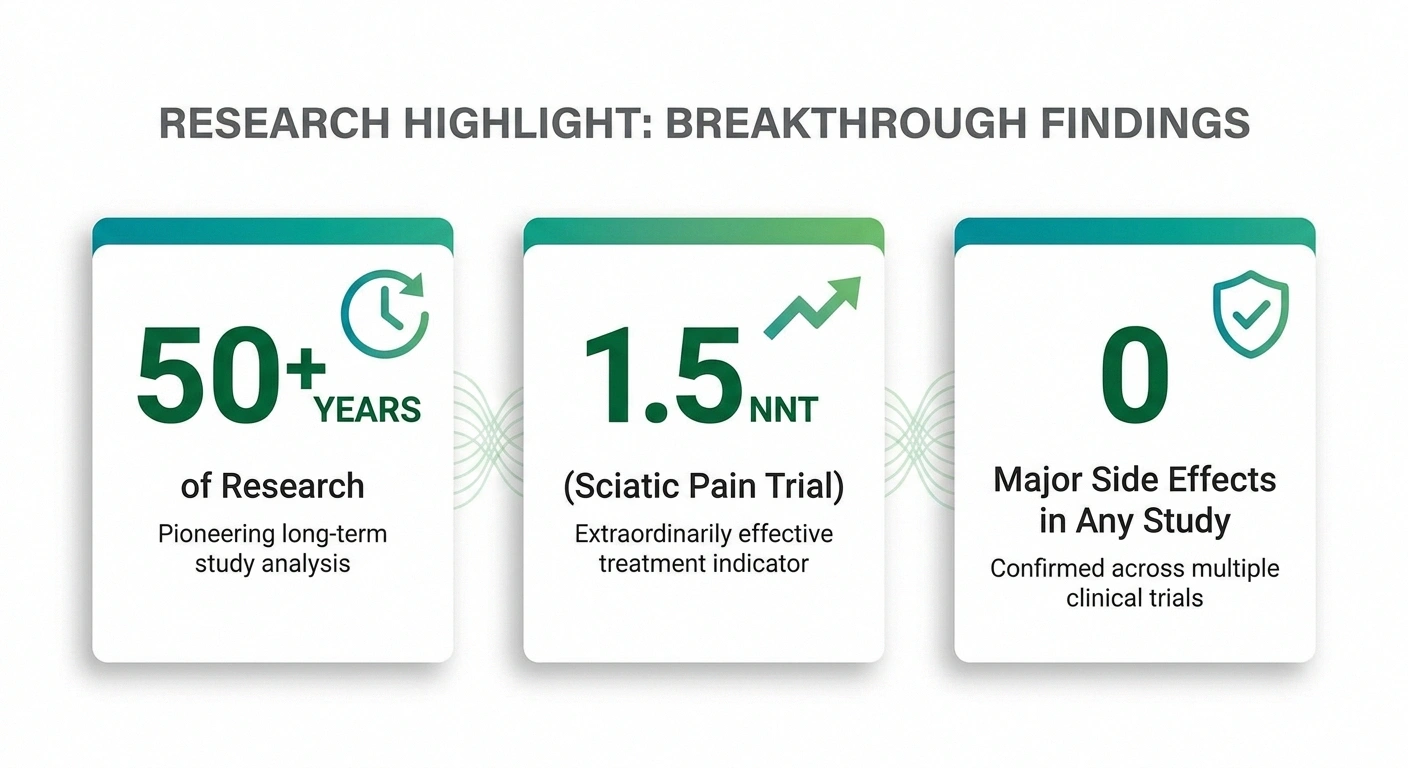
PEA (palmitoylethanolamide) is a natural fatty acid your own body produces. It’s been studied for pain management for over 50 years and has one of the strongest evidence bases among natural supplements for neuropathic pain — with no significant side effects identified in any study.
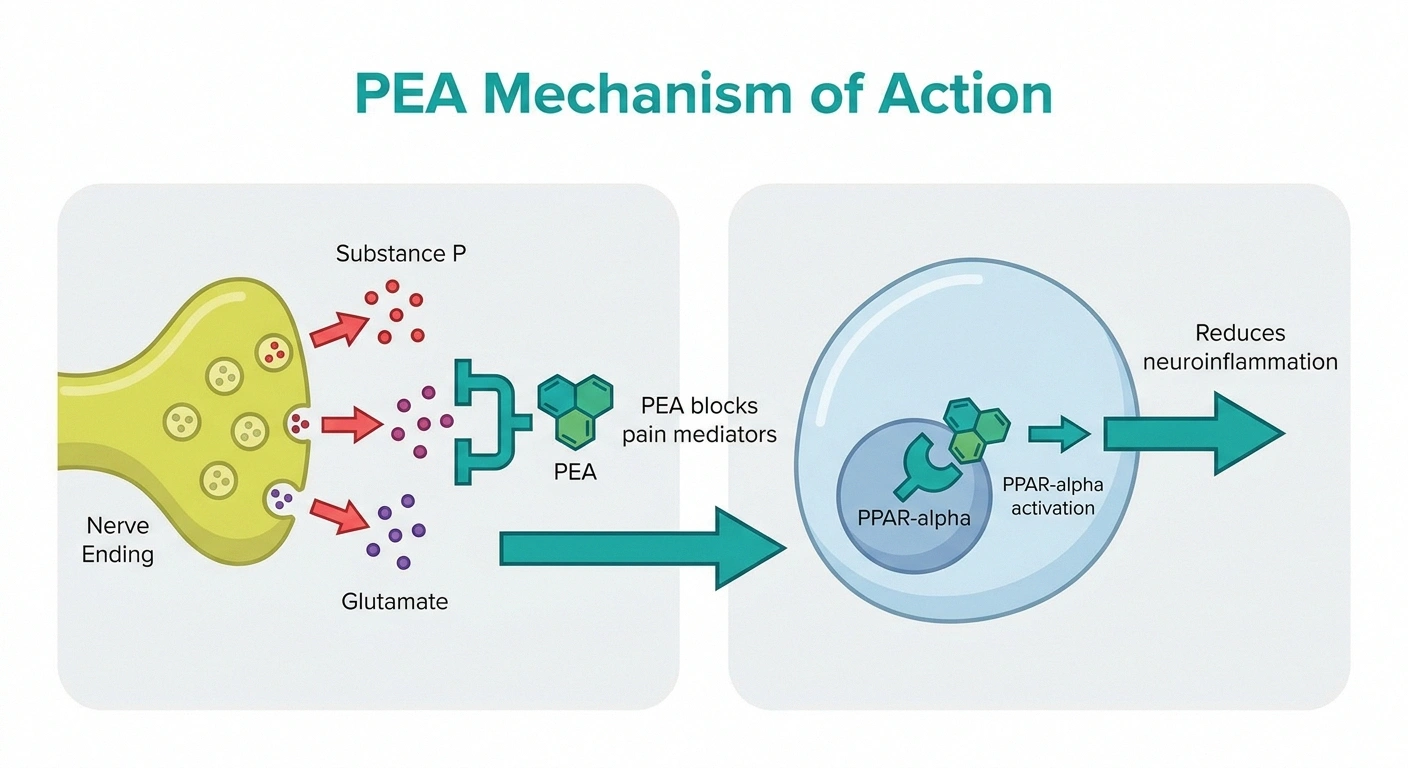
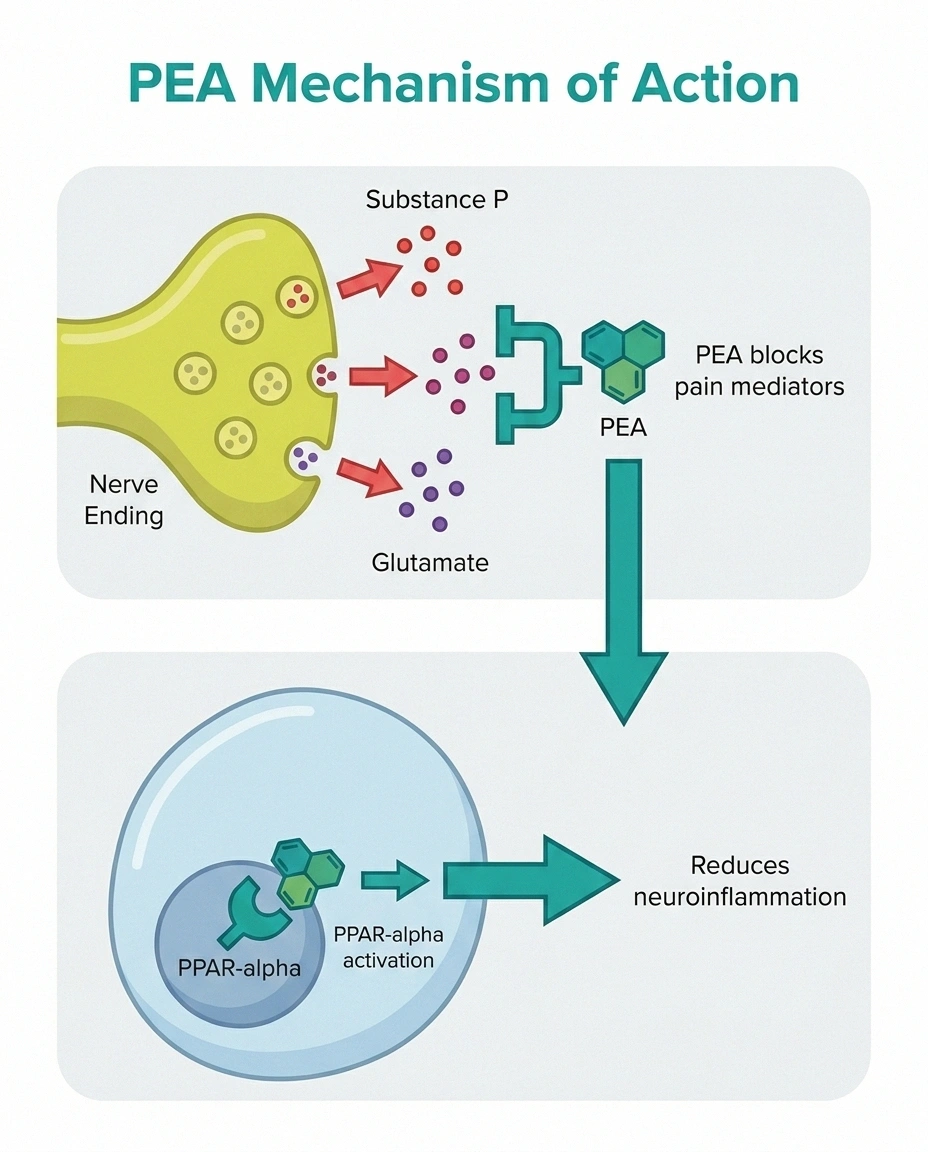
Instead, PEA works primarily by binding to a receptor inside cells called PPAR-alpha (peroxisome proliferator-activated receptor alpha). This receptor plays a key role in regulating inflammation. When PEA activates PPAR-alpha, it dials down the inflammatory cascade that contributes to nerve pain.
PEA is also found in small amounts in foods — egg yolks, peanuts, soy lecithin, and certain dairy products. Your body increases its production in response to inflammation as a natural protective mechanism. But in chronic conditions like neuropathy, the body’s natural PEA production may not keep up with the ongoing inflammatory burden — which is where supplementation comes in.
The compound was first isolated in the 1950s and was used extensively in the 1970s for respiratory and flu-related conditions. Its potential for pain and inflammation was recognized by Italian Nobel laureate Rita Levi-Montalcini, whose research helped establish PEA’s neuroprotective role. Since then, it has accumulated one of the strongest research profiles of any natural compound in the neuropathic pain space.
How PEA Fights Neuropathy Pain: The Mechanism
To understand how PEA helps nerve pain, it helps to understand what’s happening at the cellular level when nerves are damaged.
A major meta-analysis of double-blind RCTs found PEA reduced pain scores by an average of 1.68 points on an 11-point scale compared to comparators — approaching the 2-point threshold considered clinically meaningful. In a 636-patient sciatic pain trial, the number needed to treat for 50% pain reduction was just 1.5 after 3 weeks.
When nerves are injured — whether from diabetes, chemotherapy, autoimmune disease, or other causes — it triggers an inflammatory response. Immune cells called mast cells and microglia (the nervous system’s immune cells) become activated and release inflammatory chemicals. This inflammatory environment amplifies pain signals and contributes to ongoing nerve damage.
PEA works through several pathways to interrupt this cycle:
- PPAR-alpha activation: The primary mechanism — reduces production of inflammatory molecules (cytokines, prostaglandins) that sensitize nerve endings
- Mast cell stabilization: PEA directly inhibits mast cell degranulation, reducing the release of histamine, substance P, and other pain-amplifying mediators
- Microglia modulation: In the nervous system, PEA helps calm overactivated microglia — the glial cells that drive neuroinflammation
- The “entourage effect”: PEA potentiates the effects of the body’s own endocannabinoids (particularly anandamide) by slowing their breakdown, amplifying natural pain relief signals without directly binding cannabinoid receptors
This multi-pronged anti-inflammatory and analgesic action is what makes PEA particularly interesting for neuropathic pain — which is itself a multi-mechanism condition.
What Does the Research Actually Show?
The research base for PEA and neuropathic pain is genuinely impressive. Here’s what stands out:
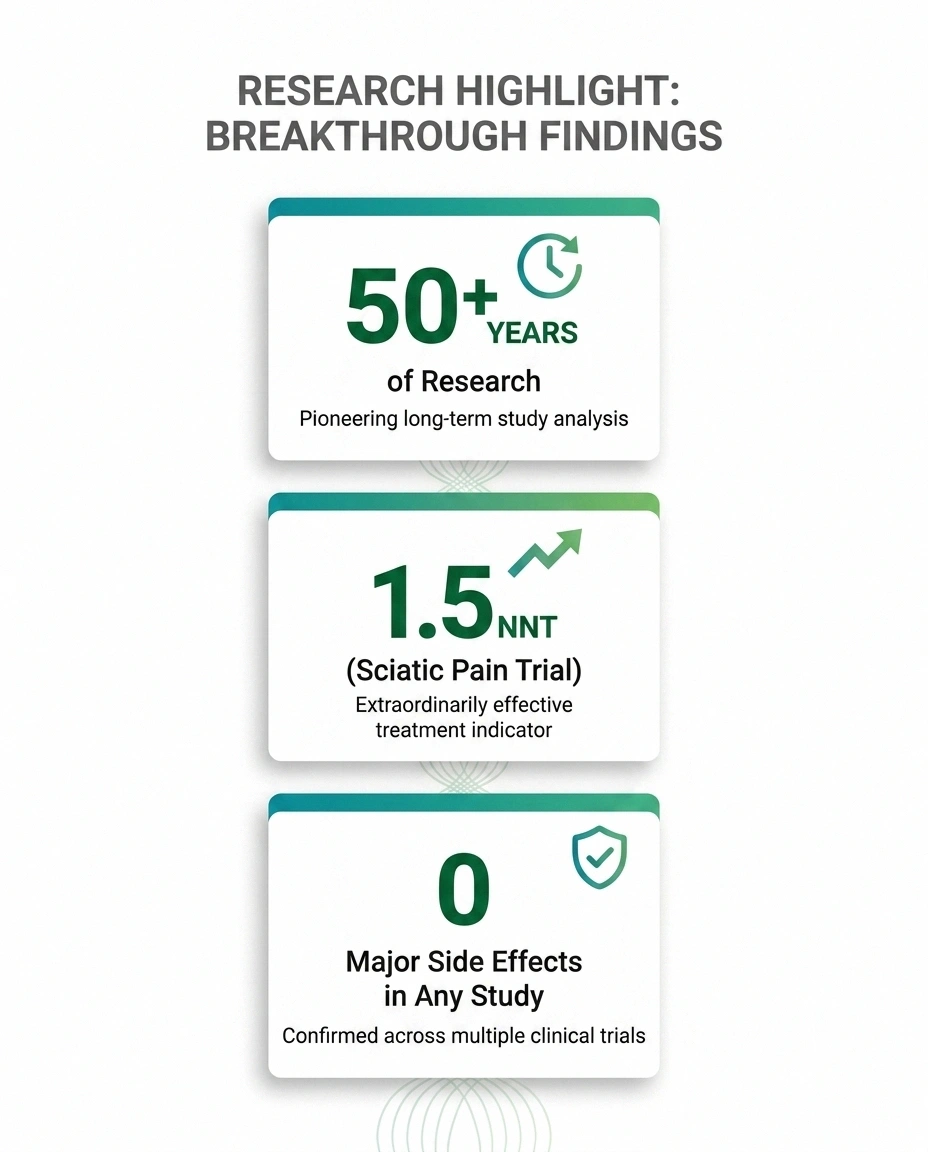
The meta-analysis evidence. A comprehensive systematic review and meta-analysis published in the journal Nutrients examined double-blind randomized controlled trials of PEA for chronic pain. The analysis found that PEA reduced pain scores by an average of 1.68 points on a standardized 11-point scale compared to comparators. For context, a 2-point reduction is generally considered clinically meaningful in neuropathic pain research.
The diabetic neuropathy trial. An 8-week randomized controlled trial published in Inflammopharmacology specifically examined PEA in patients with diabetic peripheral neuropathic pain. The results showed significant reductions in pain intensity, inflammation markers, and — notably — depressive symptoms. Given that depression and chronic pain so often travel together, this dual effect is particularly valuable.
The sciatic pain trial. In a pivotal double-blind, placebo-controlled trial of 636 patients with sciatic pain (a type of nerve root pain), the number needed to treat (NNT) to achieve 50% pain reduction compared to baseline was 1.5 after just 3 weeks. An NNT of 1.5 is remarkably good — for reference, the NNT for gabapentin in neuropathic pain is typically 6-8.
Long-term use data. PEA has been prescribed for neuropathic pain management in clinical practice for over 20 years, particularly in Italy and other European countries. This real-world experience has produced a large body of data showing consistent benefits with an excellent safety profile.
It’s worth comparing this to other natural options. Alpha-lipoic acid has strong evidence for diabetic neuropathy; magnesium and omega-3 fatty acids have supportive roles. PEA stands out because its evidence base is broader and specifically focused on neuropathic pain mechanisms. For a comprehensive overview of what supplements have the strongest backing, see our guide to the best supplements for neuropathy.
PEA for Different Types of Neuropathy
PEA has been studied across multiple types of neuropathic pain conditions, not just diabetic neuropathy:
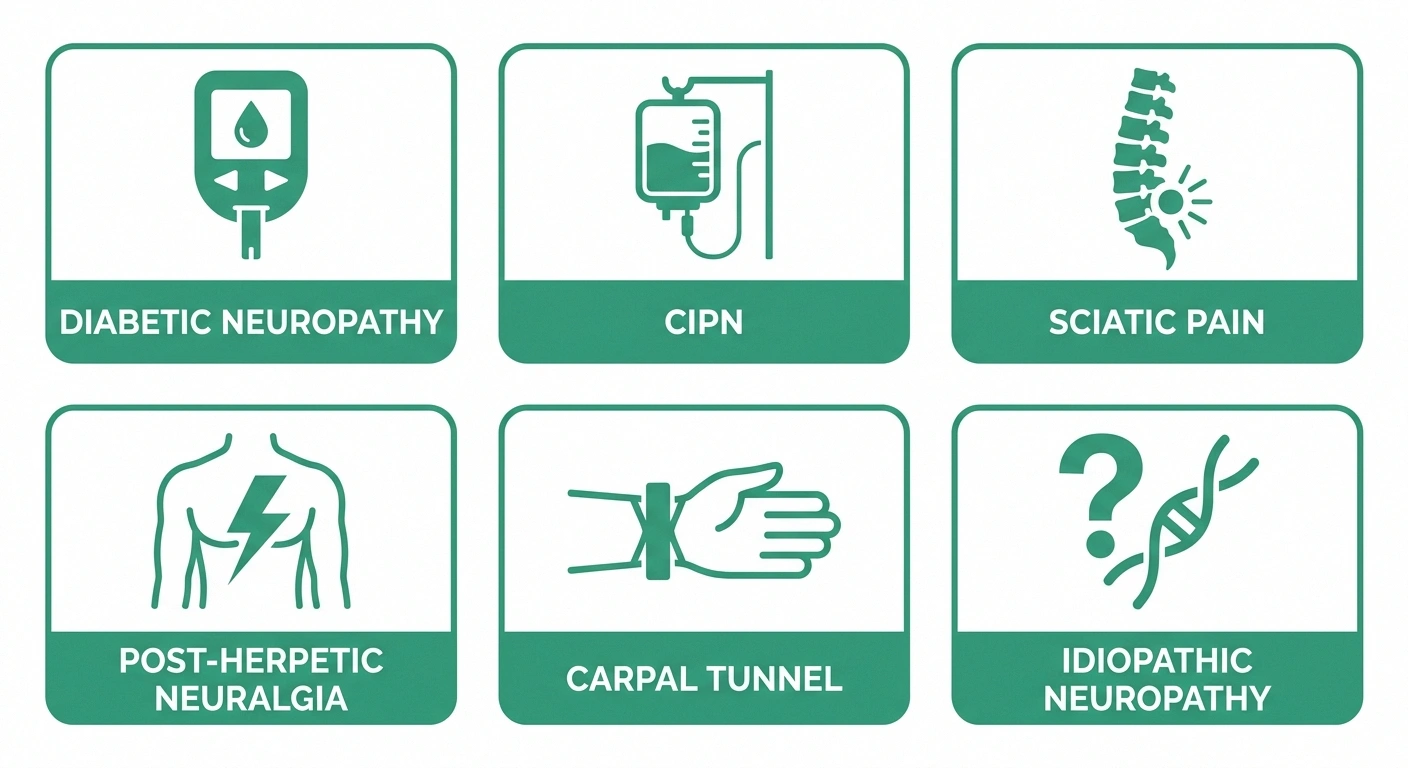
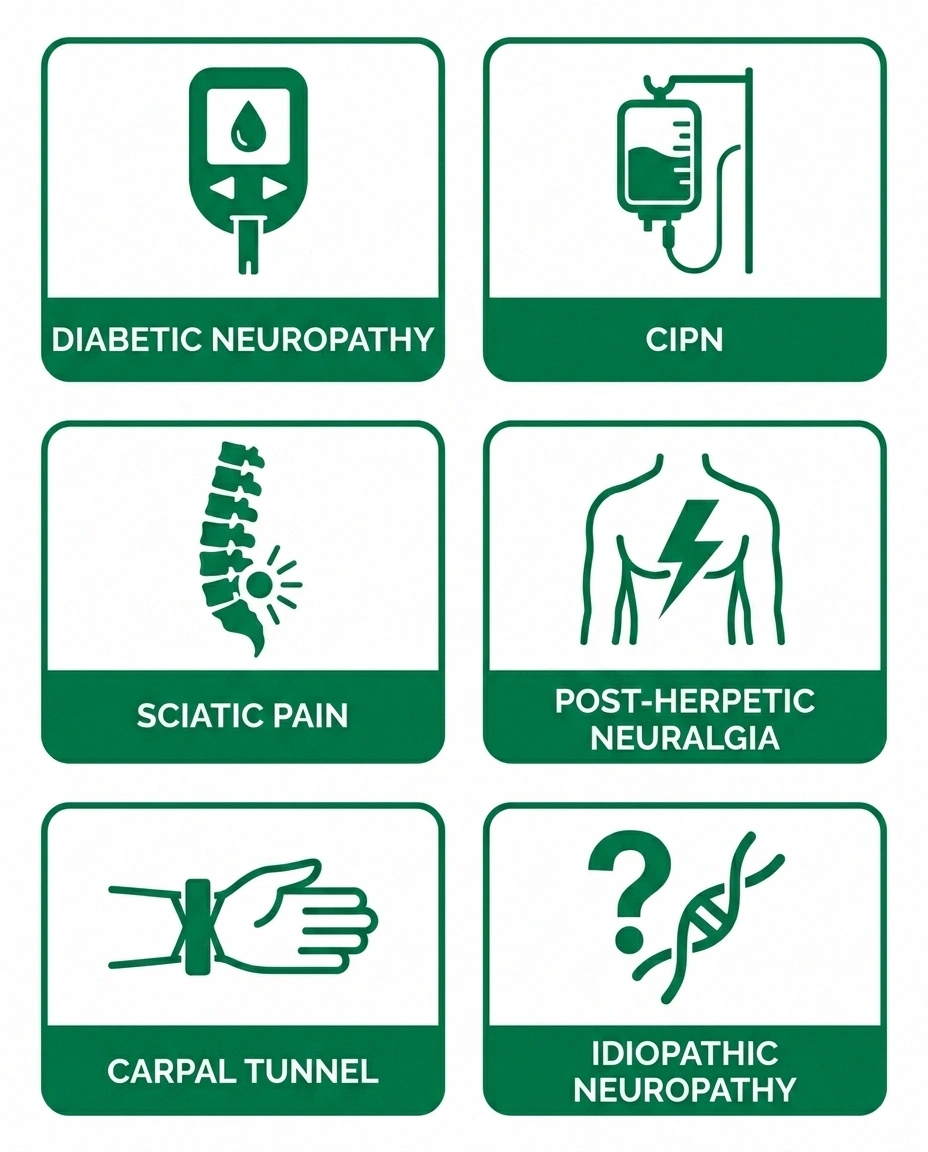
- Diabetic peripheral neuropathy: Multiple trials showing significant pain reduction and improved quality of life
- Chemotherapy-induced peripheral neuropathy (CIPN): Case series and smaller studies suggest benefit; research ongoing
- Sciatic nerve pain / lumbar radiculopathy: One of the strongest evidence bases — the 636-patient trial mentioned above
- Post-herpetic neuralgia (shingles pain): Case series showing meaningful relief in this notoriously difficult-to-treat condition
- Carpal tunnel syndrome: Studies showing improved nerve conduction and symptom scores
- Idiopathic neuropathy: Clinical case series showing benefit across diverse presentations
Notably, PEA appears to work for both the burning/tingling type of neuropathic pain (positive symptoms) and the numbness/weakness type, suggesting broad applicability regardless of symptom presentation.
PEA vs. CBD: What’s the Difference?
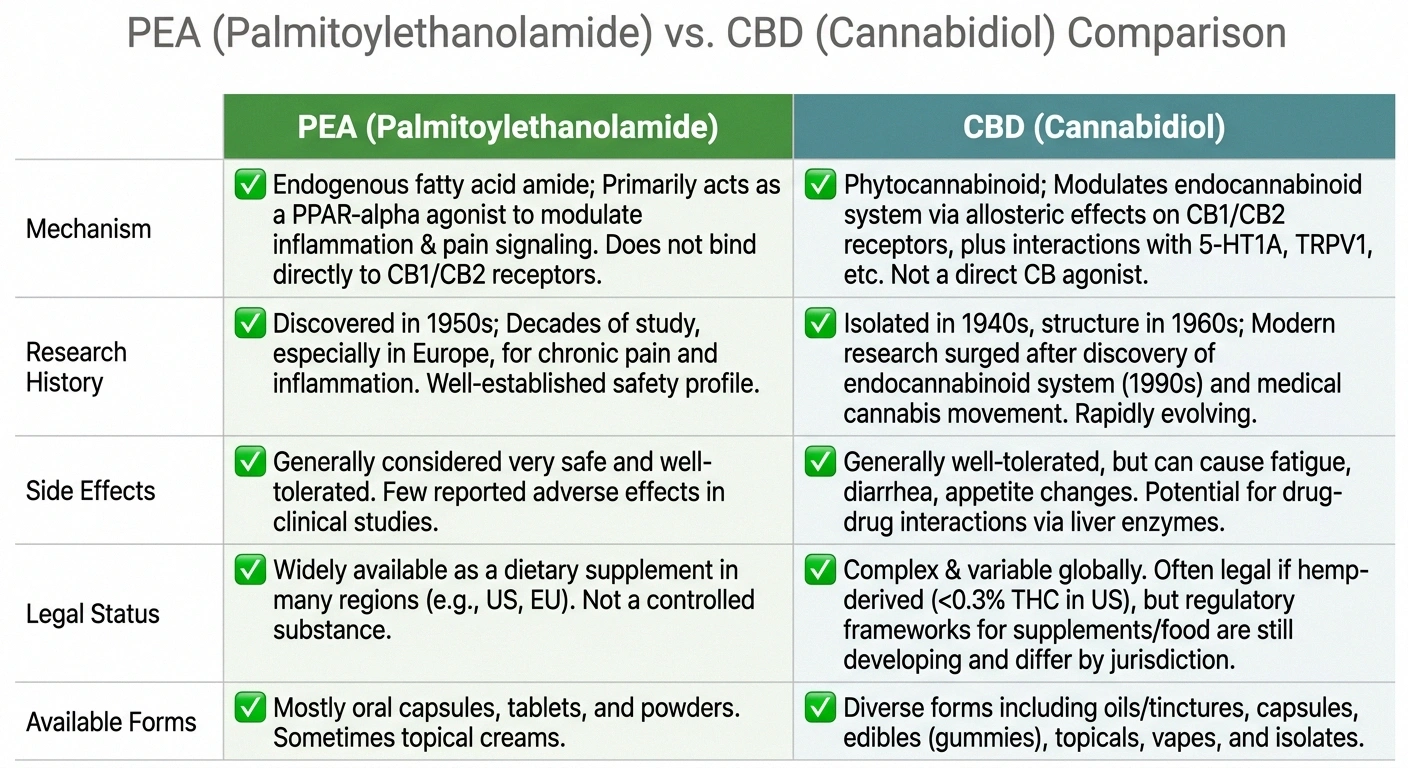
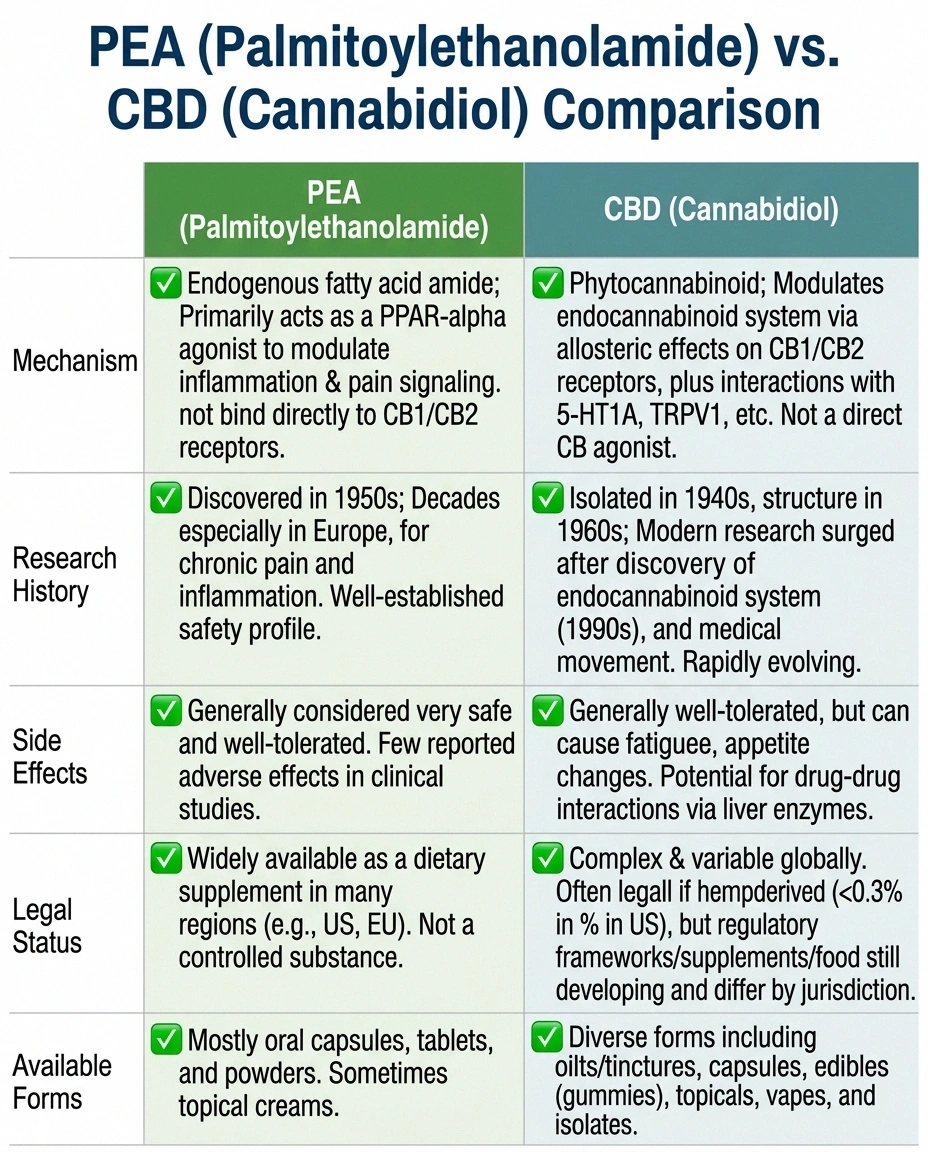
Because PEA is in the same chemical family as endocannabinoids and is sometimes sold alongside CBD products, people often ask how they differ. They are not the same compound, and they work through different mechanisms:
Standard PEA supplements are significantly less bioavailable than ultramicronized (um-PEA) or micronized formulations. Many cheap products use standard-particle PEA — if the label doesn’t say “ultramicronized” or “micronized,” the absorption is substantially lower and results may be disappointing. Most clinical trials used um-PEA.
- CBD targets CB1, CB2, TRP channels, and other receptors; PEA primarily targets PPAR-alpha
- PEA has a substantially longer research track record (50+ years vs. recent CBD research)
- PEA has no psychoactive effects and no regulatory concerns
- The evidence base for PEA in neuropathic pain is larger and more robust than the current evidence for CBD
Some practitioners combine PEA and CBD, theorizing that their different mechanisms might produce additive effects — but this hasn’t been rigorously studied. If you’re interested in both, discuss the combination with your doctor.
How to Take PEA: Formulations, Dosing, and What to Expect
Formulations matter. Not all PEA supplements are created equal. Standard PEA particles are poorly absorbed in the gut. The two forms with the best bioavailability are:
- Ultramicronized PEA (um-PEA): The particles are ground extremely fine, dramatically improving absorption. Most clinical trials use um-PEA. Look for brands that specifically state “ultramicronized” on the label.
- Micronized PEA: Similar principle, somewhat larger particle size than ultramicronized but still significantly better than standard PEA.
Some products combine PEA with luteolin (a flavonoid with its own anti-neuroinflammatory properties) in what’s called co-ultraPEA or co-ultraPEALut. Early research suggests this combination may offer enhanced effects, but the straight um-PEA is the better-studied option.
Typical dosing: Most clinical studies use 300mg to 600mg taken twice daily, for a total of 600mg to 1,200mg per day. Some protocols start higher for the first 2-3 weeks and then step down. The ultramicronized form is effective at lower doses due to better absorption.
Time to effect: PEA is not a fast-acting pain reliever in the way that gabapentin or NSAIDs might provide immediate relief. Most people notice improvement after 2-4 weeks, with full effects typically seen at 6-8 weeks of consistent use. Patience is important — stopping too early because you haven’t noticed results at week 2 is a common mistake.
With or without food: PEA is a fatty acid, and some practitioners suggest taking it with a small amount of fat (a meal, or a teaspoon of olive oil) to enhance absorption — though evidence specifically for this recommendation is limited.
Safety Profile: What to Know
PEA’s safety record is one of its most compelling features. Across dozens of published studies — including trials lasting many months — no clinically significant adverse effects have been attributed to PEA. The most commonly reported effects are mild and infrequent:
- Mild gastrointestinal symptoms (nausea, stomach upset) in a small minority of users, typically resolving with food
- No known drug interactions identified in existing research (though this doesn’t mean interactions can’t occur — always disclose supplements to your doctor and pharmacist)
- No evidence of tolerance development (the effect doesn’t fade over time)
- No psychoactive effects whatsoever
This safety profile is particularly relevant for neuropathy patients, who are often already managing multiple medications. For context on how supplements stack up alongside medications in neuropathy management, see our article on supplements for nerve inflammation.
PEA has not been specifically studied in pregnancy or breastfeeding, so these populations should consult their doctor. People with known hypersensitivity to PEA or related compounds should avoid it.
How PEA Fits Into a Broader Neuropathy Management Plan
PEA is not a replacement for addressing the underlying cause of your neuropathy. If your neuropathy is from diabetes, blood sugar control remains paramount. If it’s from a nutritional deficiency, optimizing B vitamin levels is essential. If it’s from a medication, working with your doctor to explore alternatives is the first step.
PEA isn’t a cure, but among natural supplements for neuropathy, it has unusually strong evidence and an excellent safety profile. Use ultramicronized form, give it 6–8 weeks, and treat it as part of a broader management plan — not a standalone solution.
Where PEA fits is in the symptom management layer — and as a tool to reduce neuroinflammation that may be contributing to ongoing damage. Some practitioners think of it as a “nerve calmer” — something that doesn’t cure the disease but quiets the inflammatory environment that makes symptoms worse.
Many people use PEA alongside other natural options. NAC (N-acetyl cysteine) is another antioxidant supplement with neuroprotective properties. The combination of multiple complementary agents is appealing in theory, though the specific combinations haven’t been rigorously studied.
PEA is also used by some people as an adjunct to conventional medications — adding it alongside pregabalin or duloxetine with the goal of achieving better pain control at lower medication doses. Some clinical observations support this strategy, but discuss it with your prescribing doctor before making any medication changes.
For those exploring natural remedies for peripheral neuropathy, PEA is consistently among the options with the most compelling evidence base.
Where to Find PEA Supplements
PEA is available OTC as a dietary supplement in the United States and has been sold as a pharmaceutical nutraceutical in Europe for years (sold under brand names like Normast, PeaPlex, and others). In the US, you’ll find it from supplement companies under brand names including Levagen+, PeaVera, and various store brands.
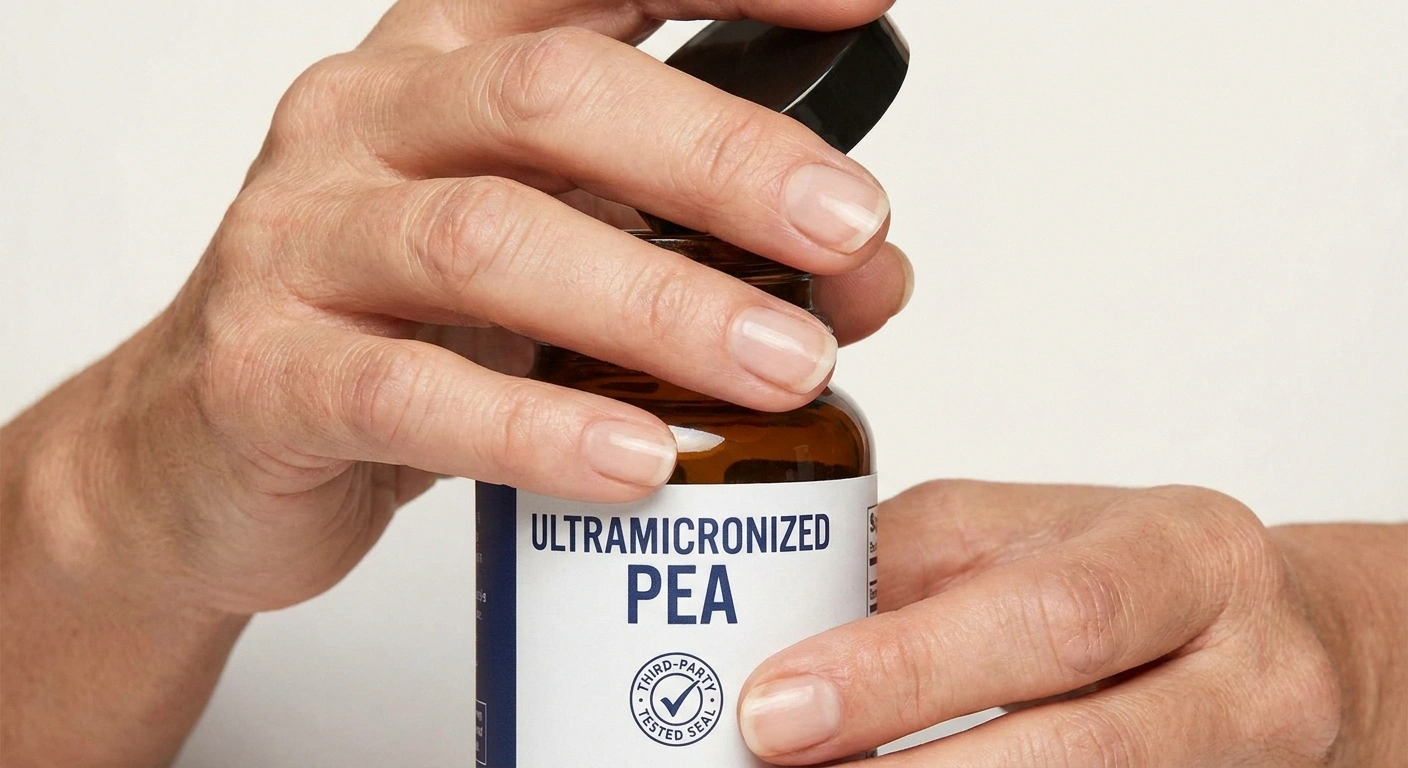
When shopping, look for:
- “Ultramicronized” or “micronized” clearly stated on the label
- Third-party testing certification (USP, NSF International, or Informed Sport)
- Clear dosing information (most research used 300mg doses)
- Avoid products that combine PEA with many other ingredients in a “proprietary blend” — it makes it impossible to know if you’re getting an effective PEA dose
Prices vary widely. Expect to pay $30–$60 per month for a quality ultramicronized product at therapeutic doses.
Frequently Asked Questions
Does PEA really help nerve pain?
The research evidence is meaningful. Multiple randomized controlled trials and meta-analyses show that PEA reduces neuropathic pain scores compared to placebo or comparator treatments, with the average reduction of about 1.68 points on an 11-point scale. Specific trials for diabetic neuropathy and sciatic pain show particularly strong results. It’s not a miracle, but it has a better evidence base than most supplements for neuropathy pain.
How long does PEA take to work for neuropathy?
Most people notice gradual improvement after 2-4 weeks, with full effects typically seen around 6-8 weeks of consistent daily use. PEA works by modulating the inflammatory environment around nerves — a slow, cumulative process rather than a fast-acting analgesic. If you haven’t noticed any improvement after 8-12 weeks at adequate doses, it may not be the right option for you.
What is the best form of PEA to take for neuropathy?
Ultramicronized PEA (um-PEA) has the best bioavailability and is the form used in most clinical trials. Look for supplements that specifically state “ultramicronized” on the label. Standard PEA has larger particles and is significantly less well-absorbed. Some combination products (PEA + luteolin) show promise but have less research behind them than straight um-PEA.
Is PEA safe to take with other neuropathy medications?
No significant drug interactions have been identified in published research. However, “no known interactions” is not the same as “proven safe with all combinations.” Always tell your doctor and pharmacist you’re taking PEA before starting or changing any medications. This is especially important if you’re on anticoagulants, immunosuppressants, or drugs with narrow therapeutic windows.
How much PEA should I take for neuropathy?
Most clinical trials used 300mg twice daily (600mg total per day) to 600mg twice daily (1,200mg total per day) of ultramicronized PEA. Lower doses can be used for ultramicronized formulations due to better absorption. Some protocols start at 1,200mg per day for the first month, then reduce to 600mg as a maintenance dose. Always start with the lower end of the range and discuss dosing with your healthcare provider.
Is PEA the same as CBD?
No. PEA and CBD are different compounds with different mechanisms. PEA (palmitoylethanolamide) primarily works through PPAR-alpha receptors. CBD works through CB1, CB2, TRP channels, and other receptors. PEA has a much longer research track record — over 50 years of clinical study — compared to CBD. PEA has no psychoactive effects and no known legal restrictions in the US. They can potentially be used together, but this combination hasn’t been well-studied.
What are the side effects of palmitoylethanolamide?
PEA has an excellent safety profile. Across dozens of published studies, no significant adverse effects have been reported. A small number of users report mild gastrointestinal symptoms (nausea or stomach upset), which usually resolve by taking PEA with food. There is no evidence of tolerance, dependence, or withdrawal. It has no psychoactive effects. PEA should be avoided during pregnancy and breastfeeding due to lack of safety data in these populations.
About the Author