When Maria first noticed the tingling in her fingertips, she assumed it was from spending too many hours at the keyboard. But as the numbness crept up to her wrists and her feet started burning at night, her doctor asked a question she hadn't expected: “Have you been exposed to any chemicals at work?” It turned out the industrial solvents she'd been handling for three years without proper protection had been slowly damaging her nerves. Maria had toxic neuropathy — and the first thing she wanted to know was whether the damage could be undone.
If you're asking the same question, you're not alone. Toxic neuropathy is one of the most misunderstood forms of peripheral neuropathy, partly because the word “toxic” sounds so alarming and partly because the causes range from everyday medications to workplace chemicals. The good news? In many cases, toxic neuropathy is at least partially reversible — but the outcome depends on several important factors we'll walk through together.
What Is Toxic Neuropathy?
Toxic neuropathy is nerve damage caused by exposure to harmful substances — whether those substances are medications, industrial chemicals, heavy metals, alcohol, or even certain natural compounds. It's a form of peripheral neuropathy, meaning it affects the nerves outside your brain and spinal cord, typically starting in the hands and feet.
What makes toxic neuropathy distinct from other types is the cause-and-effect relationship: there's a specific substance doing the damage. This is actually encouraging from a treatment perspective because, unlike idiopathic neuropathy where the cause remains unknown, identifying and removing the tobacco chemicals that damage nerves agent gives your nerves a chance to heal.
According to a review published in Toxicologic Pathology, peripheral neuropathy affects roughly 15% of the US population over age 40, and toxic exposures represent a significant subset of those cases. In developed countries, the most common causes are medication side effects — particularly chemotherapy drugs — while in developing nations, environmental and occupational exposures to heavy metals and industrial chemicals are more prevalent.
Common Causes of Toxic Neuropathy
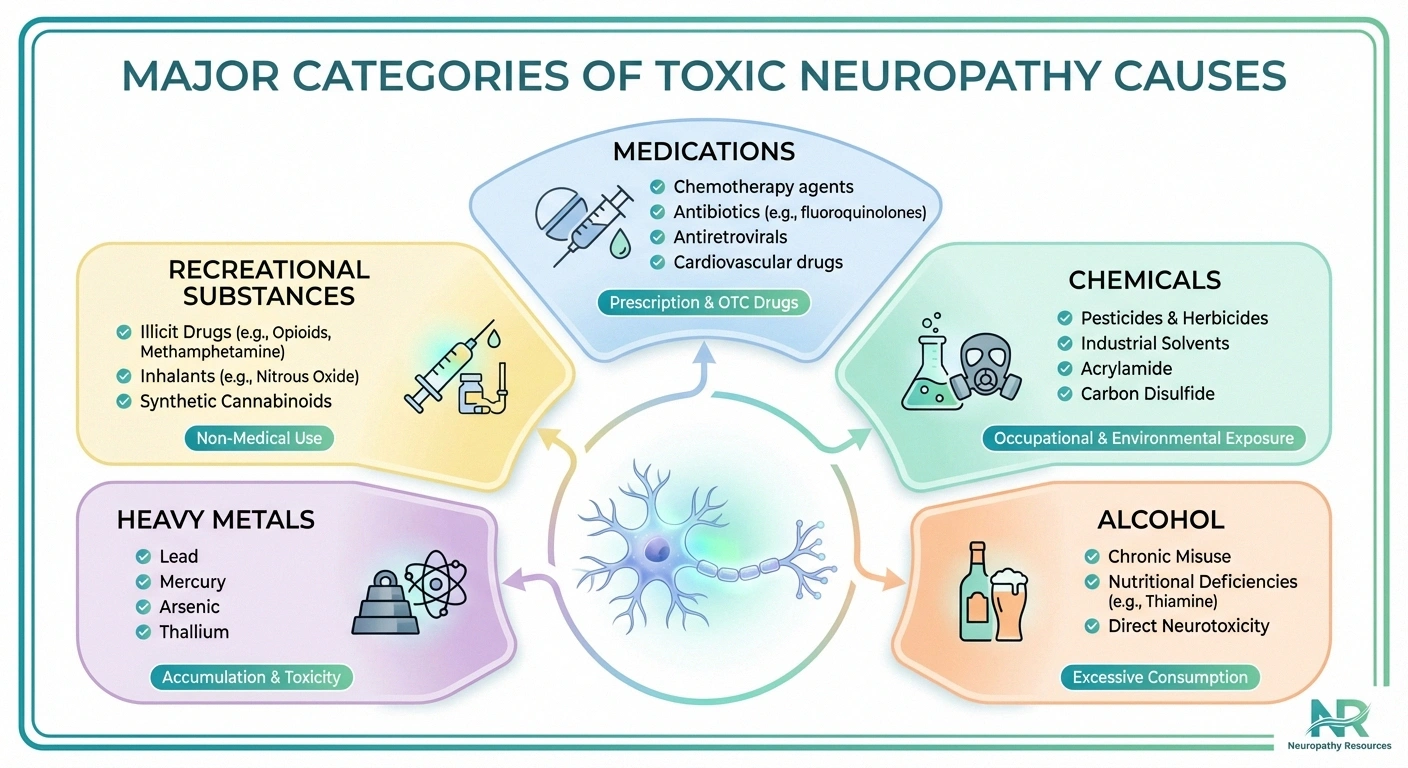
The list of substances that can damage peripheral nerves is longer than most people realize. Here are the major categories:

Chemotherapy Medications
Chemotherapy-induced peripheral neuropathy (CIPN) is the most common form of toxic neuropathy in developed countries. Research shows that up to 68% of chemotherapy patients experience some degree of neuropathy within the first month after completing treatment. Drugs like platinum compounds (cisplatin, oxaliplatin), taxanes (paclitaxel, docetaxel), and vinca alkaloids (vincristine) are among the most notorious nerve-damaging agents. If you're navigating chemo-related nerve issues, our guide on chemotherapy-induced neuropathy covers this topic in much more detail.
Other Medications
Chemotherapy isn't the only culprit in the medicine cabinet. Several commonly prescribed drugs can cause neuropathy with prolonged use, including certain antibiotics (metronidazole, fluoroquinolones), heart medications (amiodarone), anti-seizure drugs, and statin cholesterol medications. Even excessive doses of vitamin B6 (pyridoxine) — something many people take as a supplement — can paradoxically cause nerve damage. For a more comprehensive look, see our article on medications that can cause neuropathy.
Alcohol
Chronic alcohol use is one of the two most frequent causes of toxic neuropathy worldwide. According to a 2022 review in Current Treatment Options in Neurology, approximately 40% of people with chronic alcohol use develop neuropathy. The damage comes from both the direct toxic effect of ethanol on nerve fibers and the nutritional deficiencies — particularly thiamine (vitamin B1) — that often accompany heavy drinking. We explore this connection further in our article on alcoholic neuropathy.
Heavy Metals
Lead, mercury, arsenic, and thallium can all cause peripheral nerve damage. While acute heavy metal poisoning is relatively rare in everyday life, chronic low-level exposure can happen through contaminated water, certain occupations (mining, battery manufacturing, painting), imported herbal medicines that contain undisclosed metals, and even some older household items. Arsenic exposure, for example, can cause numbness and tingling alongside other symptoms like skin changes, hair loss, and gastrointestinal problems.
Industrial and Environmental Chemicals
Workers in manufacturing, agriculture, and certain trades may encounter nerve-damaging chemicals including:
- Hexacarbons — found in solvents, glues, and lacquers (n-hexane is a well-known offender)
- Carbon disulfide — used in the production of rayon and cellophane
- Organophosphates — common in pesticides and insecticides
- Acrylamide — used in water treatment and manufacturing processes
- Ethylene glycol — found in antifreeze
Even household products like certain cleaning fluids, beauty products, and pest control chemicals (including flea dips and insect sprays) can contribute to toxic neuropathy with prolonged or unprotected exposure.
Recreational Substances
Beyond alcohol, nitrous oxide (“whippets”) is a particularly dangerous recreational cause of neuropathy because it depletes vitamin B12 — sometimes causing severe nerve damage even in young, otherwise healthy people. Glue sniffing and other inhalant abuse can also damage peripheral nerves.
Symptoms: How Toxic Neuropathy Feels
The symptoms of toxic neuropathy typically follow a pattern that neurologists call a “stocking-glove distribution” — they start in the toes and feet, then gradually move upward, and may eventually affect the fingertips and hands. This happens because the longest nerve fibers in your body are the most vulnerable. If you're wondering whether your symptoms match, our article on what neuropathy feels like may help you compare experiences.
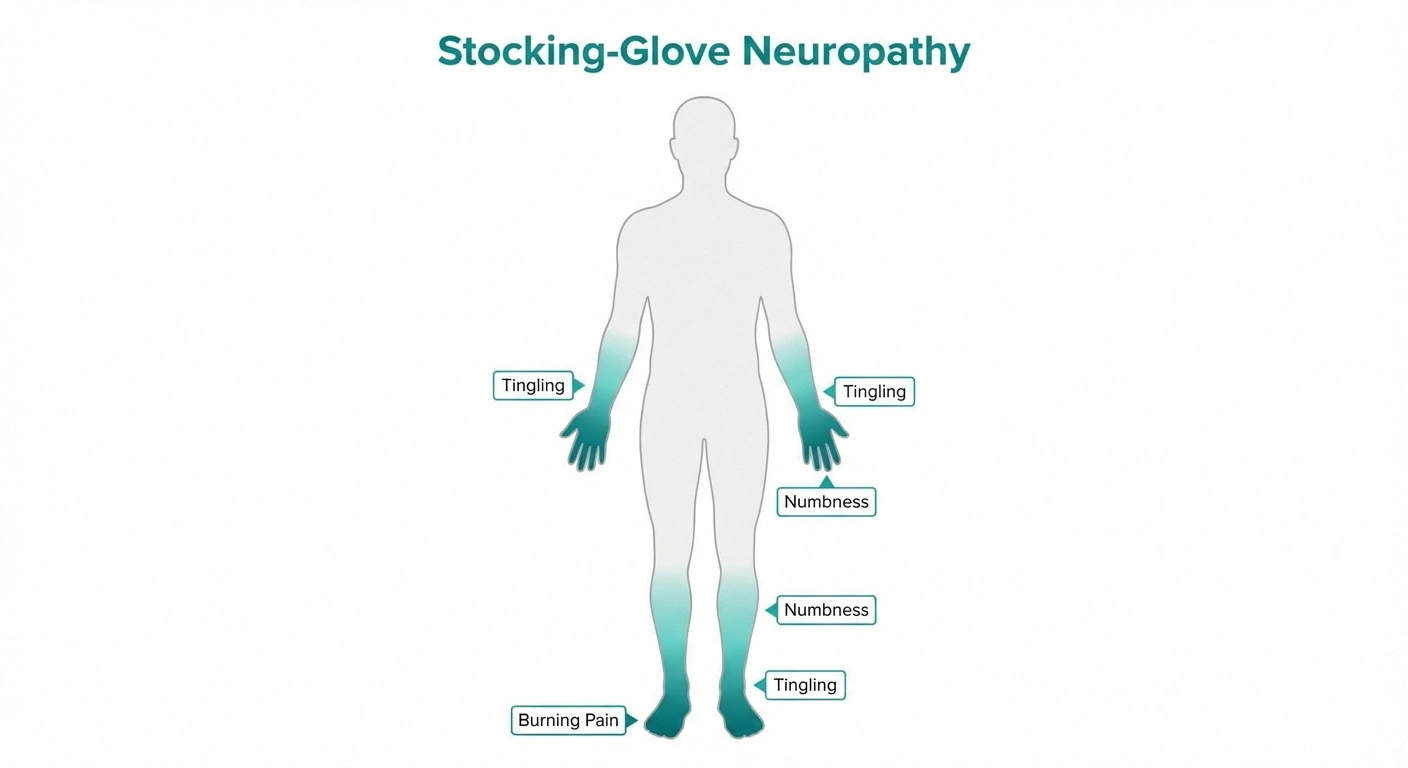
Common symptoms include:
- Numbness or reduced sensation in the feet and hands
- Tingling or “pins and needles” that may be constant or come and go
- Burning pain, especially at night
- Sharp, stabbing, or electric-shock sensations
- Increased sensitivity to touch (even bedsheets may feel painful)
- Muscle weakness, particularly in the feet (which can lead to tripping or difficulty walking)
- Loss of balance and coordination
What sets toxic neuropathy apart from some other forms is that it often comes alongside other signs of toxicity. Depending on the substance involved, you might also experience gastrointestinal symptoms (nausea, vomiting, diarrhea), skin changes, hair loss, fatigue, cognitive difficulties, or vision problems. These “extra” symptoms can actually be helpful clues that point toward a toxic cause.
Is Toxic Neuropathy Reversible?
This is the question that brings most people to this page, and the honest answer is: it depends. But there's genuine reason for hope.
Research consistently shows that toxic neuropathies are typically dose-dependent and reversible given adequate time after the toxic exposure stops. The Mayo Clinic has noted that peripheral nerve fibers can often regenerate, provided the nerve cell body itself hasn't been irreversibly damaged.
What does “reversible” actually look like in practice? For many people, it means:
- Gradual reduction in pain and burning sensations
- Slowly returning sensation in numb areas
- Improved strength and coordination
- Recovery of reflexes
However, “reversible” doesn't always mean “complete return to normal.” Some people recover fully, others recover partially, and in some cases — particularly with prolonged exposure or certain types of damage — some degree of nerve damage may be permanent. If you're interested in the broader question of nerve recovery, our article on whether neuropathy can be reversed provides additional perspective.
Factors That Affect Your Recovery
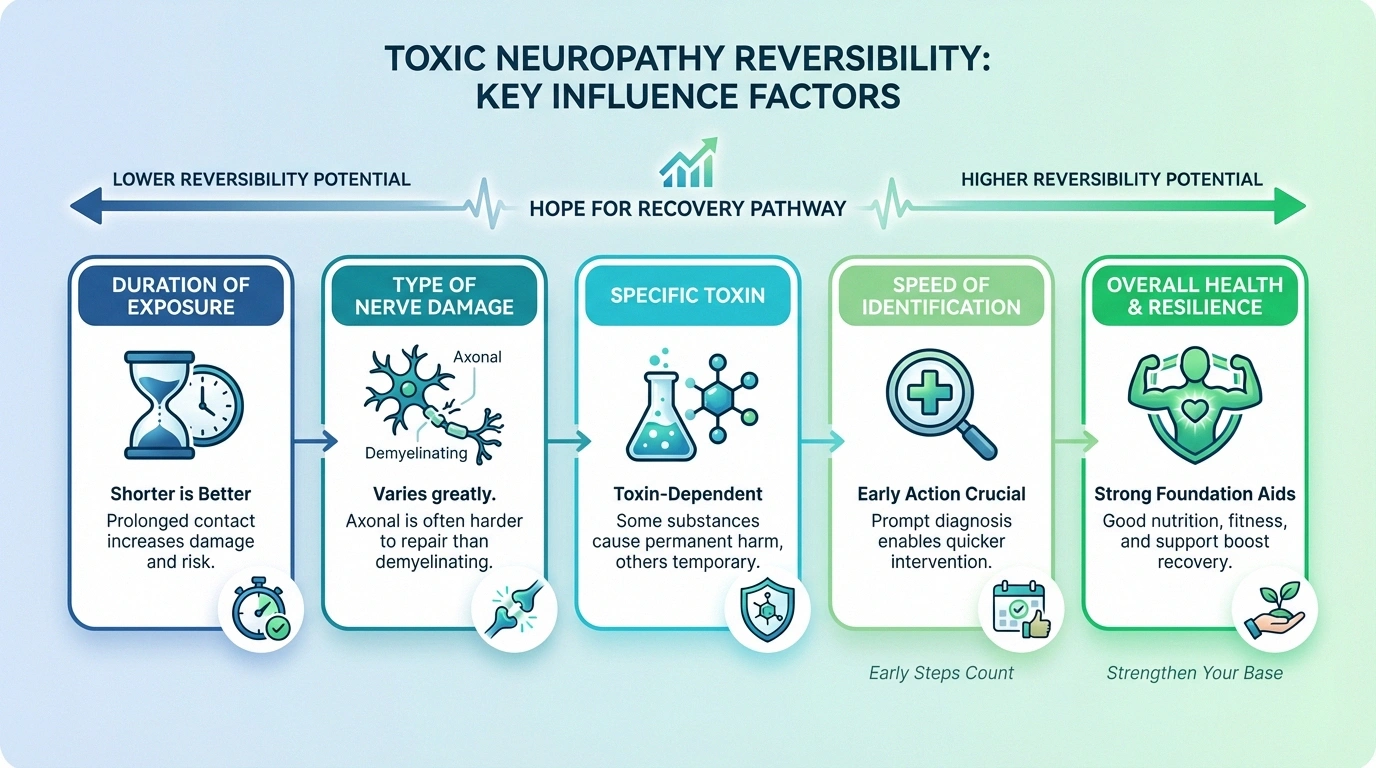
Understanding what influences reversibility can help you have more informed conversations with your healthcare team. Here are the key factors:
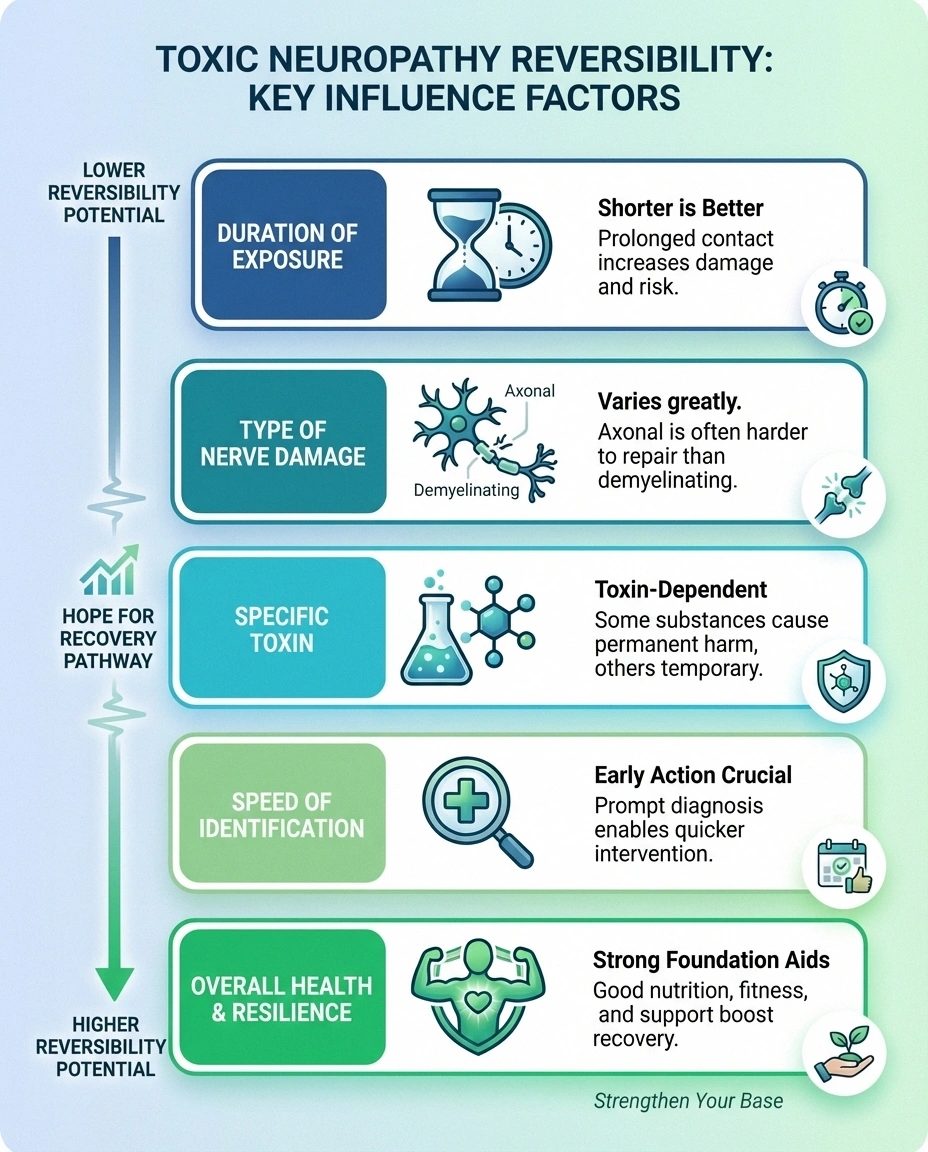
Recovery: Often good — nerve fiber may be intact underneath
Timeline: Weeks to months
Recovery: Possible but slow (1-2mm/day regrowth)
Timeline: Months to years
Recovery: Most difficult — may be permanent
Timeline: Variable, often incomplete
1. Duration of Exposure
This is perhaps the single most important factor. Short-term exposures with prompt removal of the toxic agent generally have the best outcomes. As Medscape's clinical review notes, “high-level, acute exposures are more likely to cause motor neuropathies, and recovery may be complete if termination of exposure is prompt.” Chronic, long-term exposures tend to have poorer prognoses because the cumulative damage is more extensive.
2. The Type of Nerve Damage
Neurologists classify toxic nerve damage into three categories based on where the damage occurs:
- Axonopathy (damage to the nerve fiber itself) — the most common type. Recovery is possible but slow, as nerve fibers regrow at approximately 1-2 millimeters per day.
- Myelinopathy (damage to the protective myelin sheath around nerves) — often has a better prognosis because the underlying nerve fiber may be intact, and remyelination can occur relatively quickly.
- Neuronopathy (damage to the nerve cell body) — the most concerning, as damage to the cell body can be irreversible. Certain chemotherapy drugs like cisplatin and pyridoxine toxicity can cause this type.
3. The Specific Toxin Involved
Some substances are more forgiving than others. Medication-induced neuropathies — including many cases of CIPN — often show improvement after the drug is stopped, according to research published in Practical Neurology. Lead and arsenic neuropathies can also recover well with chelation therapy and removal of exposure. On the other hand, some industrial solvents can cause more stubborn damage.
4. How Quickly the Source Was Identified
Early detection makes a significant difference. The sooner the toxic substance is identified and removed, the less total nerve damage accumulates. This is one reason why it's so important to talk to your doctor if you develop unexplained neuropathy symptoms — especially if you work with chemicals, take multiple medications, or have any unusual exposures.
5. Your Overall Health
People with pre-existing conditions like diabetes, kidney disease, or nutritional deficiencies may have slower or less complete recovery because their nerves are already under stress. Age also plays a role — younger individuals generally have more robust nerve regeneration capacity.
Understanding “Coasting”: Why Symptoms May Get Worse Before They Get Better
One of the most distressing aspects of toxic neuropathy recovery is a phenomenon that neurologists call “coasting.” After you stop the toxic exposure, your symptoms may actually intensify for several weeks before they begin to improve.
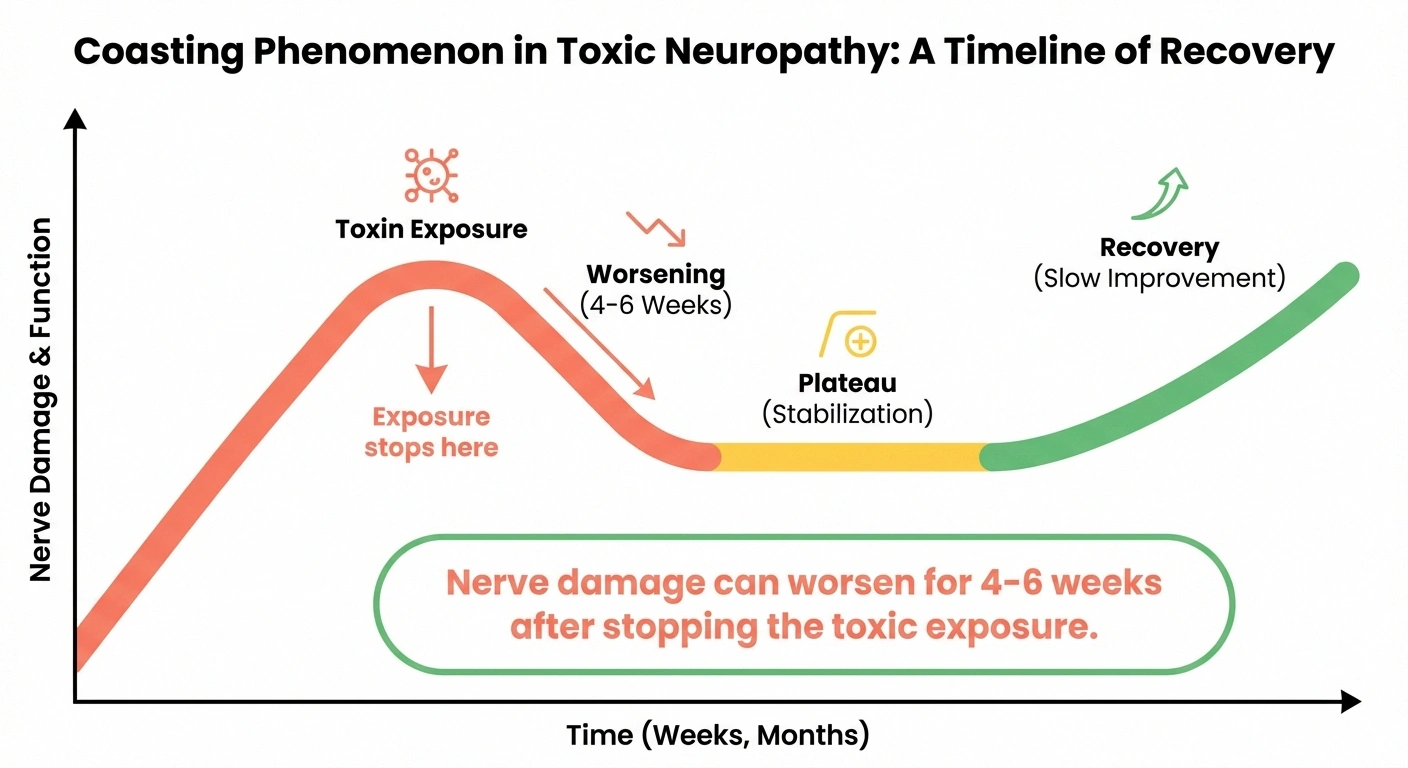
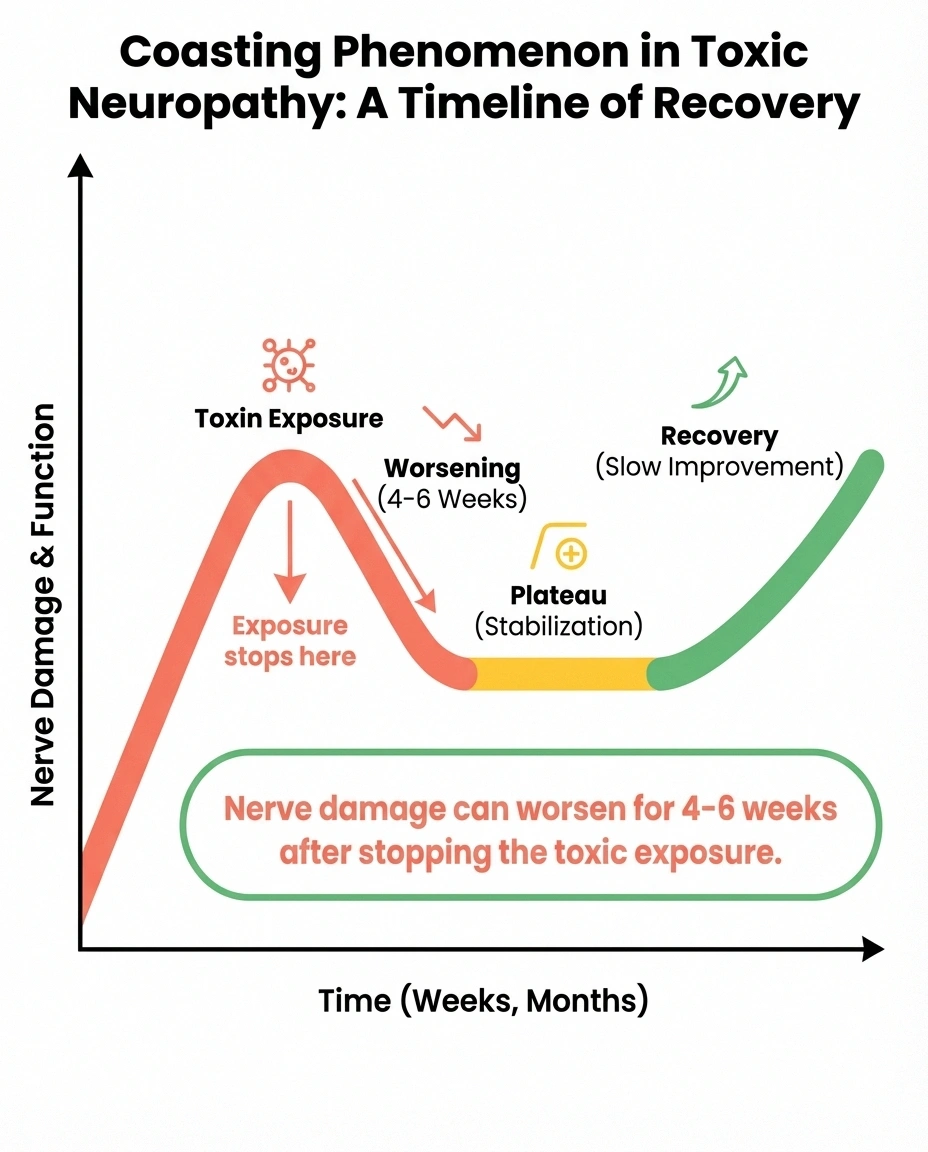
This feels deeply unfair — you've done the right thing by removing the source, and yet you feel worse. But there's a logical explanation: the damage that was “in progress” when exposure stopped continues to play out as already-affected nerve fibers complete their degeneration. Think of it like a sunburn — the damage happens during sun exposure, but the full effect doesn't peak until hours later.
Coasting is well-documented in medical literature and is particularly common with chemotherapy drugs like cisplatin and oxaliplatin. The important thing to know is that coasting doesn't mean recovery isn't happening. It means the final wave of damage is completing before regeneration takes over. If you experience this, tell your doctor so they can adjust your symptom management plan, but try not to lose hope.
How Toxic Neuropathy Is Diagnosed
Diagnosing toxic neuropathy can be straightforward when the exposure is obvious (like chemotherapy) or surprisingly tricky when the source isn't immediately apparent. Your doctor may use a combination of:
- Detailed medical history — including occupational history, medications, supplements, hobbies, and potential environmental exposures
- Neurological examination — testing reflexes, sensation, strength, and coordination
- Nerve conduction studies and electromyography (EMG) — to assess the type and extent of nerve damage
- Blood and urine tests — to check for heavy metals, vitamin deficiencies, and other markers
- Nerve or skin biopsy — in some cases, to evaluate small fiber damage
Getting the right diagnosis matters enormously because treatment starts with identifying and eliminating the source. If you're unsure what to expect from the diagnostic process, our guide on neuropathy diagnosis walks through each step.
Treatment Options for Toxic Neuropathy
There's an important truth about treating toxic neuropathy that bears repeating: as a 2022 research review bluntly states, “no breakthrough treatments have been developed” specifically for toxic neuropathy. Prevention and symptom management remain the standard of care. But that doesn't mean you're helpless — there's quite a lot you can do.
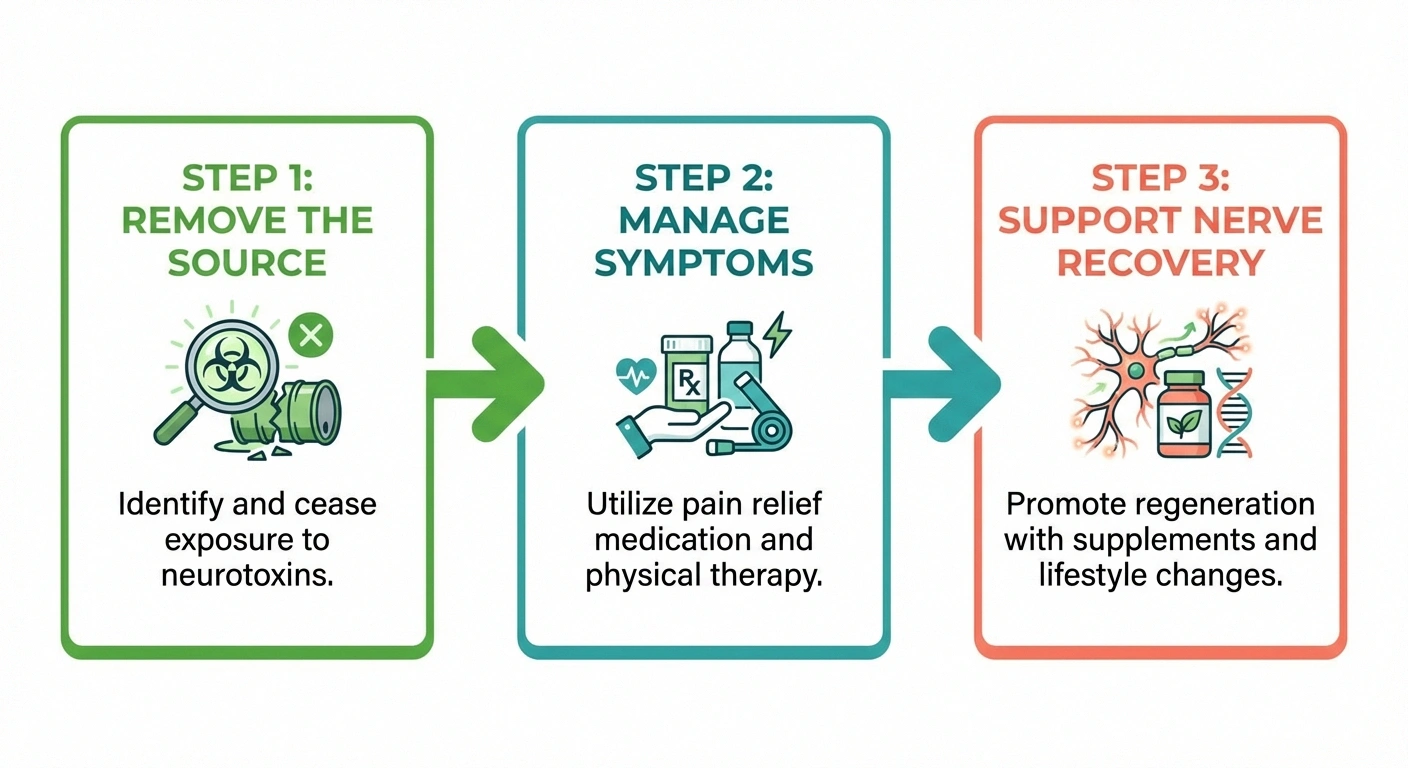
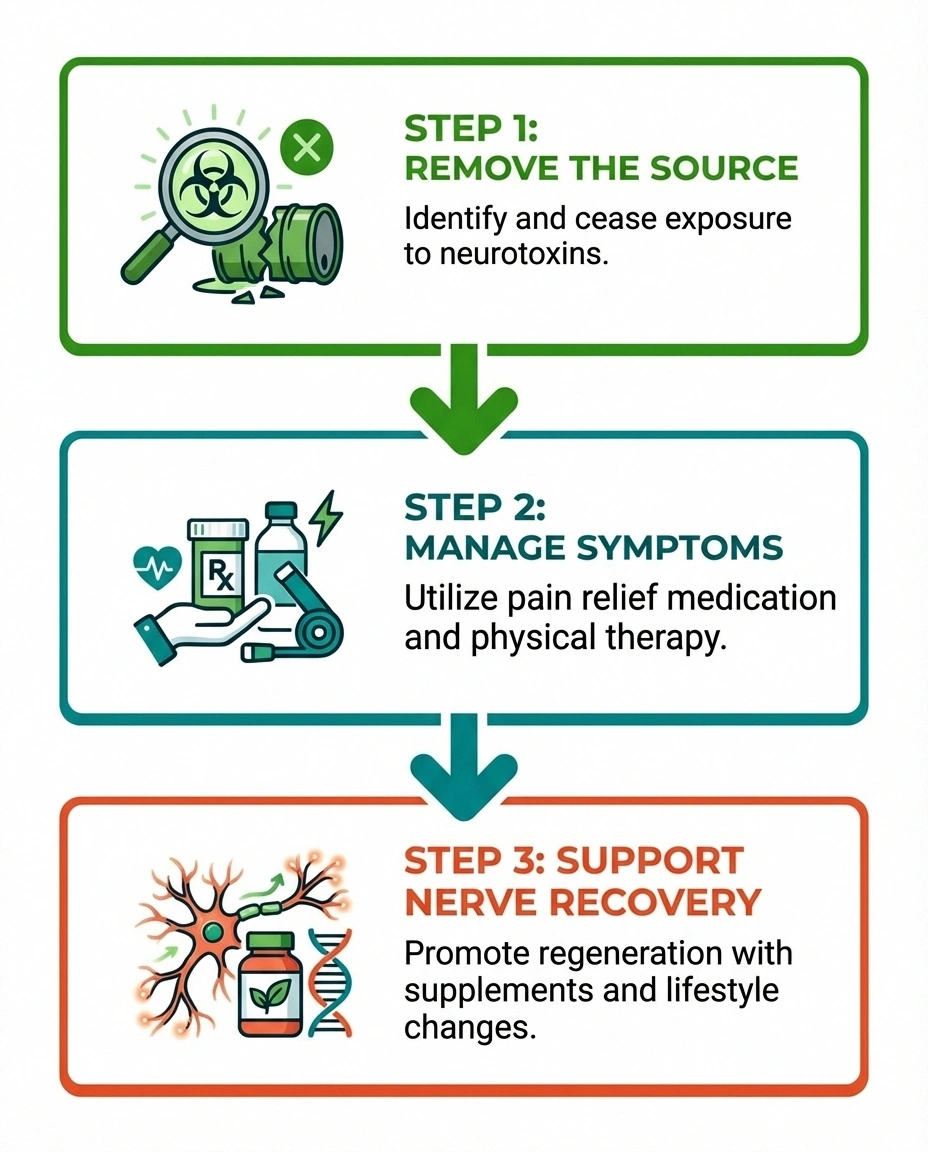
Step 1: Remove the Source
This is the single most important treatment. Whether it means switching medications, stopping alcohol use, improving workplace safety practices, or addressing an environmental exposure, eliminating the toxic source gives your nerves the best possible chance of recovery. Work with your doctor to identify safe alternatives if a necessary medication is causing the problem — never stop prescribed medications on your own.
Step 2: Manage Symptoms
While your nerves are recovering (which may take months to years), managing pain and other symptoms is crucial for quality of life. Options include:
- Medications for nerve pain: Gabapentin, pregabalin, and duloxetine are commonly prescribed to manage neuropathic pain.
- Topical treatments: Lidocaine patches and neuropathy creams containing capsaicin may provide localized relief.
- Over-the-counter pain relief: For milder pain, acetaminophen or NSAIDs may help take the edge off.
- Physical therapy: A physical therapy program can help maintain strength, improve balance, and reduce fall risk during recovery.
Step 3: Support Nerve Recovery
While there's no magic bullet, certain nutritional and lifestyle approaches may support your body's natural nerve repair processes:
- B vitamins: Ensuring adequate B12 and other B vitamins is essential for nerve health. This is especially important if alcohol was the cause, since alcoholic neuropathy is closely linked to thiamine deficiency.
- Alpha-lipoic acid: This antioxidant has shown promise in research for supporting nerve function and reducing oxidative stress. Read our full article on alpha-lipoic acid for neuropathy.
- Acetyl-L-carnitine: Some research suggests this amino acid derivative may support nerve regeneration, particularly in chemotherapy-induced neuropathy.
- Anti-inflammatory diet: Reducing inflammation throughout your body may create a more favorable environment for nerve healing. Our neuropathy diet guide offers practical food choices.
- Regular gentle exercise: Movement improves blood flow to damaged nerves. Even walking regularly can make a meaningful difference.
The Recovery Timeline: What to Expect
One of the hardest parts of toxic neuropathy recovery is patience. Nerves heal slowly — peripheral nerve fibers regrow at roughly 1 to 2 millimeters per day (about an inch per month). For nerves that run from your lower spine all the way to your toes, that's a long journey.
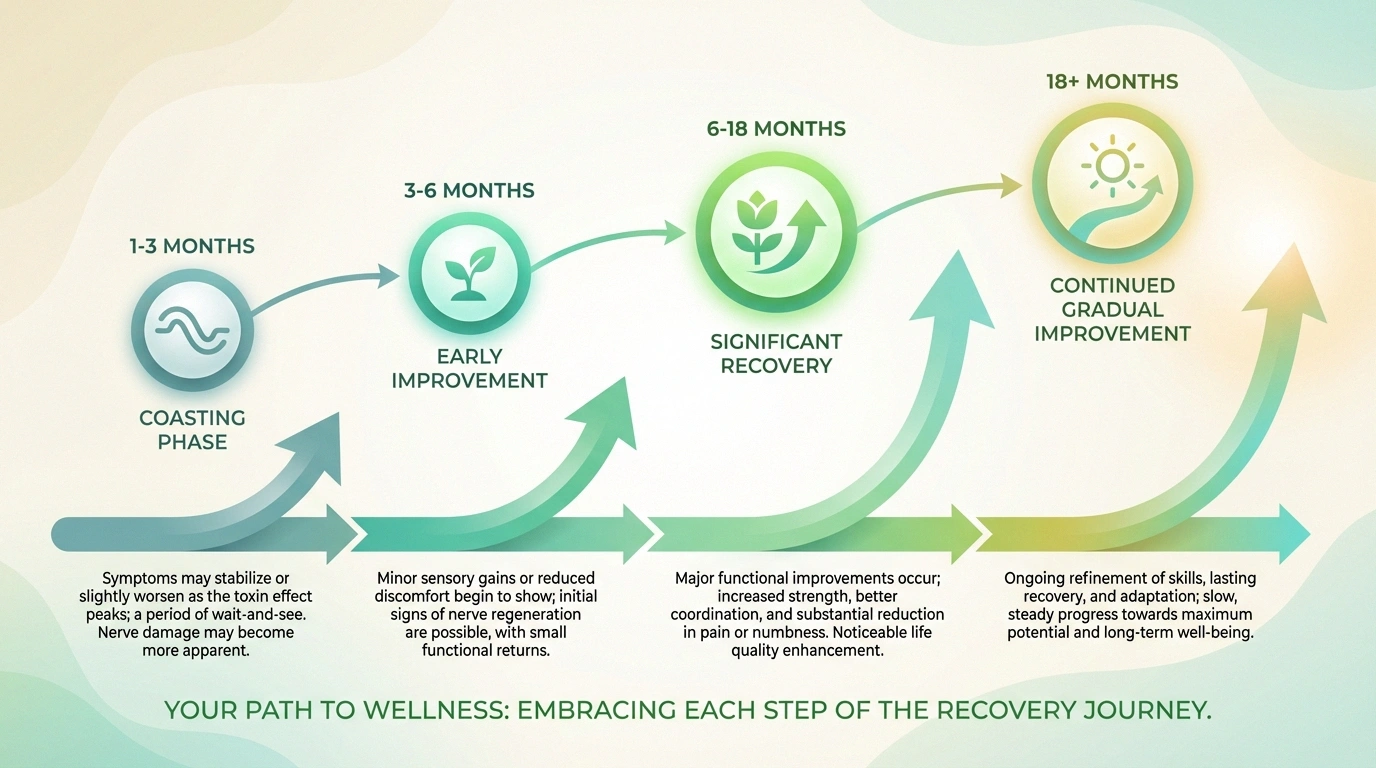
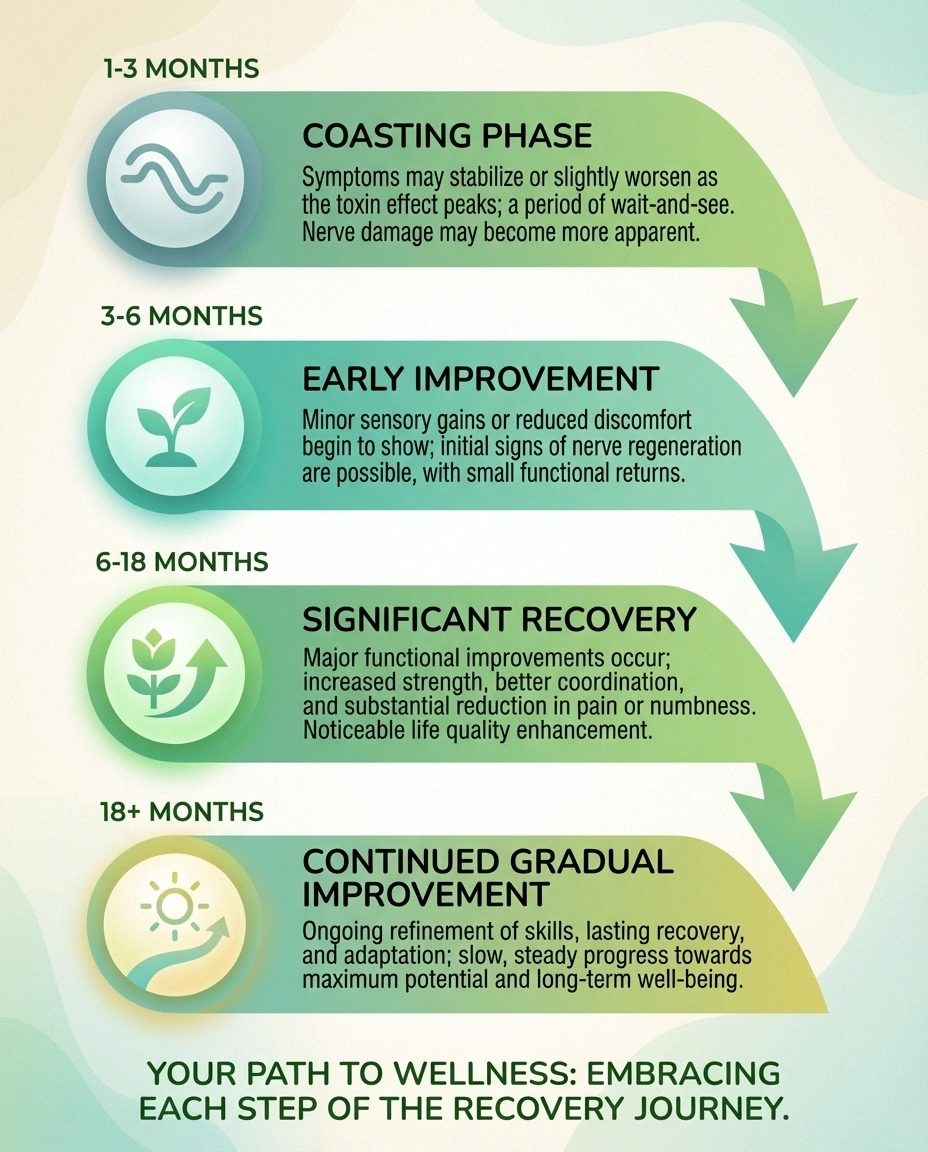
Here's a general framework, though your experience may differ:
- First 1-3 months: Coasting may occur — symptoms could temporarily worsen. Your body is clearing the toxin and beginning the repair process.
- 3-6 months: Many people begin noticing gradual improvements — less burning, slightly better sensation, improved strength.
- 6-18 months: Continued gradual improvement. Recovery is often most noticeable during this window.
- 18 months to several years: For more severe cases, recovery may continue slowly for years. Research published in PubMed confirms that recovery can span months to years after exposure stops.
An important principle to understand: function typically returns in the reverse order of how it was lost. If you lost sensation in your feet first and hands second, expect your hands to recover before your feet. The most recently damaged areas tend to recover first.
Preventing Toxic Neuropathy
Prevention is always better than treatment. If you work with chemicals, take multiple medications, or have other risk factors, these steps can protect your nerves:

☐ Inform your doctor about ALL medications and supplements
☐ Report new tingling or numbness to your healthcare provider promptly
☐ Keep household chemicals stored safely with good ventilation during use
☐ Ask about neuropathy risk before starting new medications
☐ Moderate alcohol consumption
☐ Avoid excessive vitamin B6 supplementation (>100mg/day)
- Use proper protective equipment at work — gloves, respirators, ventilation
- Tell your doctor about all medications and supplements you take, including over-the-counter products
- Report early symptoms immediately — tingling or numbness that's new deserves prompt attention
- Moderate alcohol intake — or seek help if alcohol use is difficult to control
- Be cautious with supplements — more is not always better (especially vitamin B6)
- Store household chemicals safely and use them in well-ventilated areas
- Ask about neuropathy risk before starting new medications, especially chemotherapy
When to See Your Doctor
Don't wait to seek medical attention if you experience:

- New or worsening numbness, tingling, or burning in your hands or feet
- Muscle weakness that affects your ability to walk or grip objects
- Symptoms that started after beginning a new medication
- Neuropathy symptoms combined with other concerning signs (skin changes, hair loss, GI problems)
- Any suspicion of chemical or heavy metal exposure
Early intervention is one of the strongest predictors of good outcomes with toxic neuropathy. The sooner the source is identified and removed, the better your chances of recovery.
Frequently Asked Questions
Can toxic neuropathy be completely cured?
Complete recovery is possible, especially when the toxic source is identified and removed early. However, outcomes vary based on the substance involved, the duration of exposure, and the type of nerve damage. Some people recover fully, while others may have residual symptoms. Working with your doctor to address the cause as quickly as possible gives you the best chance of a full recovery.
How long does it take for nerves to recover from toxic damage?
Nerve recovery is gradual and can take anywhere from several months to several years. Peripheral nerve fibers regenerate at approximately 1 to 2 millimeters per day. Most people notice the most significant improvement between 3 and 18 months after the toxic exposure ends, though mild improvements may continue for years.
Why are my symptoms getting worse after I stopped the exposure?
This is likely the coasting phenomenon, which is well-documented in toxic neuropathies. Nerve damage that was already in progress continues to develop for several weeks after exposure stops, similar to how a sunburn worsens hours after sun exposure. This temporary worsening does not mean your nerves won't recover. Discuss symptom management strategies with your doctor during this phase.
What household products can cause toxic neuropathy?
Several common household products can contribute to nerve damage with prolonged or unprotected exposure, including certain cleaning solvents, pest control products like flea dips and insecticides, antifreeze containing ethylene glycol, some beauty products, and glues containing hexacarbons. Using these products in well-ventilated areas with appropriate protective gear significantly reduces risk.
Is chemotherapy-induced neuropathy the same as toxic neuropathy?
Chemotherapy-induced peripheral neuropathy is a specific type of toxic neuropathy. The chemotherapy drugs are the toxic agent causing the nerve damage. CIPN is actually the most common form of toxic neuropathy in developed countries, affecting up to 68% of patients within the first month after treatment ends. The same general principles of recovery apply, though specific outcomes depend on the chemotherapy drug used.
Can vitamins or supplements help with toxic neuropathy recovery?
Certain nutritional supplements may support nerve recovery, though none are proven cures. B vitamins, particularly B12 and thiamine, are essential for nerve health and may be especially important if the neuropathy involves nutritional deficiencies. Alpha-lipoic acid and acetyl-L-carnitine have shown some promise in research. Always discuss supplements with your doctor, as some can interact with medications or, in the case of B6, actually cause neuropathy in excessive doses.

Should I be worried about the chemicals I use at work?
If you regularly work with solvents, heavy metals, pesticides, or other industrial chemicals and develop symptoms of neuropathy, the connection is worth investigating. Request Safety Data Sheets for chemicals you handle, ensure you have proper protective equipment, and report any new neurological symptoms to both your doctor and your workplace safety officer. Occupational toxic neuropathy is preventable with proper precautions.
The Bottom Line
Toxic neuropathy can feel overwhelming — the word “toxic” alone is enough to make your heart race. But here's what I want you to take away from everything we've covered:
- Many cases of toxic neuropathy are at least partially reversible, and some are fully reversible when the source is identified and removed early.
- The single most important step is working with your doctor to identify and eliminate the toxic exposure.
- Recovery takes time — often months to years — but your nerves do have the capacity to regenerate.
- Coasting is normal, and temporary worsening after removing the source doesn't mean recovery isn't coming.
- You're not powerless — proper nutrition, gentle exercise, symptom management, and patience all play a role in your recovery.
If you suspect a toxic exposure is behind your neuropathy symptoms, please talk to your doctor as soon as possible. Every day of continued exposure is time your nerves don't have. And if you're already on the recovery path, be patient with yourself. Nerve healing is real, but it runs on its own slow timeline. You're doing the right thing by learning about your condition — and that proactive approach makes a genuine difference.
Remember: This article is for educational purposes and reflects my experience as a patient advocate, not medical advice. Always work with your healthcare provider for decisions about your specific situation.
About the Author