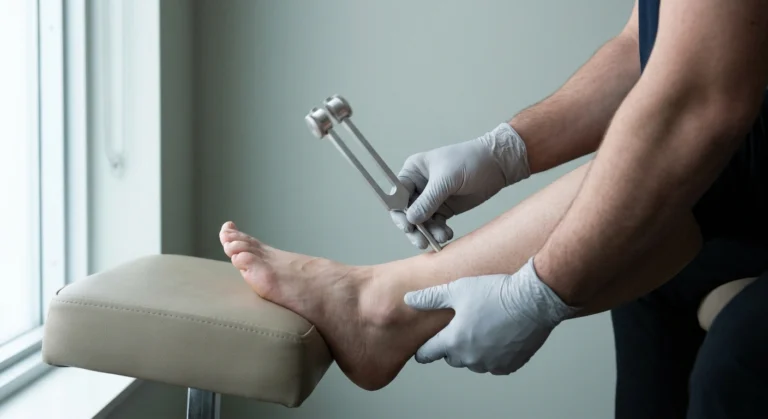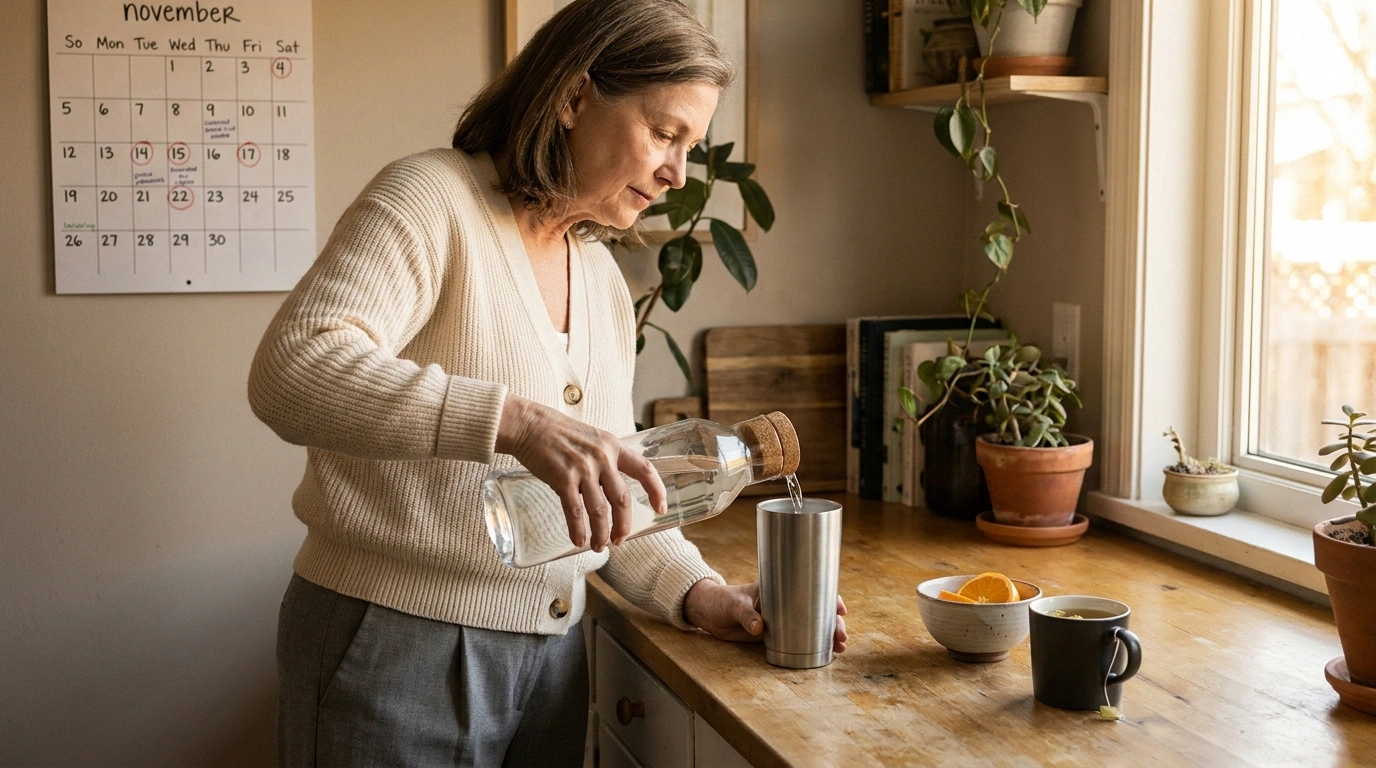
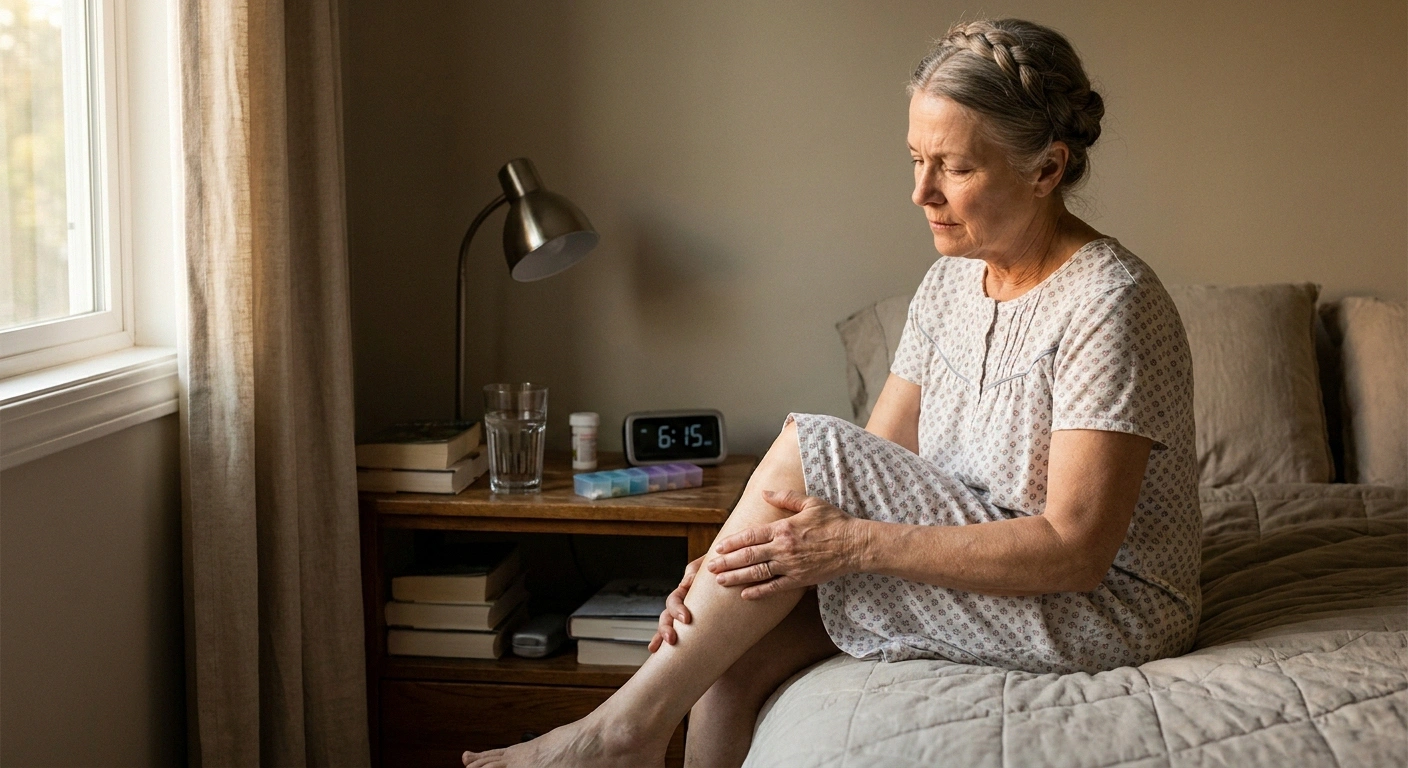
The morning I woke up with a calf cramp that felt like someone had put a hand around my leg and squeezed, I did what many of us with neuropathy do first: I blamed the neuropathy. It took a phone call with my son the next day, in which he asked, casually, “Mom, how much water are you actually drinking?” for me to realize the honest answer was somewhere between two glasses and none. I had been trying so hard to reduce the number of trips to the bathroom overnight — because getting up at 2 a.m. with neuropathic feet is a fall risk I take seriously — that I had quietly stopped drinking enough during the day.
I am Janet Ellis. Hydration is one of those topics that sounds too simple to matter. It is not. For someone with neuropathy, particularly if you also have diabetes, autonomic symptoms, or take medications that affect fluid balance, staying hydrated matters more than for most people your age. It is not a cure for nerve damage. But it changes how the days feel, how the muscles cramp, how the balance holds, and how much extra work the nervous system has to do. This is the practical guide I wish someone had walked me through a decade ago.
Why Hydration Matters More With Neuropathy
Everyone knows staying hydrated is important. For someone with peripheral neuropathy, several specific things get worse when you are running low on fluid.
Adequate hydration will not reverse nerve damage — but chronic mild dehydration silently worsens muscle cramps, nerve-pain flares, dizziness, constipation, and microvascular delivery to nerves. Target 2 to 2.5 liters/day, watch urine color (pale straw = target), front-load fluid in the morning, and ease off 2 to 3 hours before bed to reduce nighttime bathroom-trip fall risk.
Muscle cramps. Cramping is common with neuropathy, particularly in the calves, feet, and hands. Dehydration and the electrolyte imbalances that come with it make cramps more frequent, more intense, and more resistant to easy release. If your neuropathy already comes with occasional cramps, chronic mild dehydration is one of the fastest ways to turn “occasional” into “several times a week.”
Nerve-pain flares. Many patients report that their burning feet, tingling hands, or general nerve-pain intensity is worse on days when they have not drunk enough. The exact mechanism is not fully understood, but the pattern is real and consistent enough that many neuropathy clinicians consider it worth mentioning at every visit.
Blood viscosity and microcirculation. When you are dehydrated, your blood becomes slightly thicker, and your smaller vessels have a harder time delivering oxygen and nutrients through the microvasculature. Peripheral nerves are already dependent on those tiny vessels for their oxygen supply. Adding another obstacle on top of an already-strained system is not something you want to do daily by accident.
Balance and dizziness. Fluid volume affects blood pressure regulation. Neuropathy patients are already at higher risk for balance problems and orthostatic hypotension (dizziness on standing). Dehydration makes both worse. In a person with normal sensation, a moment of light-headedness is uncomfortable. In someone with neuropathic feet that already do not report the ground reliably, that moment is a fall risk.
Constipation. Autonomic neuropathy commonly slows gut motility, and low fluid intake compounds it. Chronic constipation makes life miserable in a way that has nothing to do with the neuropathy itself but is exhausting to layer on top.
Kidney function. Anyone with diabetes or long-term neuropathy is watching kidney function closely. Chronic mild dehydration is not good for kidneys. Adequate hydration supports the specific work the kidneys do to clear metabolic waste, particularly if you are on multiple medications.
What “Enough” Actually Looks Like
The general adult target is somewhere between 2 and 2.5 liters (about 68 to 85 ounces, or 8 to 10 cups) of total fluid per day. That total includes water, tea, coffee, broth, water-rich foods — not just glasses of plain water. Adjustments up if you exercise, live in a hot climate, sweat heavily, or take certain medications. Adjustments down if you have congestive heart failure, advanced kidney disease, or another medical reason your doctor has told you to restrict fluid.
For older adults, the “just drink to thirst” advice does not work well, because thirst sensation weakens with age. Autonomic neuropathy can weaken it further. By the time you actually feel thirsty, you have often already lost meaningful body water. The practical implication: drink on a schedule, not on a signal.
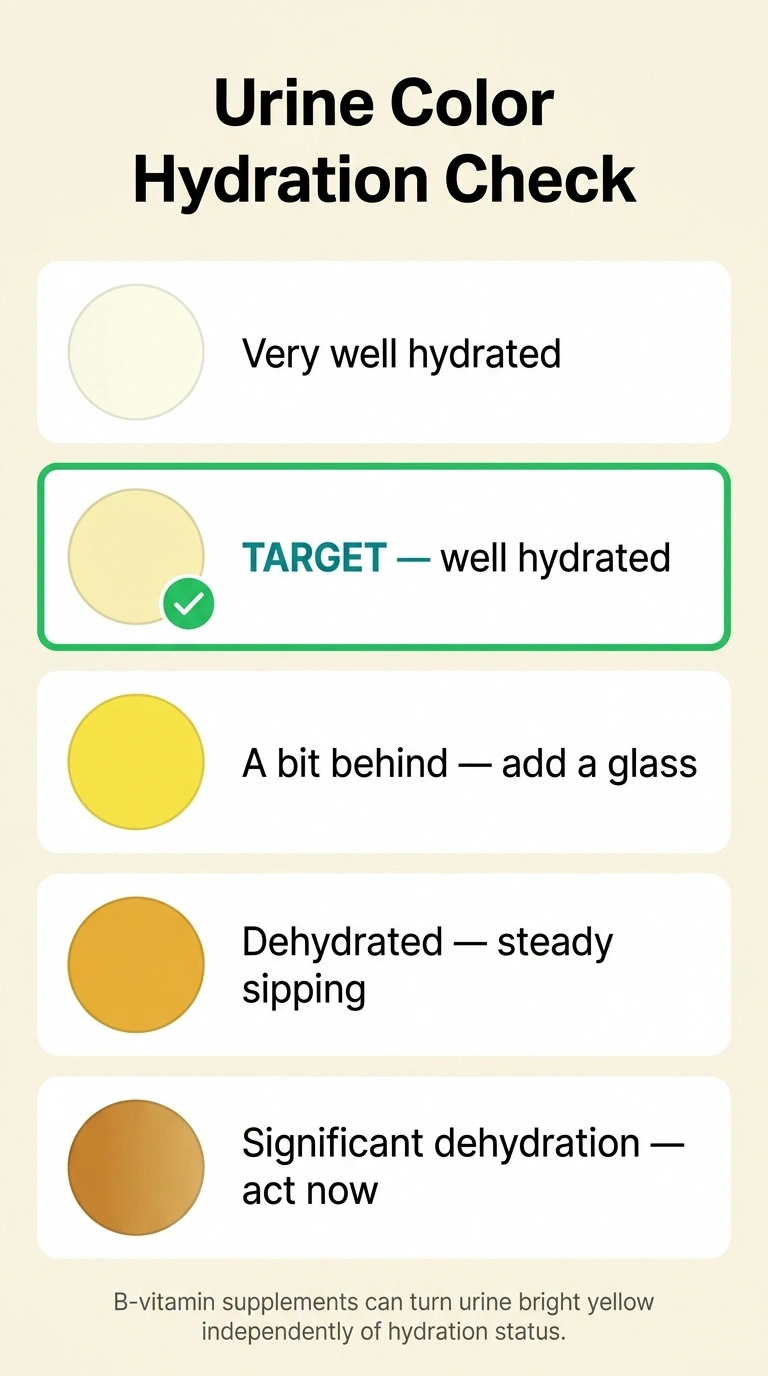
The best single visual check I have found: look at your urine. Pale straw yellow is target. Dark yellow to amber is a warning that you are behind. Nearly colorless is fine and probably means you are drinking plenty. This check is more reliable than counting ounces and works whether you are at home, traveling, or anywhere in between.
The Timing That Matters for Neuropathy Patients
How you spread your fluid across the day matters as much as the total amount. For anyone with neuropathy, particularly older adults with foot-numbness fall risk, timing needs a little more thought than a healthy 30-year-old’s does.
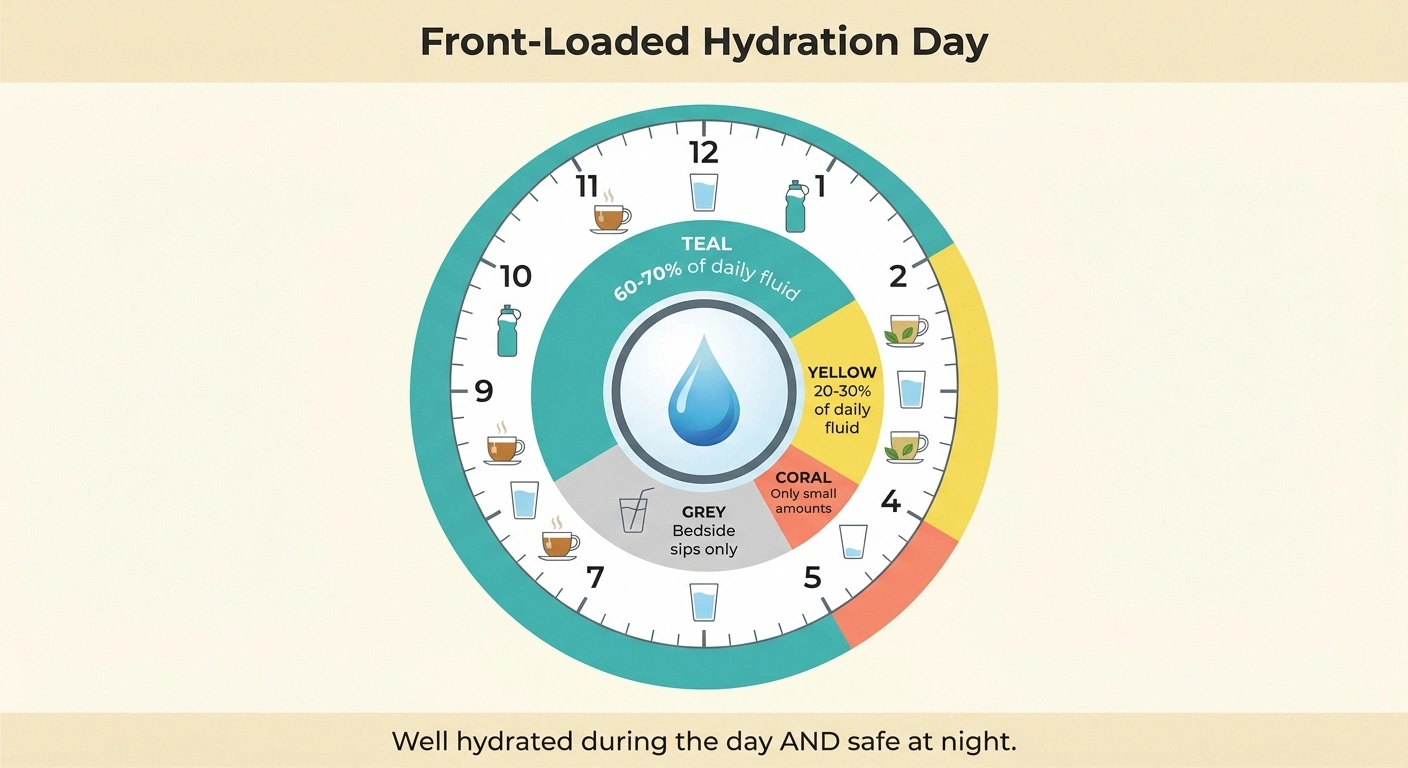
Redistribute rather than restrict. Well-hydrated during the day AND safe at night is the goal.
Start the day well. A glass of water first thing in the morning, before coffee or tea, replaces some of what you lost overnight and starts the day at a better baseline. Aim for 12 to 16 ounces — a full mug or a standard water bottle. Some people find warm water with a squeeze of lemon goes down easier than cold; the temperature does not matter for hydration.
Sip through the day, do not chug. Large amounts of fluid at once are less efficient than steady sipping. Your kidneys process a large slug of water by clearing it quickly, meaning more of it becomes urine and less of it actually rehydrates you. Small amounts every 30 to 60 minutes keeps a steady supply reaching your tissues.
Front-load the earlier half of the day. Getting more of your fluid intake in during the morning and early afternoon reduces the number of times you need to get up at night. This matters for neuropathy patients specifically. Middle-of-the-night bathroom trips on unsteady feet in dim light are one of the most common fall scenarios for older adults.
Ease off in the evening. Slow your fluid intake in the last 2 to 3 hours before bed. Not to zero — a small amount of water at bedside for waking dry mouth is fine — but the bulk of the day’s hydration should be in already. If you find yourself parched at bedtime, that is a signal to redistribute earlier, not to skip.
The Salt Question
Salt gets a bad reputation in general health conversations, but the picture is more complicated for neuropathy patients with certain overlapping conditions.
If you have autonomic neuropathy with orthostatic hypotension — meaning your blood pressure drops when you stand up, and you feel dizzy or nearly faint doing so — your doctor may specifically recommend more salt in your diet, not less, along with more fluid. The classic recommendation is around 6 to 10 grams of salt per day (about 2,400 to 4,000 mg of sodium) combined with 2 to 3 liters of fluid. This holds volume in your circulation and reduces the pressure drop. Any change like this should be discussed with your doctor, particularly if you also have high blood pressure or heart failure, but for orthostatic hypotension specifically, salt is often part of the answer.
If you sweat heavily from exercise, hot weather, or autonomic neuropathy that produces excess sweating in some areas, plain water alone is not always enough. You lose electrolytes with sweat. A pinch of unrefined salt in a large glass of water, a low-sugar electrolyte drink, or an electrolyte tablet can help you replace what you lost, especially if you notice muscle cramps clustering on days when you sweated a lot.
Check first thing in the morning is a good baseline. Vitamin B supplements can turn urine bright yellow independently of hydration status — factor that in if you take them.
If you have normal blood pressure and normal kidney function, most adults do not need to actively add salt. But you do need to include some sodium — usually from your normal diet — for hydration to work properly. Drinking large amounts of pure water with almost no sodium can actually push electrolytes out of balance in the other direction, particularly in older adults on diuretics.
If you have high blood pressure or heart failure, salt restriction is important and you should follow your doctor’s specific guidance. In this case, hydration comes from water and low-sodium sources; the electrolyte replacement question becomes more nuanced and should be handled with your care team.
Beverages That Help and Beverages That Undermine
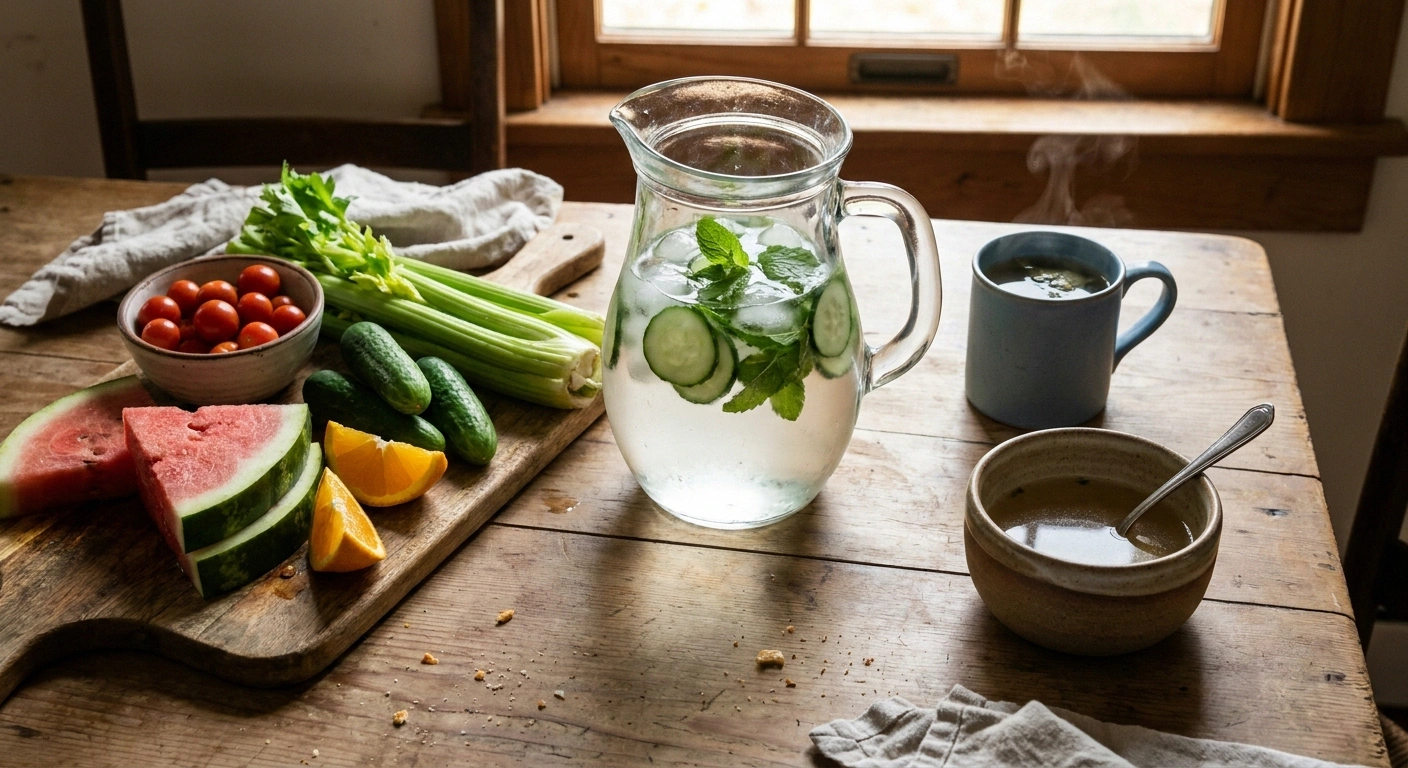
Not all fluids count equally. Here is a practical breakdown for a neuropathy day.
| Beverage | Counts? | Notes |
|---|---|---|
| Plain water | ✓ Foundation | Filtered, sparkling, cold or room temp — whatever you’ll drink. |
| Herbal tea (no caffeine) | ✓ Yes | Chamomile, peppermint, rooibos, ginger, hibiscus. |
| Broth / soup (low-sodium) | ✓ Yes | Fluid plus electrolytes. Especially useful in winter. |
| Water-rich foods | ✓ Yes | Cucumber, watermelon, oranges, celery, cantaloupe (all 90%+ water). |
| Coffee / caffeinated tea | Partly | Mild diuretic but net-positive fluid. Add a water glass alongside. |
| Alcohol | ✗ Dehydrating | Match each drink with a full glass of water; do not count toward hydration total. |
| Sugary sports/soda drinks | Skip daily | Sugar load usually undesirable. Choose low-sugar electrolyte drinks if replacing sweat losses. |
Water is the foundation. Plain, filtered, sparkling, room-temperature, iced — whichever you will actually drink. If plain water tastes boring, add cucumber, lemon, lime, mint, or a small splash of unsweetened juice. Some people find adding a pinch of unrefined salt makes water taste “wetter” and more satisfying.
Herbal teas without caffeine count as hydration. Chamomile, peppermint, rooibos, ginger, and hibiscus are all good options. Warm herbal tea in the evening is one of my favorite ways to add a bit more fluid without stimulating anything before bed.
Low-sodium broth and soups deliver both fluid and modest electrolytes and are especially useful in colder months when cold water feels less appealing. Homemade bone broth is popular in many neuropathy support groups and is a fine hydration source, though its specific “healing” claims are overstated.
Water-rich foods contribute to your total intake. Cucumbers are 96 percent water. Watermelon, celery, tomatoes, oranges, cantaloupe, lettuce, and zucchini are all above 90 percent. Fresh fruit and vegetables count.
Coffee and tea count as fluid too, contrary to popular belief. The mild diuretic effect of caffeine does not fully offset the fluid coming in. That said, if coffee or tea is your only fluid intake for hours, add a glass of water alongside.
Alcohol is genuinely dehydrating. If you are drinking any alcohol, match each drink with a full glass of water, and do not count the alcoholic beverage as part of your hydration total. For neuropathy patients specifically, alcohol has its own separate cautions — see our page on alcoholic neuropathy for more.
Sugary beverages — soft drinks, sweetened iced teas, most sports drinks, juice drinks — hydrate you slightly but add sugar and calories that most neuropathy patients (particularly those with diabetes or prediabetes) do not need. If you are using an electrolyte drink for cramping or heat, choose the low-sugar or zero-sugar version.
Medications That Affect Your Hydration Needs
Several medications common in neuropathy patients change the hydration equation. Worth knowing which ones apply to you.
- Diuretics (hydrochlorothiazide, furosemide, spironolactone) — increase urine output by design
- SGLT2 inhibitors (Jardiance, Farxiga, Invokana) — increase urine output as part of glucose-lowering mechanism
- Metformin — dehydration can worsen kidney function on this drug
- Laxatives for autonomic constipation — need adequate fluid to work
- Blood pressure meds at higher doses — can amplify orthostatic hypotension when dehydrated
- Duloxetine, tricyclics — dry mouth may trick you into feeling parched even when adequately hydrated
Diuretics (hydrochlorothiazide, furosemide, spironolactone) increase urine output by design. If you take one, you need slightly more fluid intake to maintain balance, plus attention to electrolyte replacement if your doctor has recommended it.
SGLT2 inhibitors for diabetes (empagliflozin/Jardiance, dapagliflozin/Farxiga, canagliflozin/Invokana) also increase urine output as part of how they work. Patients on these drugs need to stay ahead of their fluid intake, particularly during illness, heat, or exercise, and are at higher risk for dehydration if they do not.
Metformin (Glucophage) does not directly cause dehydration but can worsen kidney function if you become significantly dehydrated. Keeping steady fluid intake protects kidney function on this medication.
Laxatives used for constipation from autonomic neuropathy require adequate fluid to work correctly and can worsen dehydration if you are underhydrated.
Some blood pressure medications, particularly at higher doses, can amplify orthostatic hypotension when combined with dehydration. If you already feel lightheaded on standing, keeping steady hydration is part of managing it.
Certain neuropathic pain medications (duloxetine, tricyclics, some others) can cause dry mouth, which can trick you into feeling parched even when you are drinking adequate fluid. Sipping small amounts throughout the day helps more than large drinks all at once.
The Overnight Bathroom Trip Dilemma
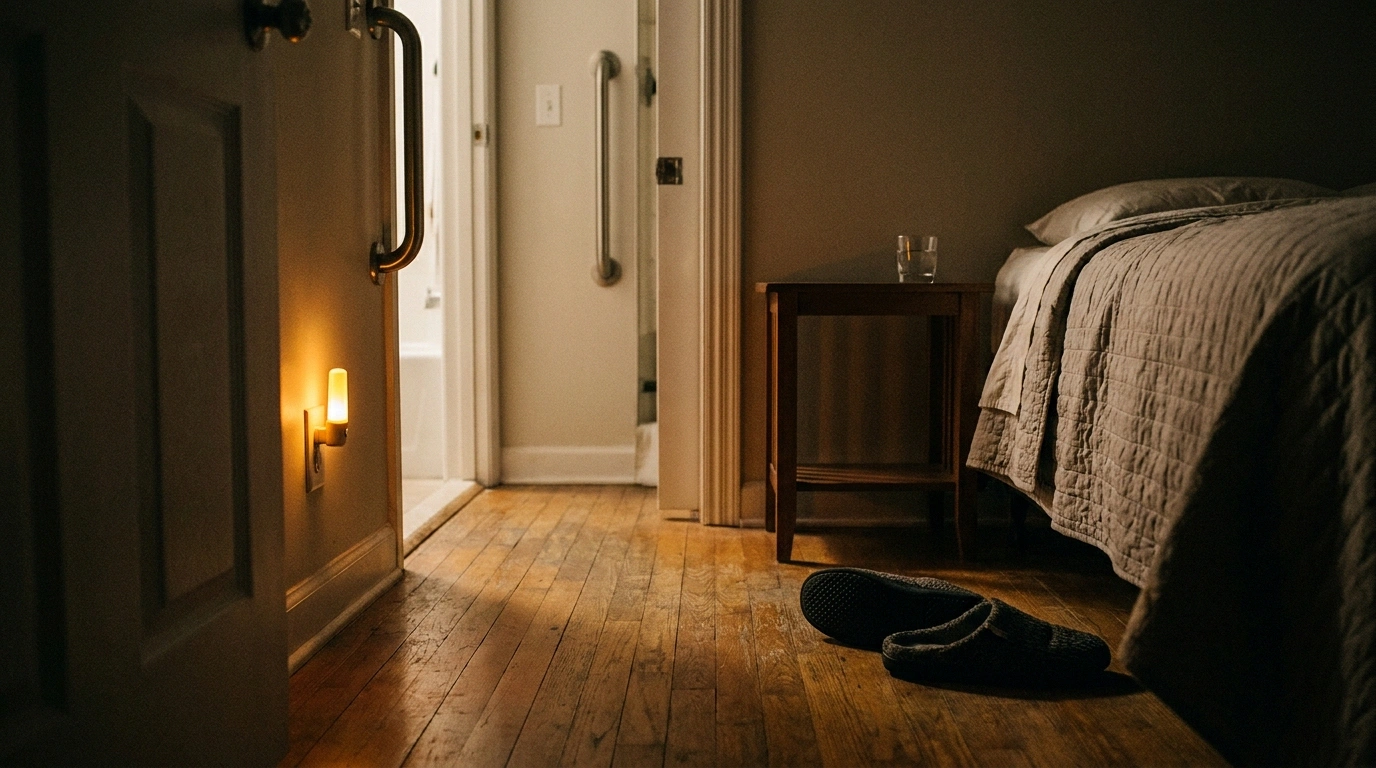
This is the specific tradeoff that pushed me toward chronic mild dehydration for years, and I want to address it directly because I know I am not alone.
Neuropathy in the feet plus fall risk plus a middle-of-the-night bathroom trip plus a dimly lit bedroom equals a real concern. Many patients respond by simply drinking less in the evening — which works to reduce nighttime trips but creates the daytime dehydration that undermines a whole set of other things.
Better strategies:
- Redistribute rather than restrict. Aim for 60 to 70 percent of your daily fluid intake in the morning and early afternoon, 20 to 30 percent in the late afternoon and early evening, and only a small amount in the last 2 to 3 hours before bed.
- Make the nighttime path safer. Nightlights along the bedroom-to-bathroom route, no loose rugs, grab bars where useful, a bedside commode if walking to the bathroom in the dark is genuinely risky. Our page on neuropathy and fall prevention covers this in more detail.
- Wear supportive slippers, not slip-on shoes, for nighttime trips. Slippers with a real sole, non-slip bottom, and a secured heel are safer than slip-ons that can turn under the foot.
- Address the bladder side if it is a persistent problem. If nighttime urination is very frequent (more than once or twice), talk to your doctor. Some patients benefit from evaluation for prostate issues, overactive bladder, or diuretic timing adjustments rather than simply drinking less.
The goal is to keep you well-hydrated during the day AND safe at night — not to trade one for the other.
Signs You Are Not Drinking Enough
The classic sign of dehydration is thirst, but as noted above, thirst is not reliable in older adults or in autonomic neuropathy. Better indicators:
- Dark yellow or amber urine
- Urinating less than 4 times a day
- Dry mouth, dry lips, dry eyes
- Headache in the afternoon
- Fatigue that does not match your activity level
- Muscle cramps clustering more than usual
- Constipation
- Dizziness on standing that is worse than usual
- Skin that stays “tented” when pinched on the back of your hand
Any of these are a signal to increase fluid intake steadily over the next 24 hours. Not chug — steady sipping.
When to Talk to a Doctor
Most hydration issues in neuropathy patients respond to simple daily adjustments. But some situations need more than a bigger water bottle.
Talk to your doctor if:
- You have persistent orthostatic hypotension despite good hydration (you may need medications like midodrine or fludrocortisone in addition)
- You have swelling in your legs, sudden weight gain, or shortness of breath (could indicate fluid retention from heart or kidney issues)
- You have significant nighttime urination that is not improved by redistributing fluid intake
- You are on medications and unsure how they interact with your hydration needs
- You have chronic kidney disease and are unsure how much fluid is right for you
- You have diabetes with poor glucose control (very high blood sugar causes osmotic diuresis and requires more careful hydration management)
Adequate hydration is not something to figure out alone if your health picture is complicated. It should be a normal topic at your regular appointments.
The Small Practices That Add Up
Here are the specific practices that made hydration something I actually do rather than something I keep meaning to do.
- Keep water visible. A glass bottle or insulated tumbler that stays with me — on the kitchen counter, on my desk, on the coffee table. Out of sight really is out of mind.
- Anchor hydration to existing habits. A glass of water with each meal. A glass when I take morning medications. A glass when I sit down with my afternoon book. A cup of herbal tea while cooking dinner.
- Track for a week if you are not sure. Not forever. Just long enough to see what your actual baseline is. Most people are surprised at how much less they drink than they thought.
- Choose a bottle you like. A pretty glass, a favorite mug, a tumbler with a straw — whatever makes you reach for it. This is a small thing that turns out to matter.
- Have a plan for when you leave the house. A bottle in your bag or the car. A stop planned if you know you will be out for hours.
- Adjust for the weather. Hot days, higher intake. Heated indoor air in winter — also drying, also higher intake needed.
- Adjust for exercise. If you walked more, gardened, cleaned house, or did anything that made you warm — add a glass.
None of this is exotic. All of it makes a real difference in how the neuropathy days feel.
Where Hydration Fits in the Neuropathy Picture
Staying hydrated is one small everyday practice among many that add up to living better with neuropathy. It sits alongside eating well, moving regularly, taking helpful supplements like magnesium if muscle cramps are frequent, protecting your feet, and taking care of your mental health (see our page on neuropathy and mental health). None of these alone is enough. All of them together shift the daily experience.
If you take one thing from this piece, let it be this: the small things really do compound. Adequate hydration is not going to reverse your nerve damage. It will not stop the burning in your feet. It will not eliminate the cramps or the balance problems. What it will do is remove one steady, silent drag on your body’s ability to cope with the neuropathy it already has. That drag is real, and getting rid of it is one of the cheapest, easiest wins available. Fill the glass. Pale yellow urine. Sip through the day. Front-load the morning. Ease off before bed. These are five sentences. They will make more difference than most of us give them credit for.
Frequently Asked Questions
How much water should someone with neuropathy drink each day?
The general adult target is 2 to 2.5 liters (68 to 85 ounces, or 8 to 10 cups) of total fluid per day, adjusted up for exercise, heat, or certain medications like SGLT2 inhibitors and diuretics. Patients with congestive heart failure or advanced kidney disease may need to restrict fluid on their doctor’s advice. The best real-time check is urine color: pale straw yellow is target, dark yellow is a warning.
Can dehydration make neuropathy pain worse?
Yes, in most patients. Dehydration is commonly associated with more frequent and intense nerve-pain flares, more muscle cramping, worse dizziness on standing, and reduced blood delivery to peripheral tissues through the microvasculature. While hydration does not fix the underlying nerve damage, chronic mild dehydration is one of the fastest ways to make an existing neuropathy feel worse.
Should someone with neuropathy drink less water at night to avoid bathroom trips?
Better to redistribute than restrict. Aim for 60 to 70 percent of daily fluid intake in the morning and early afternoon, 20 to 30 percent in the late afternoon and early evening, and only a small amount in the last 2 to 3 hours before bed. Combine that with a safe nighttime bathroom path (nightlights, secure slippers, no loose rugs) rather than simply drinking less overall.
Do coffee and tea count toward daily hydration?
Yes. The mild diuretic effect of caffeine does not fully offset the fluid coming in. Regular coffee and tea count toward the daily total. That said, if coffee or tea is your only fluid intake for several hours, add water alongside to balance the mild diuresis and prevent stealth dehydration.
What are the best drinks besides water for someone with neuropathy?
Herbal teas without caffeine (chamomile, peppermint, rooibos, ginger, hibiscus) are excellent. Low-sodium broths and soups add fluid plus modest electrolytes and are especially useful in winter. Water-rich foods (cucumber, watermelon, oranges, celery, cantaloupe) contribute to the total. Regular coffee and tea count. Avoid sugary sports drinks and soft drinks as daily hydration sources.
Does adding salt help hydration for neuropathy patients?
It depends on your specific picture. If you have autonomic neuropathy with orthostatic hypotension (blood pressure drops on standing), your doctor may specifically recommend more salt (about 6 to 10 grams per day) plus more fluid. If you sweat heavily, a pinch of salt or an electrolyte tablet helps replace what you lost. If you have normal blood pressure and no orthostatic issues, most adults do not need to add salt actively. If you have high blood pressure or heart failure, follow your doctor’s salt-restriction guidance and get electrolyte-replacement guidance from your care team.
Can dehydration cause muscle cramps in neuropathy patients?
Yes, dehydration is one of the most common triggers for muscle cramps in general and especially in neuropathy patients who already have baseline cramping susceptibility. The mechanism involves both fluid volume and electrolyte balance (particularly sodium, potassium, and magnesium). Steady daily hydration, adequate dietary sodium (unless restricted), and often magnesium supplementation are the first-line responses. See our page on magnesium for neuropathy for more on that piece.
How do you know if an older adult with neuropathy is dehydrated?
Thirst is not a reliable signal in older adults or in autonomic neuropathy. Better indicators include: dark yellow or amber urine, urinating fewer than 4 times a day, dry mouth and lips, afternoon headaches, fatigue out of proportion to activity, more frequent muscle cramps, constipation, worsened dizziness on standing, and skin that stays “tented” when pinched on the back of the hand. Any of these is a signal to increase fluid intake steadily over the next 24 hours, not to chug large amounts at once.
About the Author