When I started looking into supplements for nerve health, CoQ10 wasn’t the first one anyone mentioned. B12 came up immediately. So did alpha-lipoic acid. But the more I dug into the research, the more CoQ10 kept appearing in studies about nerve protection, nerve regeneration, and why certain people with neuropathy seem to get dramatically worse after starting a particular medication.
That medication, it turns out, is often a statin. And the common thread is coenzyme Q10.
Here’s what I’ve learned about this supplement, what the research actually shows, and whether it might be worth discussing with your doctor if you’re living with nerve damage.
What Is CoQ10 and Why Do Nerves Need It?
Coenzyme Q10 — also called CoQ10, coenzyme Q, or ubiquinone — is a fat-soluble compound your body naturally produces. It’s found in every cell in your body, but it’s most concentrated in tissues that burn a lot of energy: your heart, your liver, your kidneys, and yes, your nervous system.
Key Takeaway
CoQ10 does two jobs nerve cells desperately need: it powers mitochondrial energy production and neutralizes the oxidative stress that damaged nerves generate. Both functions make it a logical target for neuropathy research.
CoQ10 does two critical jobs:
First, it powers your cells. Inside each cell’s mitochondria — the energy factories — CoQ10 acts as an electron carrier in the respiratory chain. Electrons hop from one protein complex to the next, generating ATP (the energy currency of your cells). Without CoQ10 shuttling electrons between complexes I, II, and III, this energy production grinds to a halt.
Second, it protects your cells. CoQ10 is one of the most potent fat-soluble antioxidants in the human body. Neurons generate enormous amounts of oxidative stress as they work — and when nerves are damaged, that oxidative burden increases dramatically. CoQ10 neutralizes free radicals before they can damage cell membranes, DNA, and the mitochondria themselves.
Nerve fibers are extraordinarily long cells — some axons in the legs stretch over three feet from cell body to nerve ending. Getting energy and protection all the way down those fibers requires efficient mitochondrial function. When CoQ10 levels drop, nerve cells feel it.
How CoQ10 Levels Decline — And Why It Matters
Your body produces CoQ10 through a complex biosynthesis pathway. Peak production happens around age 20, then levels gradually decline throughout adulthood. By the time you reach your 60s and 70s — the decades when peripheral neuropathy is most common — CoQ10 production may be 30-50% lower than it was in early adulthood.
30–50%
Estimated decline in CoQ10 production by the time a person reaches their 60s–70s — the same decades when peripheral neuropathy is most commonly diagnosed.
Three factors accelerate this decline:
Age: Simply getting older reduces CoQ10 synthesis. Older tissues also show impaired uptake of CoQ10 from supplements, which is why the form of CoQ10 you take matters — more on that shortly.
Chronic disease: Diabetes, heart disease, and several autoimmune conditions are associated with reduced CoQ10 levels. People with diabetic neuropathy often show measurably lower CoQ10 than people with diabetes who haven’t yet developed nerve damage.
Statin medications: This one deserves its own section, because it’s more significant than most people realize.
Statins, CoQ10, and Nerve Damage
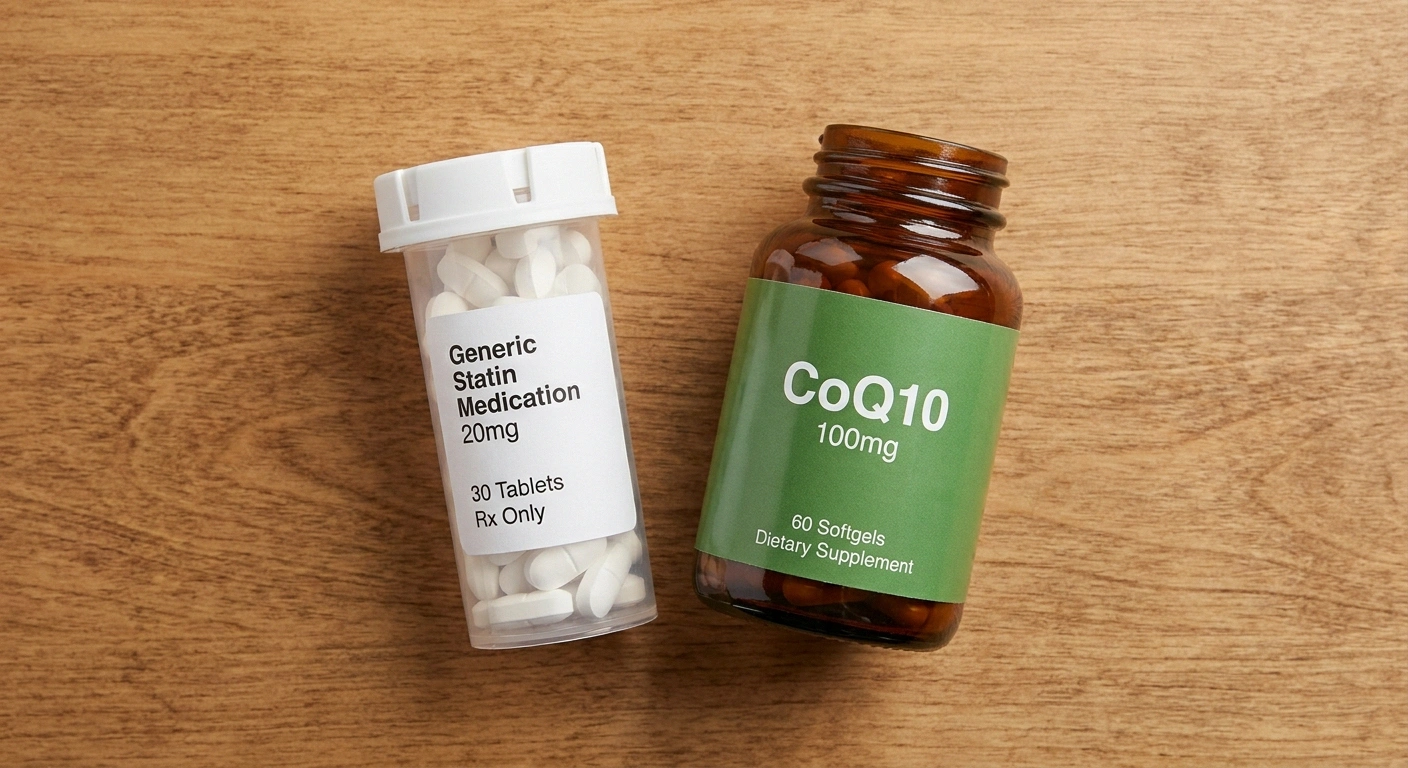
Statins work by blocking an enzyme called HMG-CoA reductase — the same enzyme that produces cholesterol. What most people don’t realize is that CoQ10 is made through the same biochemical pathway. Block cholesterol production, and you also block CoQ10 synthesis.
Important: Statin Users
Statins block the same metabolic pathway that produces CoQ10 — meaning every statin prescription also depletes a nerve-essential compound. If you’re on a statin and have developed neuropathy symptoms, discuss both this connection and CoQ10 supplementation with your doctor before making any changes to your medications.
The research on this connection is sobering. A cross-sectional study published in 2020 found that statin-induced reductions in serum CoQ10 levels were significantly associated with conduction deficits in both motor and sensory nerves. That’s a measurable link between statin use, depleted CoQ10, and impaired nerve function.
If you’re on a statin and you’ve developed neuropathy symptoms — or if your existing statin-induced neuropathy has been getting worse — this connection is worth raising with your doctor. Some cardiologists routinely recommend CoQ10 supplementation alongside statin therapy for this reason.
What the Research Shows About CoQ10 and Neuropathy
The evidence base for CoQ10 in neuropathy is still developing, but several important studies have emerged over the past decade.
Research Says
“Six months of CoQ10 treatment virtually completely prevented neuropathic changes and significantly attenuated neuronal loss in the dorsal root ganglia of diabetic mice.”
— PNAS (Proceedings of the National Academy of Sciences), 2013
Diabetic Neuropathy Prevention
A landmark 2013 study published in Proceedings of the National Academy of Sciences gave CoQ10 to db/db mice — a standard animal model of type 2 diabetes — over a period of six months. The results were striking: CoQ10 treatment virtually completely prevented neuropathic changes in the animals and significantly attenuated the loss of neurons in the dorsal root ganglia (the sensory nerve cell clusters that feed your peripheral nerves).
A separate study focused on type 1 diabetic mice found that low-dose, long-term CoQ10 administration prevented the development of neuropathic pain and produced dose-dependent reductions in both mechanical allodynia (pain from touch that shouldn’t hurt) and thermal hyperalgesia (excessive pain from heat).
These are animal studies, which limits how directly we can apply the findings to humans. But the mechanistic data — specifically how CoQ10 supports the mitochondria inside nerve cells — is compelling enough that researchers are actively pursuing clinical trials.
Peripheral Nerve Injury and Regeneration
A 2024 review published in Clinical Nutrition examined CoQ10’s therapeutic roles following peripheral nerve injury, concluding that it functions as a promising therapeutic agent primarily by enhancing mitochondrial biogenesis — essentially helping nerve cells rebuild their energy factories — and bolstering antioxidant defenses to accelerate neural tissue healing.
A 2025 study on sciatic nerve regeneration found that CoQ10 treatment was especially effective in long-term injury scenarios, where the nerve had been damaged for an extended period. Microscopic examination of nerve tissue showed that CoQ10 treatment visibly reduced injury severity and supported regeneration pathways.
Chemotherapy-Induced Peripheral Neuropathy
For people dealing with chemotherapy-induced peripheral neuropathy (CIPN), CoQ10 research is in earlier stages but is being studied as a protective strategy. Chemotherapy drugs — particularly platinum-based agents and taxanes — generate significant mitochondrial oxidative stress in nerve cells. CoQ10’s dual role as mitochondrial supporter and antioxidant makes it a logical candidate for investigation.
The Mitochondria-Nerve Connection: Why This Matters So Much
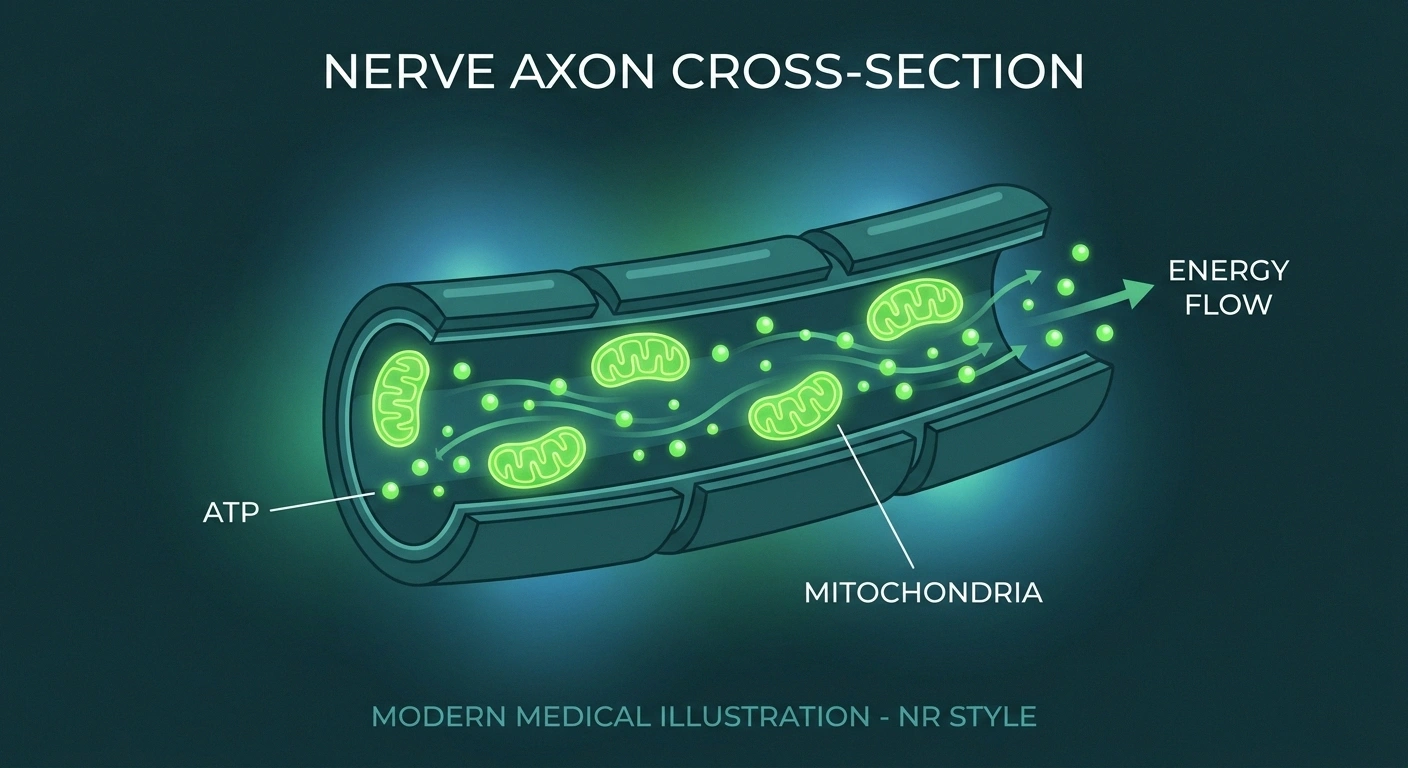
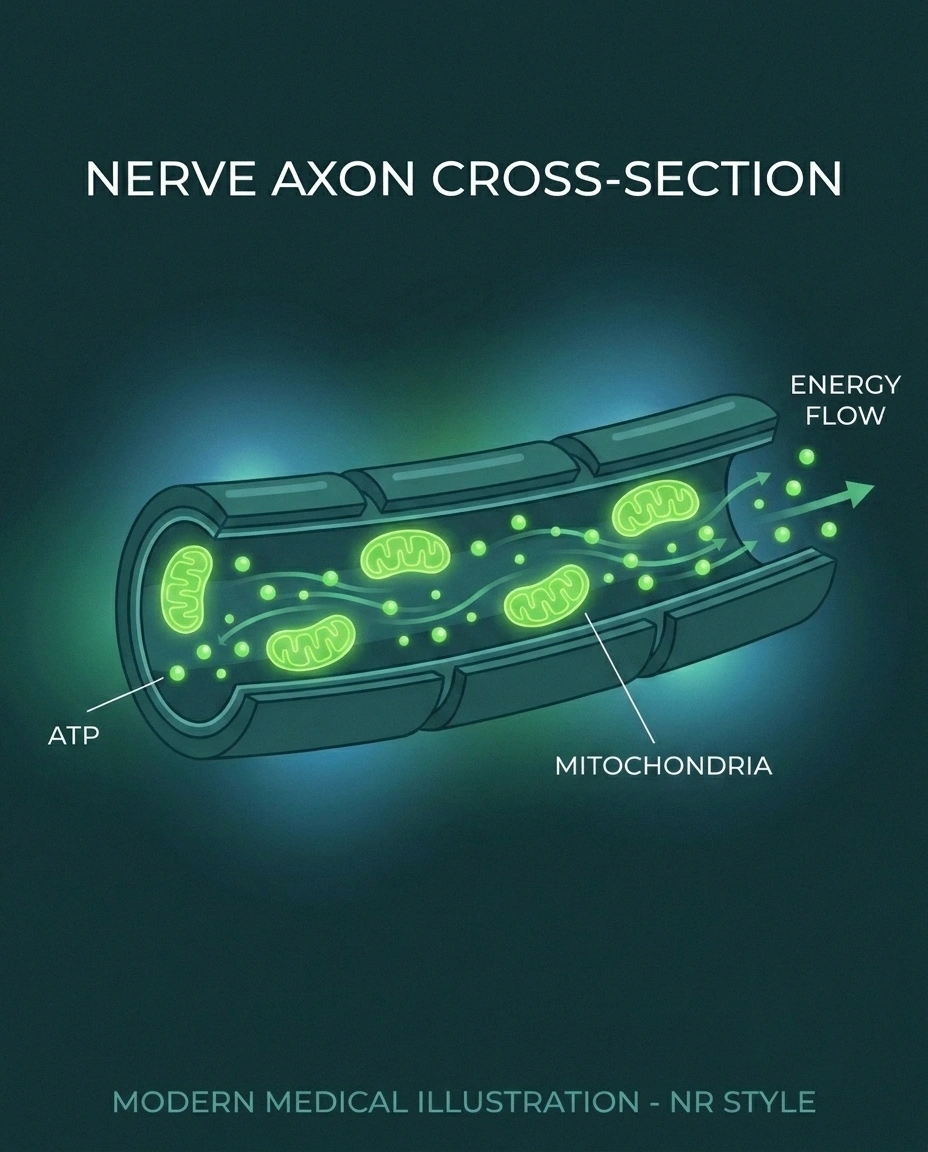
One reason CoQ10 keeps appearing in neuropathy research is what I’d call the mitochondria-nerve connection. Peripheral nerve axons — especially the long ones running to your feet and hands — have extraordinarily high energy demands. They need to maintain ion gradients along their entire length, power signal transmission, and support the constant turnover of structural proteins.
When mitochondria fail to produce adequate ATP, nerve fibers can’t maintain these functions. The result is exactly what we see in neuropathy: abnormal signaling, impaired conduction, and eventually nerve fiber loss.
CoQ10’s role in preserving mitochondrial function isn’t just about energy. It also prevents what’s called mitochondrial permeability transition — a cascade that, when triggered, essentially kills the mitochondrion and often the cell with it. By keeping this transition in check, CoQ10 may protect nerve cells from a form of death that’s particularly relevant in neuropathy.
This is also why acetyl-L-carnitine, another mitochondria-supporting compound, is often studied alongside CoQ10 for neuropathy. The two have somewhat complementary mechanisms: carnitine shuttles fatty acids into mitochondria for fuel, while CoQ10 ensures those mitochondria can use the fuel efficiently.
Ubiquinone vs. Ubiquinol: Which Form Should You Take?
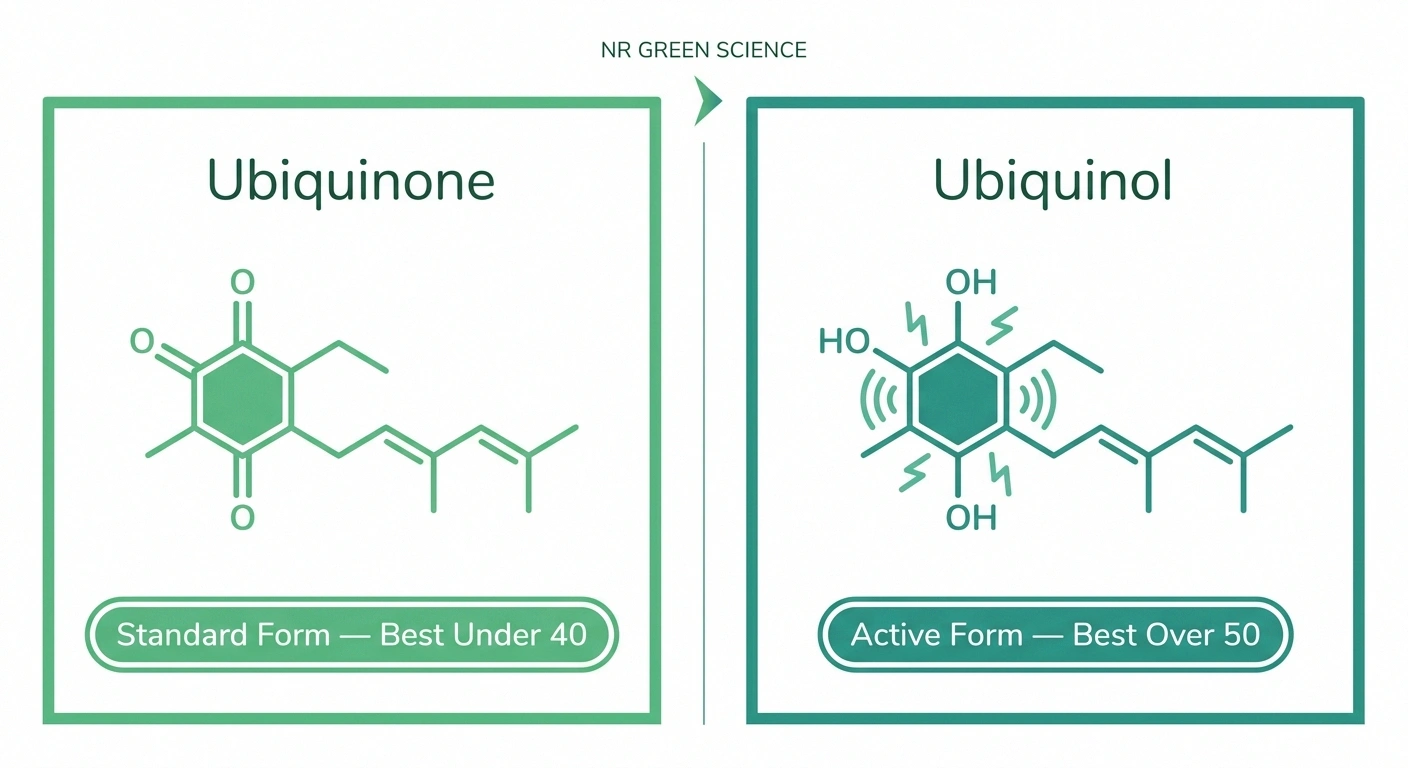
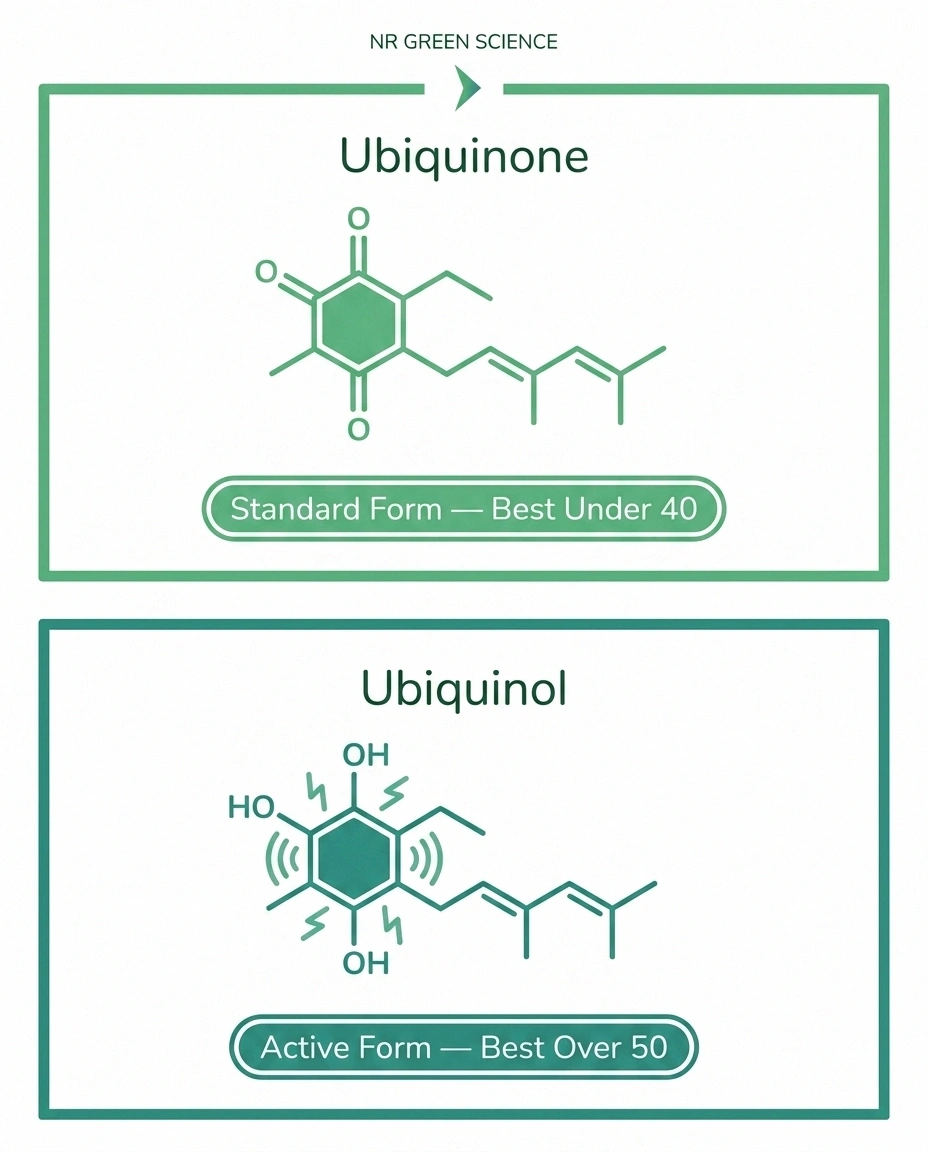
CoQ10 exists in two forms in your body:
Which Form of CoQ10 Is Right for You?
Under 40, good metabolic health → Standard ubiquinone is typically fine and more affordable. Your body converts it efficiently.
Over 50 or with chronic disease → Consider ubiquinol. Bioavailability is 2–3× higher, and older cells convert ubiquinone less efficiently.
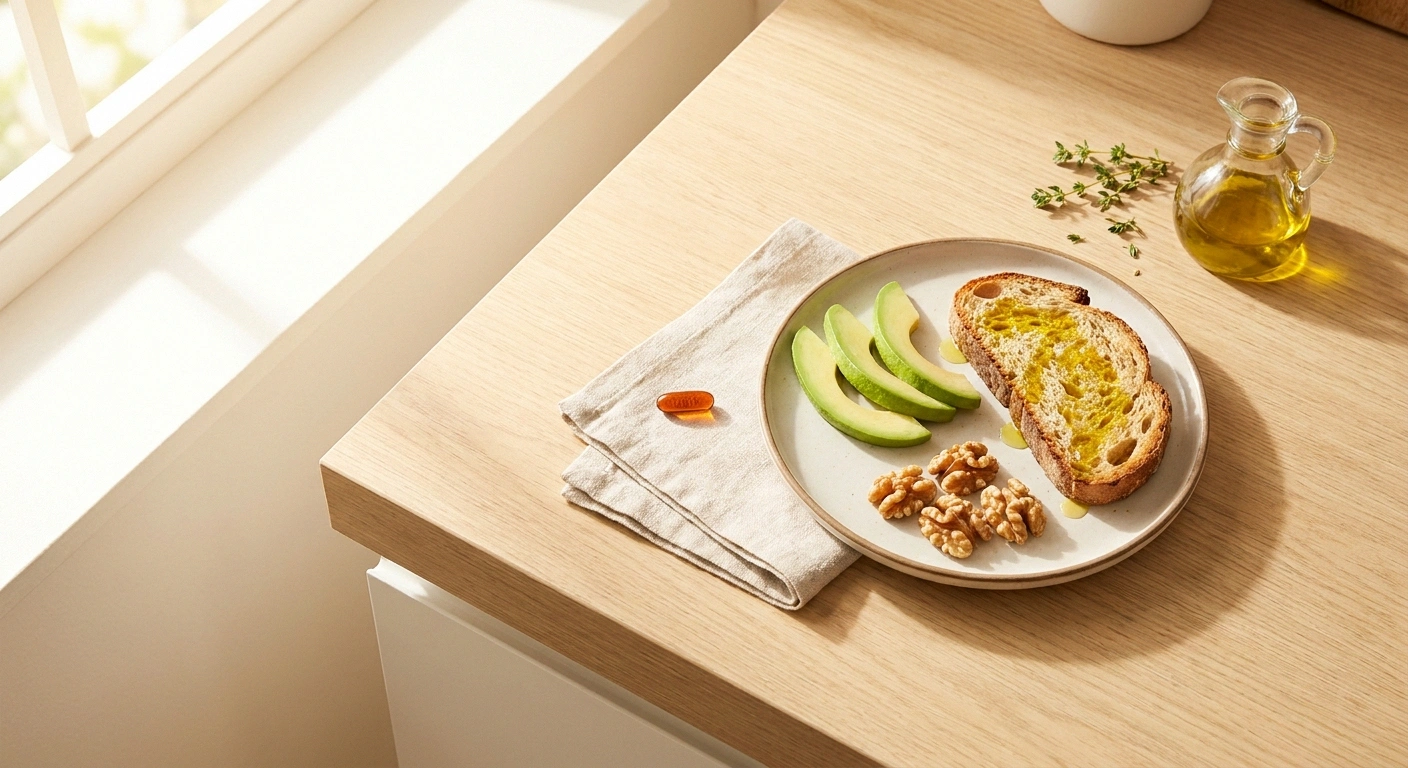
Either form → Take with a fat-containing meal. CoQ10 is fat-soluble; dry capsules on an empty stomach absorb poorly.
Ubiquinone is the oxidized form and has been the standard supplement form for decades. It’s the most common, the most studied, and typically the least expensive. Your body converts ubiquinone to ubiquinol before it can be used.
Ubiquinol is the reduced (active) form — already converted and ready to work. Research suggests ubiquinol has approximately 2-3 times the bioavailability of ubiquinone, particularly in older adults whose conversion capacity may be compromised.
For people under 40 with generally good metabolic health, standard ubiquinone is likely adequate. For those over 50 — which includes most people with age-related neuropathy — ubiquinol may be worth the additional cost, as your body may struggle to efficiently convert the ubiquinone form.
One practical note: CoQ10 is fat-soluble, which means absorption improves significantly when taken with a meal containing fat. Taking it on an empty stomach or with a fat-free meal wastes a meaningful portion of the dose.
How Much CoQ10 for Neuropathy? Dosage Considerations
There’s no established clinical protocol specifically for neuropathy, so dosage guidance comes from related research and clinical experience:
General neuropathy support: Most studies and practitioners suggest 100–200 mg daily, taken with a fat-containing meal.
For statin users: 100–200 mg daily is the most commonly recommended range to offset statin-induced depletion.
For more severe or advanced neuropathy: Some clinicians recommend up to 300 mg daily, potentially split into two doses. Higher doses have been studied in Parkinson’s disease and heart failure research without significant safety issues.
For ubiquinol specifically: Doses tend to run slightly lower — typically 100–200 mg — because of the improved bioavailability.
Because CoQ10 levels vary significantly between individuals and decline differently depending on health status, some integrative practitioners suggest testing CoQ10 plasma levels before deciding on dosage. This isn’t standard practice, but it’s an option worth discussing if you’re working with a functional medicine doctor.
Combining CoQ10 with Other Nerve Supplements
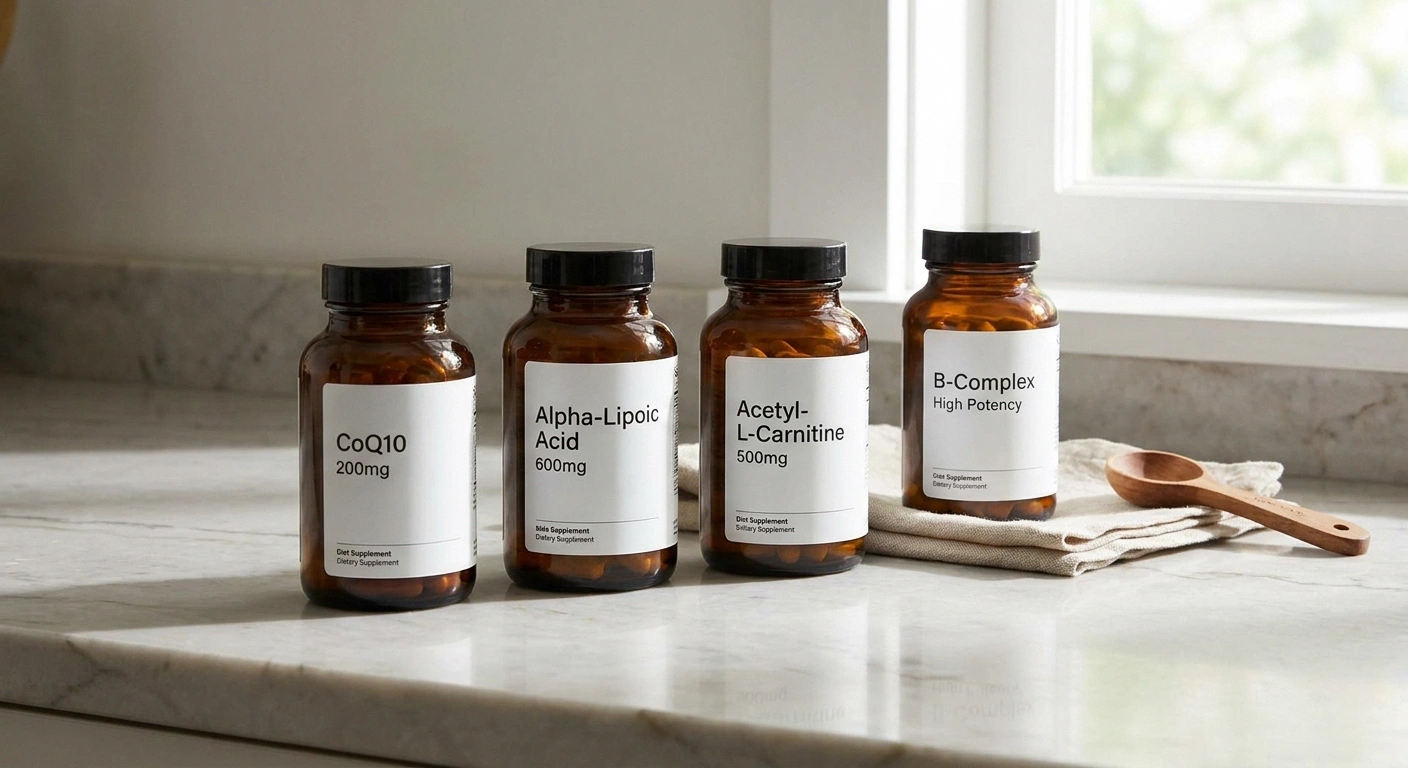
CoQ10 doesn’t work in isolation in the body, and it’s often studied and used as part of a broader approach to nerve support. Common pairings include:
Supplement Stack Principle
CoQ10 pairs logically with alpha-lipoic acid, acetyl-L-carnitine, and NAC. Each targets nerve health from a slightly different angle — mitochondrial fuel, electron transport, fatty acid delivery, and free radical quenching. The combination approach mirrors how nerve cells actually fail in most neuropathies.
Alpha-lipoic acid: An antioxidant with its own research base for diabetic neuropathy, ALA works in both fat and water environments (unlike CoQ10, which is purely fat-soluble). The two together may provide broader antioxidant coverage for nerve tissue. Read more about alpha-lipoic acid for neuropathy.
Acetyl-L-carnitine: Supports mitochondrial fuel delivery; pairs logically with CoQ10’s role in mitochondrial energy production. Our acetyl-L-carnitine overview covers the research in detail.
NAC (N-acetyl cysteine): Another antioxidant that supports glutathione production; see NAC for neuropathy for the research. Together with CoQ10, NAC helps address oxidative stress from multiple pathways.
B vitamins: The B vitamin complex — particularly B1, B6, and B12 — addresses nerve health from the nutritional deficiency angle, complementing CoQ10’s mitochondrial and antioxidant work.
For a comprehensive overview of what the evidence says about multiple nerve repair supplements, see our supplements for nerve repair guide.
Safety, Side Effects, and Drug Interactions
CoQ10 has an excellent safety record across decades of research. Most people tolerate it well at doses up to 300 mg daily. Reported side effects are uncommon and typically mild:
- Mild gastrointestinal discomfort (nausea, stomach upset) — usually resolved by taking with food
- Occasional headache, particularly when first starting
- Rarely: insomnia if taken late in the day (CoQ10 supports energy production, which may be mildly stimulating)
The interaction worth noting: CoQ10 has a mild vitamin K-like activity and may slightly reduce the effectiveness of blood thinners, particularly warfarin (Coumadin). If you’re anticoagulated, CoQ10 should only be started with your prescribing doctor’s knowledge, and INR monitoring is prudent when beginning supplementation.
People with diabetes on insulin or oral hypoglycemics should also be aware that CoQ10 may modestly improve blood sugar control in some studies — which is generally desirable, but could theoretically affect medication dosing if the effect is significant.
Honest Perspective: Where the Evidence Stands
I want to be real with you about something: the research on CoQ10 for neuropathy is promising but not conclusive. The animal data is strong. The mechanistic rationale is solid. The safety record is excellent. But we’re still waiting for well-designed large human clinical trials that specifically measure neuropathy outcomes in CoQ10 supplementation groups.
What we can say is:
- CoQ10 does important things for nerve cell mitochondria
- CoQ10 levels decline in conditions that cause neuropathy
- CoQ10 supplementation is safe for most people
- If you’re on a statin, CoQ10 supplementation has a particularly clear rationale
- Animal models of diabetic neuropathy show meaningful protection
Whether that translates to meaningful benefit in humans with established neuropathy — we need more trials to answer that definitively. What it does mean is that this is a reasonable supplement to discuss with your doctor, especially if you have risk factors for CoQ10 depletion.
Frequently Asked Questions
Can CoQ10 actually help neuropathy?
Animal research shows CoQ10 can prevent and reduce neuropathy in diabetic mouse models, and it supports mitochondrial function that nerve cells depend on. Human clinical trial data specifically for neuropathy is limited, but the mechanistic rationale is sound. It’s a reasonable supplement to discuss with your doctor, especially if you have risk factors like statin use or diabetes.
How long does CoQ10 take to work for nerve symptoms?
CoQ10 is not a fast-acting pain reliever. In animal studies, meaningful nerve-protective effects required weeks to months of consistent supplementation. If you start taking CoQ10, give it at least 2-3 months before evaluating whether it’s making a difference for nerve symptoms, and don’t use it as a replacement for prescribed neuropathy treatments.
Is ubiquinol better than ubiquinone for neuropathy?
Ubiquinol is the active form and has higher bioavailability, particularly in adults over 50. If cost isn’t a barrier, ubiquinol is generally the better choice for older adults. Younger adults can usually convert ubiquinone effectively and may not need the premium form.
Should I take CoQ10 if I’m on a statin?
Statins block the same metabolic pathway that produces CoQ10, measurably reducing levels in the body. Many cardiologists now recommend CoQ10 supplementation alongside statin therapy. If you’ve developed neuropathy symptoms since starting a statin, discuss both the potential connection and CoQ10 supplementation with your prescribing physician.
What dose of CoQ10 is used for neuropathy?
Most research and clinical recommendations point to 100-200 mg daily for general nerve support, with some practitioners suggesting up to 300 mg for more advanced neuropathy. CoQ10 is fat-soluble and should be taken with a meal containing fat for best absorption.
Can CoQ10 reverse neuropathy?
There’s no evidence that CoQ10 can reverse established nerve damage in humans. What the research suggests is a neuroprotective role — helping prevent or slow progression, and supporting the cellular conditions needed for nerve health. For reversal of existing damage, no single supplement has demonstrated this capacity in clinical trials.
Does CoQ10 interact with any neuropathy medications?
The main interaction to know about is with warfarin (blood thinners) — CoQ10 may reduce its anticoagulant effect, so INR monitoring is recommended if you’re on anticoagulants. For most common neuropathy medications like gabapentin, pregabalin, or duloxetine, no significant interactions with CoQ10 are known.
Where should CoQ10 fit in a broader neuropathy supplement plan?
CoQ10 works best as part of a broader approach that addresses nerve health from multiple angles: mitochondrial support (CoQ10, acetyl-L-carnitine), antioxidant protection (alpha-lipoic acid, NAC), and nutritional foundations (B vitamins, omega-3s). No single supplement does everything, and the combination approach aligns with how nerve cells actually fail in most neuropathies.
About the Author