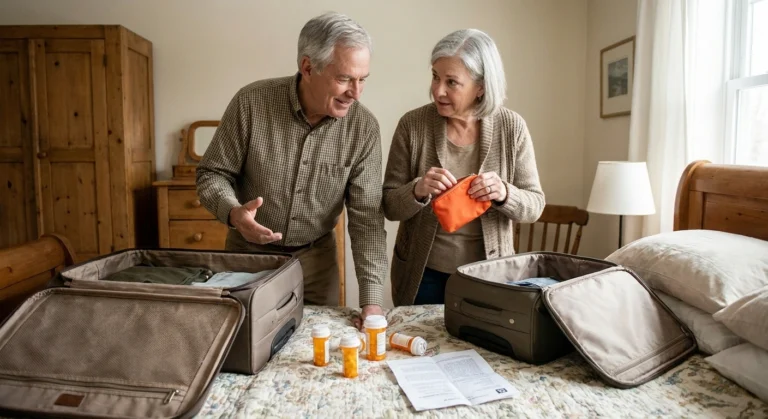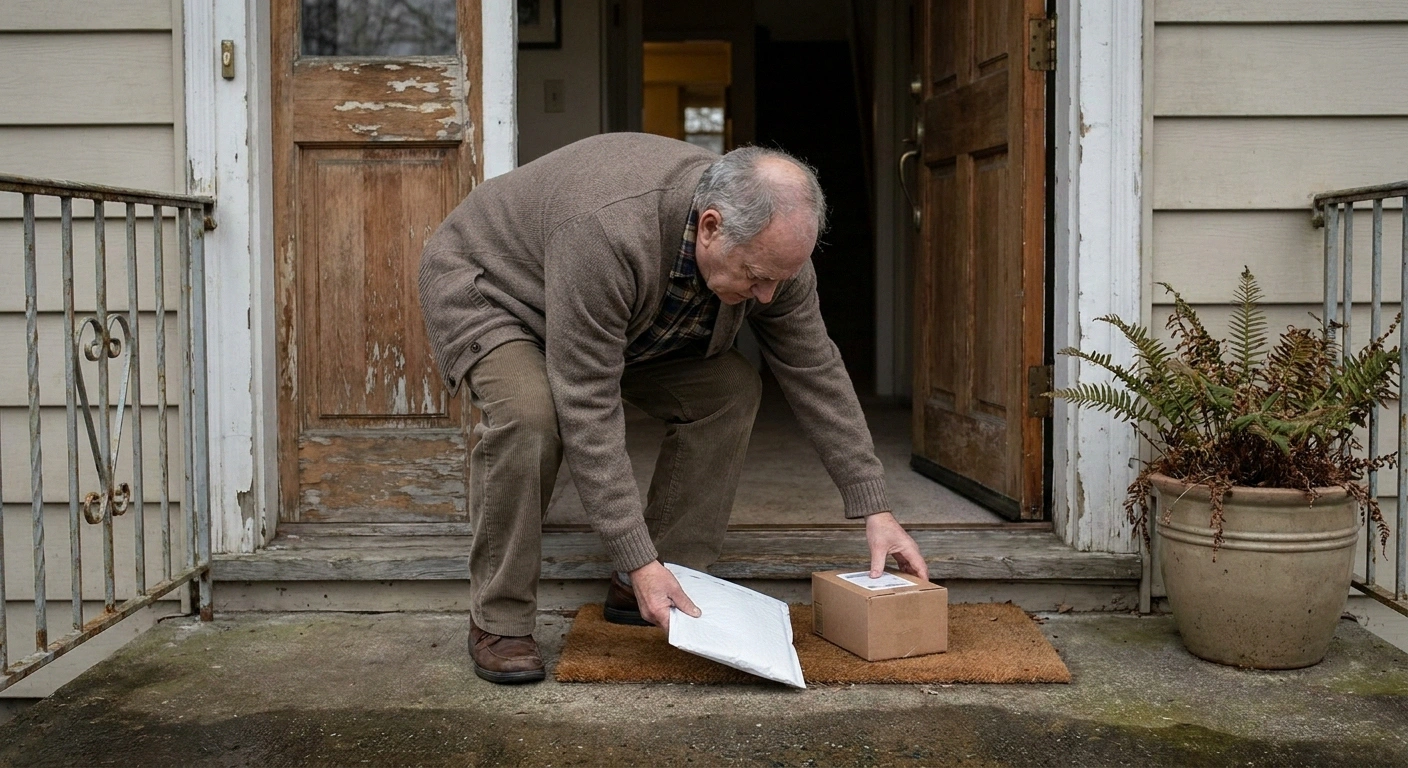
Mail-order pharmacy is a good deal for most people on long-term neuropathy medication — cheaper refills, fewer trips, and no standing in line on sore feet. But it has three weak spots that matter more for us than for the average customer: the first shipment is slow, some of our medications are controlled substances with extra rules, and a package sitting in a hot mailbox is a real thing.
None of those are reasons to avoid it. They're reasons to set it up carefully. Here's how I'd do it, step by step, with the specific traps that trip people up.
Is Mail Order Actually Cheaper?
Often, yes — but “mail order” covers three different setups, and the savings depend on which one you're looking at.
| Medication | Plan mail, 90 days | Retail, 3 x 30 days | Cash price, 90 days |
|---|---|---|---|
| $ | $ | $ | |
| $ | $ | $ | |
| $ | $ | $ |
Remember: only the plan mail and retail columns usually count toward your deductible and yearly out-of-pocket limit. Cash purchases generally don't.
Your insurance plan's mail-order pharmacy. Most Medicare Part D plans and employer plans have a preferred mail-order partner. A 90-day supply by mail frequently costs less than three 30-day fills at a retail store, sometimes the price of two months, sometimes less. Some employer plans go further and require mail order for maintenance medications after a couple of retail fills.
Online pharmacies that sell at a flat cash price without using insurance at all. For cheap generics like gabapentin, duloxetine or amitriptyline, a cash price can beat your insurance copay. Worth checking — but remember that a cash purchase usually doesn't count toward your deductible or yearly out-of-pocket limit.
Your local pharmacy's own delivery service. Not technically mail order, but many independent and chain pharmacies now deliver locally, which gets you the convenience without the long shipping lag.
For people on Medicare, the yearly out-of-pocket cap changes the math for expensive brand drugs. Our breakdown of the Part D cap and neuropathy medications covers that, and our guide to affording neuropathy medications goes through discount cards and assistance programs.
Here's the quick way to compare. Call your plan or log in to its website, look up each medication, and write down the 90-day mail price next to the 90-day retail price. It takes fifteen minutes, and the answer is sometimes surprising — in both directions.
The Controlled-Substance Wrinkle
This is the part general mail-order advice leaves out, and it affects a lot of neuropathy prescriptions.
- Not controlled (duloxetine, amitriptyline, gabapentin in most states): reorder with about 3 weeks left.
- Schedule IV or V (tramadol, pregabalin): reorder the first day your plan allows, commonly once about 75 to 85% of the supply has been used.
- Schedule II (tapentadol): ask your prescriber for the new prescription about 10 days before you run out, since each fill needs a fresh one.
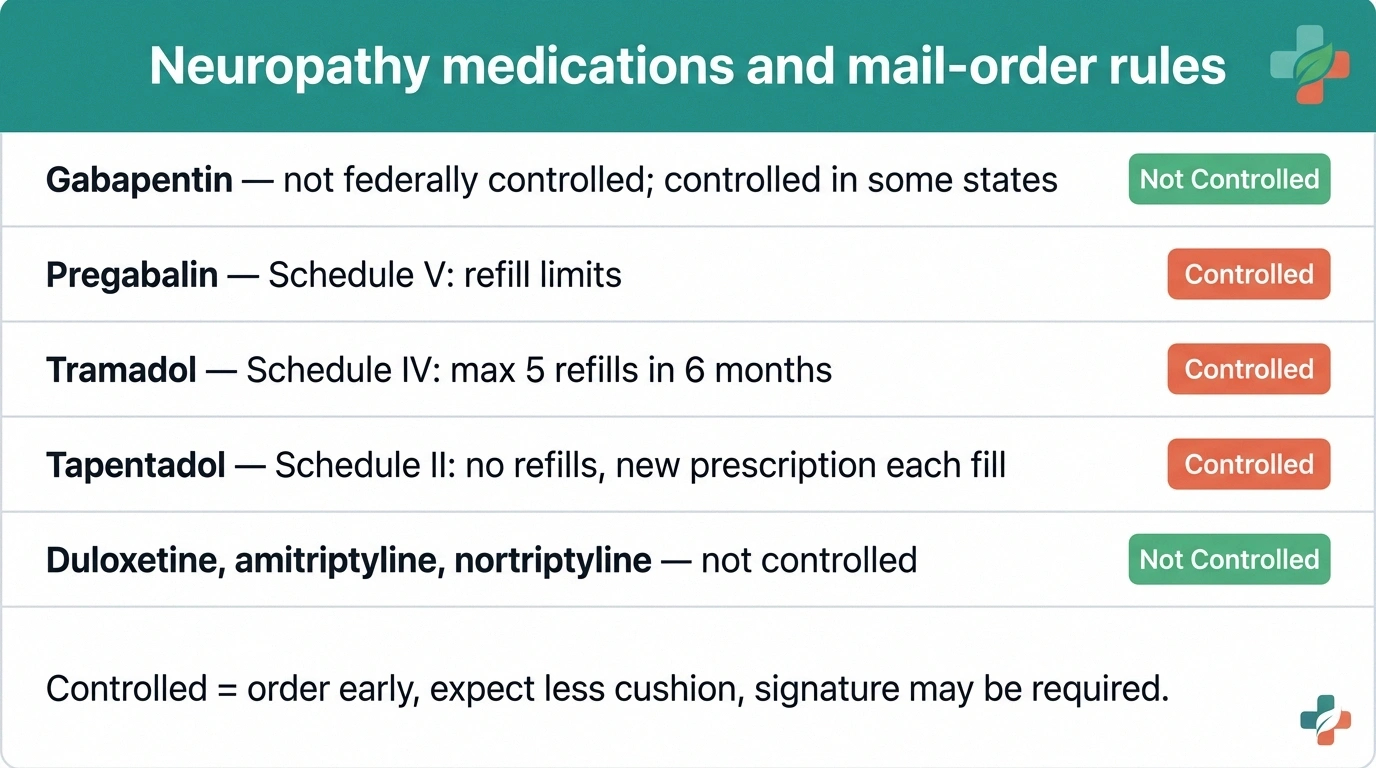
Pregabalin (Lyrica) is a federal Schedule V controlled substance. Gabapentin isn't controlled federally, but a handful of states treat it as one, and that list has shifted over the last few years, with states both adding and dropping it. Tramadol is Schedule IV. Tapentadol is Schedule II, the strictest category for drugs with a medical use.
What that means in practice:
- Refill limits. Federal law caps Schedule III and IV prescriptions at five refills within six months of being written. Schedule V rules are largely set by states, and many use a similar six-month limit — so plan on needing a fresh prescription about twice a year.
- Schedule II drugs can't be refilled at all. Each fill needs a new prescription, which makes mail order clumsier for tapentadol.
- Early refills are tightly limited. You generally can't order a controlled medication much before you're due, which leaves less cushion if a package is late.
- Some deliveries need a signature, depending on the pharmacy and the drug. If nobody's home, the package may go back to the post office.
Mail-order pharmacies ship controlled medications legally every day, so this isn't a barrier. It just shrinks your margin for error, and margin is exactly what you need with drugs like gabapentin and pregabalin that shouldn't be stopped suddenly. Missing several days can bring withdrawal symptoms, and in rare cases seizures, even in people without epilepsy. Our articles on pregabalin and gabapentin cover why tapering matters.
Making the Switch Without a Gap
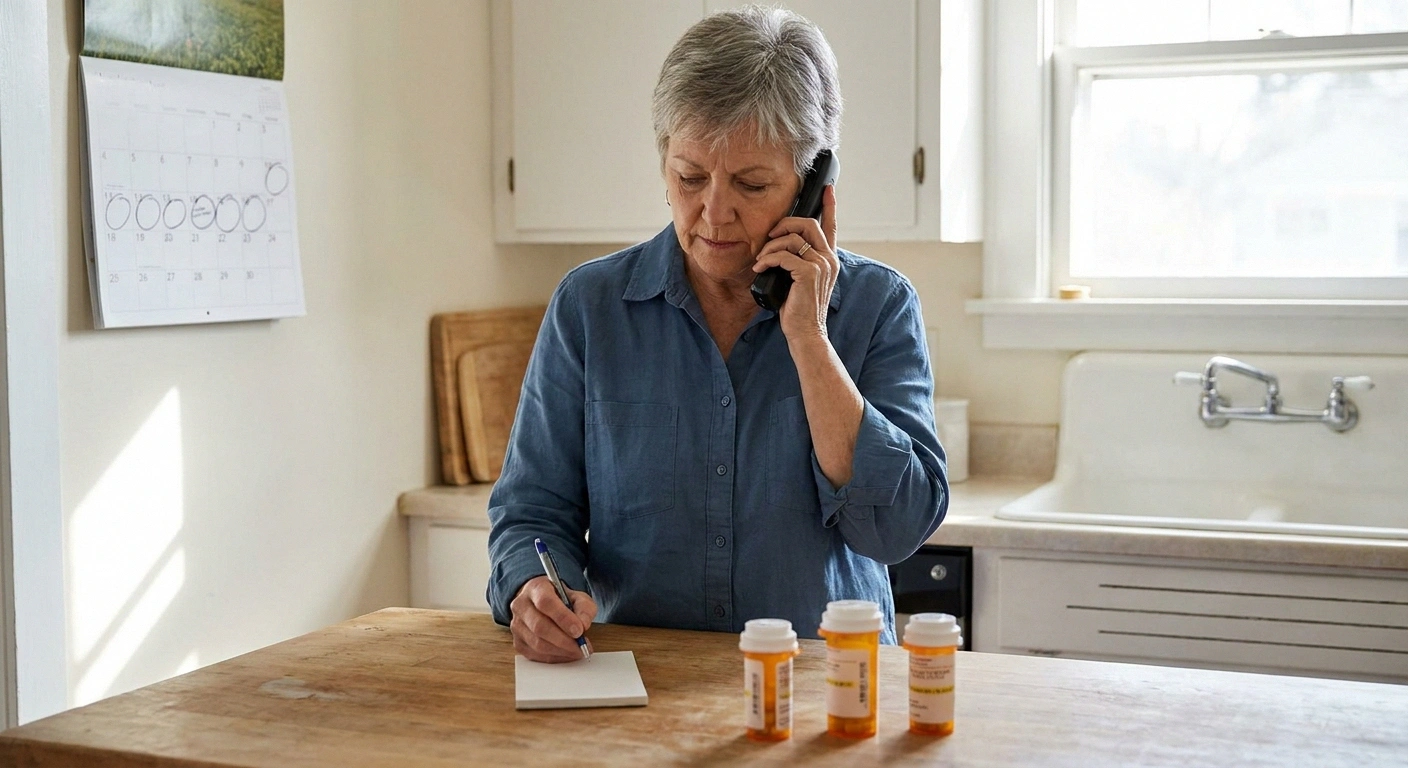
The single most common mail-order problem is a gap during the changeover. The first order has to be set up, the prescription sent, insurance checked and the package shipped. That routinely takes a week or two, and occasionally longer.
Here's the order of operations that avoids it:
- Start when you have at least three weeks of each medication left. Not one week — three.
- Ask your prescriber to send new prescriptions directly to the mail-order pharmacy, written as a 90-day supply with refills. Transferring old prescriptions often works too, but controlled substances can have transfer restrictions, and a fresh prescription is cleaner.
- Create your account and add your payment method before the prescriptions arrive, so nothing sits waiting on you.
- Call to confirm about three business days later that each prescription was received and is in process. Don't assume.
- Get the ship date and tracking number, then set a reminder for the delivery day.
- If the timing looks tight, ask your local pharmacy for a short bridge fill of a week or two. Most plans allow this, and pharmacists deal with it constantly.
Switch one or two medications at a time rather than your whole list at once. If something goes wrong, it's one problem instead of six.
Heat, Cold, and the Mailbox Problem
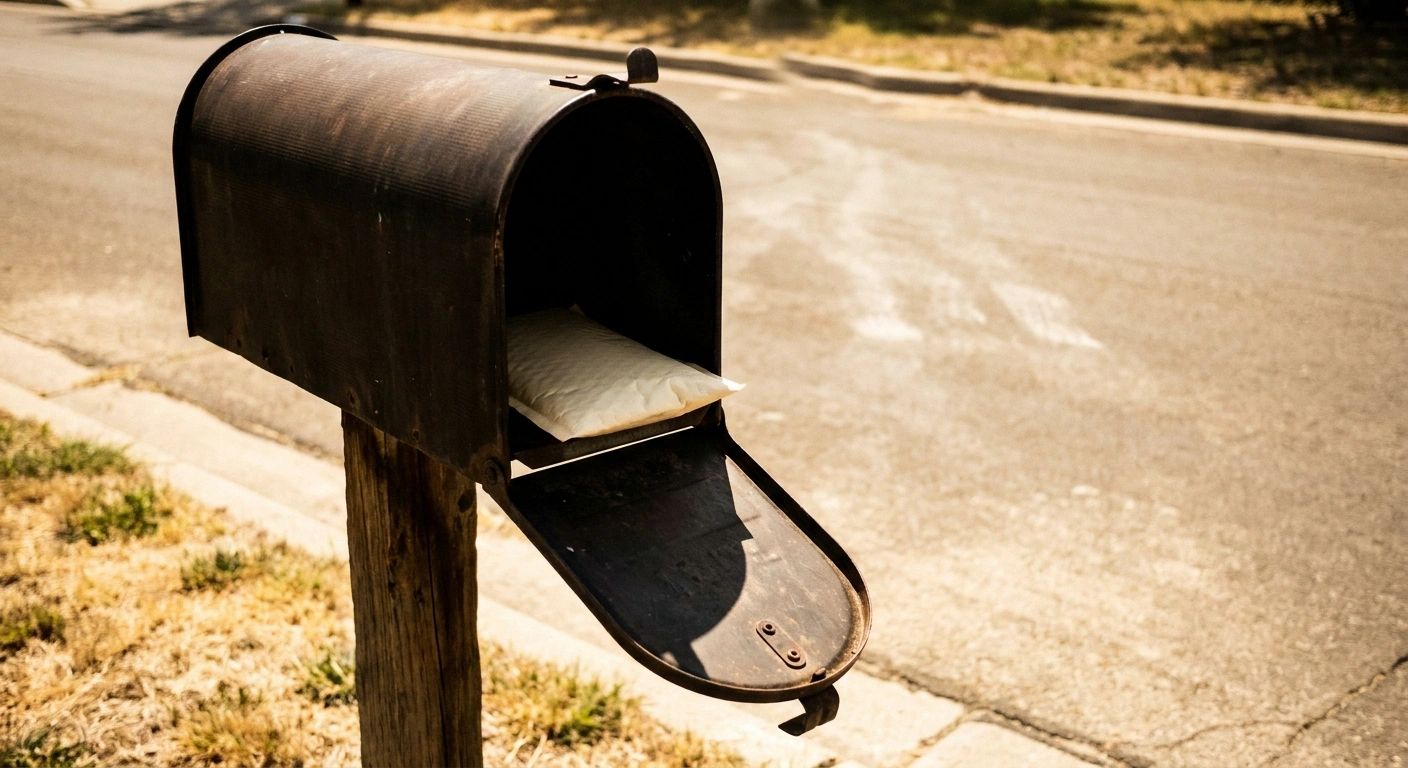
A 2023 study in the Journal of the American Pharmacists Association sent packages with temperature recorders through the mail in different seasons. They spent about two-thirds of their transit time outside the recommended storage range of 68 to 77°F, and more than a quarter of packages hit temperatures above 104°F at some point.
- Most vulnerable
- Patches (lidocaine, capsaicin), creams and gels, liquids, and anything labeled “refrigerate.”
- Moderately vulnerable
- Capsules, including pregabalin capsules and duloxetine's pellet-filled capsules, which can soften or stick together.
- Most forgiving
- Plain compressed tablets, such as amitriptyline tablets and the 600 or 800 mg gabapentin tablets.
Take a photo of anything that looks off before calling. It speeds up the replacement.
Most pills and capsules are fairly forgiving — which is the reassuring part. The official standard allows brief swings between 59 and 86°F as long as the average stays in range, and common neuropathy medications like gabapentin or duloxetine aren't known to be especially fragile. Still, capsules can soften and stick together, and liquids, creams and patches are more sensitive than solid tablets.
What helps:
- Track deliveries and bring packages in the same day, especially in summer and winter.
- Ask for a delivery hold or pickup option during heat waves or if you'll be away.
- A shaded lockbox or a covered spot by the door beats a black metal mailbox in direct sun.
- Look before you take. Capsules that are melted, stuck together or misshapen, tablets that crumble or changed color, patches whose adhesive has run: don't take them. Call the pharmacy. Pharmacies generally replace temperature-damaged medication.
If you're in a very hot climate, ask whether the pharmacy uses insulated packaging for summer shipments. Some do automatically; others will on request.
Packaging You Can Actually Open
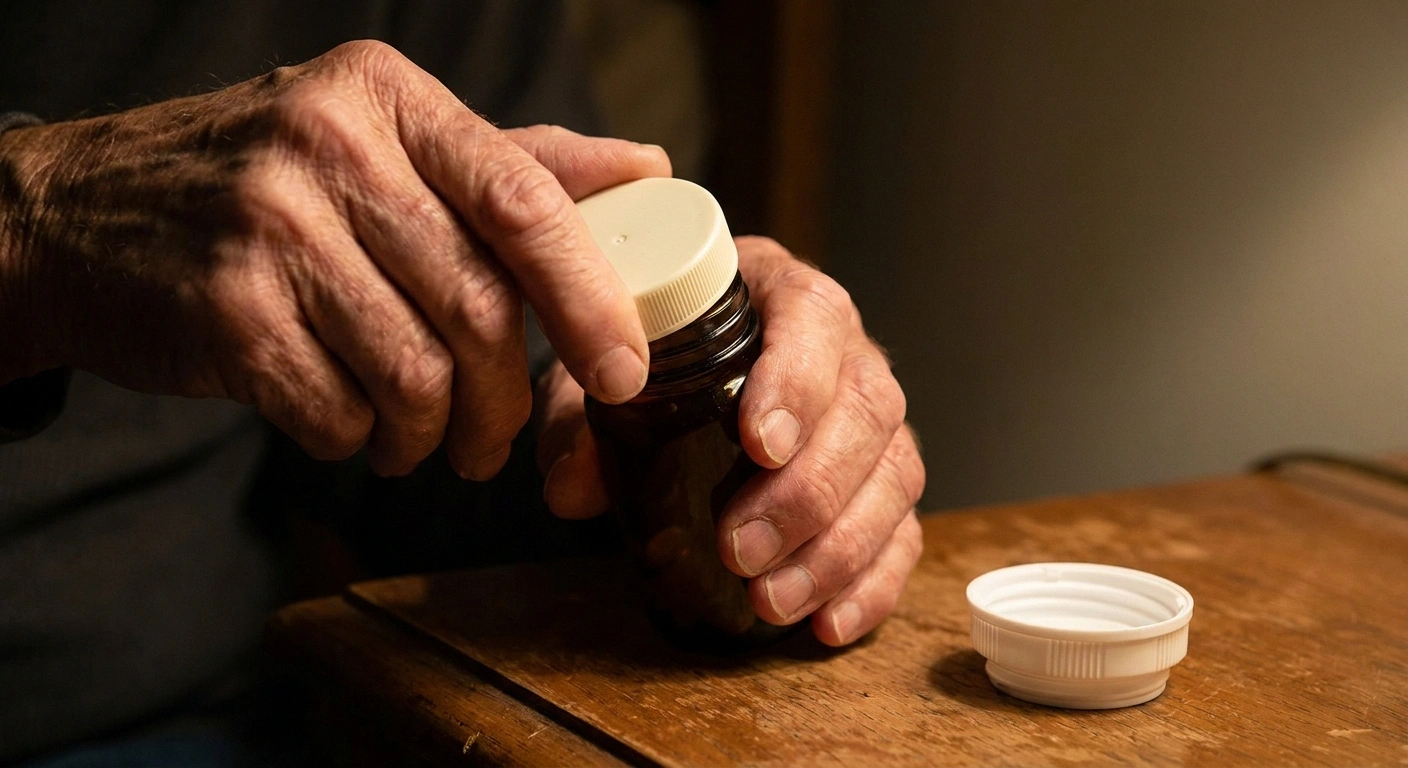
This is where mail order can be better than a store — if you ask.
Easy-open caps. Pharmacies use child-resistant caps by default, and those push-and-turn lids are brutal with numb fingers. Under federal law, you can ask for non-child-resistant caps, either one prescription at a time or as a standing request for everything they send you. With mail order, make that request on your account profile so it applies to every shipment. If grandchildren visit, store the bottles up high.
Larger labels and larger bottles. Many mail-order pharmacies offer large-print labels on request. A slightly bigger bottle is easier to grip.
Multi-dose packets. Some pharmacies will sort your pills into strips of small packets labeled with the date and time of each dose. For people juggling several medications with numb hands, this can replace a pill organizer entirely. The packets tear open along a notch, which some people find easier than a lid and others find harder, so ask for a sample if you can.
More ideas are in our guides to opening pill bottles with numb fingers and setting up a pill organizer system.
Keeping a Pharmacist in Your Corner
One real downside of mail order is losing the pharmacist who knows you by name. Neuropathy treatment often means several drugs that affect the brain and balance, and interactions are a genuine concern.
A few ways to keep that safety net:
- Use one pharmacy for as much as possible, so its interaction checks see your whole list. If you split between mail order and retail, give both a complete list, including over-the-counter pain relievers, sleep aids and supplements.
- Use the pharmacist phone line. Every mail-order pharmacy has one. It's often underused, and the pharmacists on it can answer the same questions your local one would.
- Read the information sheet when a medication arrives in a new shape or color. Generic makers change, and a pill that looks different is a common reason people think they've been sent the wrong drug. A quick call settles it.
Our article on neuropathy drug interactions lists the combinations most worth asking about.
Auto-Refill: Helpful, With One Catch
Automatic refills remove the “I forgot to reorder” problem, which is valuable. The catch is that auto-refill keeps shipping a medication even after your doctor changes the dose or stops it. People end up with a cabinet full of the old strength and confused about which bottle is current.
The fix is simple — and it's on you, not the office. Any time a dose changes, log in or call and cancel the old prescription on auto-refill yourself. Don't count on the doctor's office to do it.
And every few months, compare what's actually arriving against the list your doctor has. It takes five minutes and catches a surprising number of errors.
Travel, Moves, and Snowbird Seasons
Mail order is handy if you split the year between two homes: most pharmacies will ship anywhere in the country once you update the address. Change it at least two weeks before you move, confirm the next shipment is going to the right place, and remember that a few states' controlled-substance rules can affect gabapentin shipping. For trips, carry enough for the whole time away plus a few extra days. Our guide to traveling with neuropathy medications has the packing details.
If a Package Goes Missing

It happens. A box gets left at the wrong door, stuck in a sorting center, or quietly disappears from a porch. Having a plan before it happens makes it a nuisance instead of a crisis.
“My order number is ____. Tracking shows ____. I have ___ days of [medication] left, and it shouldn't be stopped suddenly. Can you send a replacement by expedited shipping today, and if not, can you authorize a short fill at my local pharmacy?”
Write down the representative's name and a reference number before hanging up.
Check tracking first, then look around: side doors, the garage, a neighbor's porch, the building's mail room. Carriers mark packages delivered a day early more often than you'd expect.
Call the pharmacy the same day. Most will file a lost-shipment report and send a replacement. For non-controlled medications, that's usually straightforward. For controlled ones like pregabalin, the pharmacy may need to document the loss, and in some cases your prescriber has to be involved before a replacement goes out, so it can take longer.
Don't wait out the gap. If the replacement won't arrive before you run low, call your local pharmacy and your prescriber's office about a short emergency supply. Say clearly that the medication shouldn't be stopped abruptly. That sentence tends to move things along.
Keep a small reserve at home once you're settled on mail order. Refilling as early as your plan allows, every time, gradually builds a cushion of several days without breaking any rules.
Keep a written list of every medication, dose, prescriber phone number and the mail pharmacy's order line somewhere easy to find. On a stressful day with numb fingers, you won't want to dig through an app.
When Retail Is the Better Choice

Mail order isn't right for everything. Stick with a local pharmacy for:
- A brand-new medication you're trying for the first time, where the dose may change within weeks
- Short courses such as antibiotics or a steroid taper
- Anything you need today
- Medications that need refrigeration, unless the mail pharmacy ships them with cold packs and you're home to receive them
- Times when your address is unreliable, such as a hospital stay or rehab
A good rule: once a neuropathy medication and dose have been stable for two or three months, it's a strong candidate for mail order. Before that, keep it local where changes are easy.
A Quick Setup Checklist
- Compare 90-day mail vs retail prices for each medication
- Start the switch with three or more weeks of supply left
- Have new 90-day prescriptions sent directly
- Request easy-open caps and large-print labels on your profile
- Confirm receipt by phone; get tracking
- Line up a local bridge fill in case of delays
- Plan for heat or cold on delivery days
- Cancel old prescriptions on auto-refill whenever a dose changes
- Keep one complete medication list with every pharmacy you use
Frequently Asked Questions
Can gabapentin and pregabalin be sent by mail?
Yes. Licensed mail-order pharmacies routinely ship both. Pregabalin is a federal Schedule V controlled substance, and gabapentin is controlled in some states, so refill limits apply and some shipments may require a signature. Order with extra time, because early refills of controlled medications are restricted.
How long does the first mail-order prescription take to arrive?
Commonly one to two weeks, and sometimes longer if insurance approval or a new prescription from the doctor is needed. Start the switch when you still have at least three weeks of medication, and ask your local pharmacy for a short bridge supply if the timing gets tight.
Is it safe if my medication sat in a hot mailbox?
Most tablets tolerate short temperature swings, but capsules, liquids, creams, and patches are more vulnerable. If capsules are soft or stuck together, tablets are crumbling or discolored, or patches look damaged, do not use them. Call the pharmacy, which can usually send a replacement.
Can I get easy-open caps from a mail-order pharmacy?
Yes. Federal law lets patients request non-child-resistant closures, either for a single prescription or as a standing request for all prescriptions. Add the request to your account profile so it applies to every shipment, and keep the bottles out of children's reach.
Is mail order always cheaper than a retail pharmacy?
Not always. A 90-day mail supply through an insurance plan's preferred pharmacy is often cheaper than three retail fills, but cash-price pharmacies or discount cards can beat insurance for inexpensive generics. Compare the actual 90-day price for each medication before switching.
What should I do if my mail-order medication is late?
Contact the mail-order pharmacy first to check the shipment status, then call your local pharmacy and ask for an emergency or bridge supply. For medications like gabapentin, pregabalin, and duloxetine that should not be stopped abruptly, act before you run out rather than waiting.
About the Author