
When my friend Gloria called me in tears last spring, I could hear the frustration in her voice before she said a single word. Her husband had been living with Parkinson's disease for six years. Now his neurologist had mentioned “peripheral neuropathy” at his last appointment — and neither of them had any idea what that meant or how it connected to everything else he was going through.
“Isn't Parkinson's already enough?” she asked. It's a fair question. The answer, unfortunately, is more complicated than yes or no. Peripheral neuropathy shows up in a surprising number of people with Parkinson's disease — and for years, the medical community largely overlooked the connection. That's starting to change.
If you or someone you love has Parkinson's and is dealing with new tingling, numbness, burning feet, or worsening balance, this article is for you. We're going to unpack what researchers have learned about the Parkinson's-neuropathy overlap, why it happens, and what you can actually do about it.
What Is the Connection Between Parkinson's and Neuropathy?
For a long time, neurologists treated Parkinson's disease and peripheral neuropathy as separate problems that occasionally happened to appear in the same patient. The dominant view was: if someone with PD had tingling in their feet, it was probably just coincidence — or maybe the neuropathy had an unrelated cause like diabetes or vitamin deficiency.
Key Takeaway
Peripheral neuropathy affects up to 55% of people with Parkinson's disease — far higher than the general population rate of ~9%. This is not coincidence: multiple distinct biological mechanisms link the two conditions.
But over the past decade, research has made it increasingly clear that the connection is real, meaningful, and worth taking seriously. Multiple studies have found that peripheral neuropathy is far more common in Parkinson's patients than in the general population — and that the relationship goes deeper than coincidence.
Peripheral neuropathy, for those who are new to the term, refers to damage to the nerves outside the brain and spinal cord. These are the nerves that carry sensation from your feet and hands to your brain, and that control muscle movement and automatic functions like heart rate and digestion. When they're damaged, the result is symptoms like numbness, tingling, burning pain, weakness, and balance problems.
Parkinson's disease is primarily known as a brain condition — it involves the progressive loss of dopamine-producing neurons in an area called the substantia nigra. But the disease doesn't limit itself to the brain. Evidence shows that autonomic neuropathy — damage to the nerves controlling automatic body functions — is also very common in PD, affecting digestion, blood pressure regulation, bladder function, and sweating. What's newer is the recognition that standard peripheral (sensory and motor) neuropathy is also part of the picture for many patients.
How Common Is Neuropathy in Parkinson's Disease?
Estimates vary widely depending on the study methodology and which type of neuropathy is being measured. But the numbers consistently point in the same direction: neuropathy is substantially more common in people with Parkinson's than in the general population.
Research Says
A 2023 longitudinal study found that Parkinson's patients with peripheral neuropathy had significantly shorter stride length, slower gait speed, and smaller toe-off angles — measurable functional differences that translate directly into higher fall risk.
Research published in peer-reviewed journals has found prevalence rates ranging from about 4.8% to as high as 55% in different Parkinson's patient populations. By comparison, estimates for peripheral neuropathy in the general population typically run around 8–10%. Even at the low end of the PD range, that's a notable elevation. And when you factor in small fiber neuropathy — which requires specialized testing to detect — the numbers climb even higher.
A 2023 study in the Journal of Neurology that followed Parkinson's patients longitudinally found that polyneuropathy developed or worsened over time in a meaningful subset of patients, and was associated with functional decline in gait and balance. Shorter stride length, slower walking speed, and reduced toe-off angle were all more pronounced in PD patients who also had peripheral neuropathy.
The clinical reality is that for many patients, the neuropathy symptoms get mixed in with Parkinson's symptoms — the balance problems, the weakness, the fatigue — and nobody separates them out. That's a problem, because some causes of neuropathy in PD are treatable once you identify them.
Three Main Reasons Neuropathy Develops in Parkinson's Disease
This is where it gets genuinely interesting from a medical standpoint — and where the answer really matters for what you do about it. Researchers have identified three distinct mechanisms by which neuropathy can develop in someone with Parkinson's disease. Understanding which one applies to you can change your treatment approach entirely.
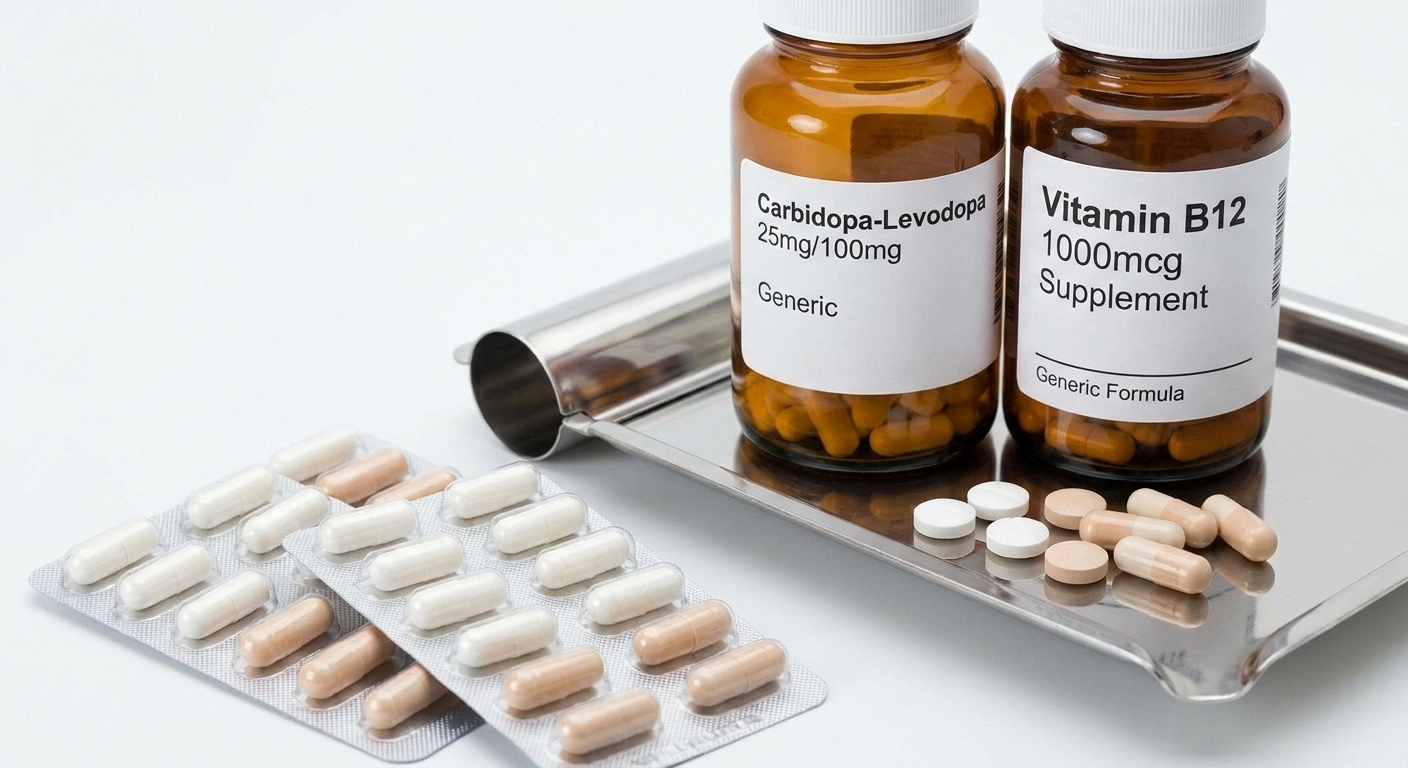
Three Distinct Causes — and Why It Matters Which One You Have
1. Levodopa and Vitamin B12 Depletion
This is the most well-established mechanism — and also the most potentially actionable one. Levodopa, the gold-standard medication for managing Parkinson's motor symptoms, is metabolized in the body in a way that consumes folate and generates homocysteine as a byproduct. Elevated homocysteine is a known risk factor for peripheral neuropathy. Separately, the metabolism of levodopa can also deplete vitamin B12 over time.
Multiple studies have found that long-term levodopa use is associated with significantly higher rates of peripheral neuropathy compared to Parkinson's patients who haven't started medication or who use different drug formulations. The longer someone has been on levodopa, and the higher the dose, the greater the apparent risk.
This creates a difficult situation: levodopa is often the most effective treatment for PD motor symptoms, but it may be contributing to a peripheral problem that worsens mobility and quality of life in a different way. Vitamin B12 deficiency and high homocysteine are worth testing for in any Parkinson's patient with neuropathy symptoms. In some cases, B12 supplementation can help, though the research on whether it fully reverses levodopa-associated neuropathy is still evolving.
If you or your loved one is on levodopa and experiencing neuropathy symptoms, it's absolutely worth asking the neurologist to check B12 levels and homocysteine. This is not an argument to stop levodopa — that decision is far more complex — but knowing whether deficiency is playing a role can open up additional treatment options.
2. Alpha-Synuclein in the Peripheral Nervous System
The second mechanism is more fundamental to Parkinson's disease itself. The hallmark of PD is the abnormal aggregation of a protein called alpha-synuclein in the brain, forming structures called Lewy bodies. Researchers have now found that alpha-synuclein deposits are not limited to the central nervous system — they appear in peripheral nerves as well.
Skin biopsies, which can detect small fiber nerve density and the presence of alpha-synuclein in cutaneous nerves, have shown that small fiber neuropathy exists in Parkinson's patients who have never taken levodopa — meaning the nerve damage precedes medication use. Some studies suggest this peripheral involvement may actually precede the onset of motor symptoms, making small fiber neuropathy a potential early biomarker for Parkinson's disease.
Small fiber neuropathy affects the tiniest nerve fibers — those responsible for temperature sensation, pain, and autonomic function. Standard nerve conduction studies (the typical EMG/NCS test) often miss small fiber neuropathy because they measure large fibers. That means many Parkinson's patients with real neuropathy are told their nerve tests came back normal.
The implications here are significant. If the peripheral neuropathy is driven by alpha-synuclein pathology — the same fundamental disease process as Parkinson's itself — then treating it may ultimately require approaches that target the underlying disease, not just the symptoms.
3. Shared Genetic Risk Factors
The third pathway involves genetics. Several gene variants that are known to cause or contribute to Parkinson's disease are also linked to peripheral nerve involvement. These include mutations in PRKN (Parkin), DJ-1, PINK1, GBA (glucocerebrosidase), and ATP13A2.
For people who carry these variants, both the Parkinson's symptoms and the neuropathy may stem from the same genetic root. This doesn't change the immediate management strategy much in most cases, but it does mean that the neuropathy isn't coincidental and isn't going to respond to simple nutritional fixes. Genetic testing is increasingly available through specialized movement disorder clinics and can sometimes clarify why a particular patient is having an unusually severe or atypical presentation.
A 2025 review in Movement Disorders Clinical Practice proposed a diagnostic framework specifically for clinicians dealing with the overlap of parkinsonism and peripheral neuropathy — recognizing that the right workup depends heavily on which of these three mechanisms is most likely.
Symptoms: What Neuropathy Feels Like on Top of Parkinson's
This is where things get genuinely complicated for both patients and doctors. Many of the symptoms of peripheral neuropathy overlap with non-motor symptoms of Parkinson's disease — and distinguishing between them requires careful attention.
Important Note
A normal nerve conduction study (EMG/NCS) does NOT rule out neuropathy in a Parkinson's patient. Standard NCS only tests large nerve fibers. Small fiber neuropathy — common in PD — requires a skin punch biopsy to detect. Many patients are incorrectly told their nerves are fine.
Peripheral neuropathy typically causes:
- Numbness or reduced sensation in the feet and lower legs (and sometimes hands)
- Tingling or “pins and needles” sensations
- Burning pain, especially at night
- Weakness in the feet or hands
- Balance problems and a tendency to trip or fall
- Sensitivity to touch (allodynia) — when even a light bedsheet feels painful
Now compare that list with what Parkinson's itself can cause: balance issues, leg weakness, sensory changes, sleep disruption due to pain, autonomic problems. The overlap is substantial. A person with Parkinson's might be experiencing progressively worse balance, and both their PD and their undiagnosed neuropathy could be contributing — but if the neuropathy is never identified, one of the treatable components goes unaddressed.
Clues that neuropathy might be a separate contributor rather than just PD progression:
- Burning pain in the feet (more typical of neuropathy than PD)
- Symptoms that are notably worse at night
- Loss of sensation specifically in the feet (sock-and-glove pattern)
- Symptoms that preceded PD diagnosis by years
- Symptoms that worsened significantly after starting or increasing levodopa
Small Fiber Neuropathy: The Parkinson's Warning Sign Doctors Miss
Of all the research findings in this area, perhaps the most striking is the evidence that small fiber neuropathy may actually appear before the classic motor symptoms of Parkinson's disease. This would make it a prodromal feature — something that develops during the early, silent phase of the disease when dopaminergic neurons are being lost but the loss hasn't yet reached the threshold that triggers tremor and rigidity.
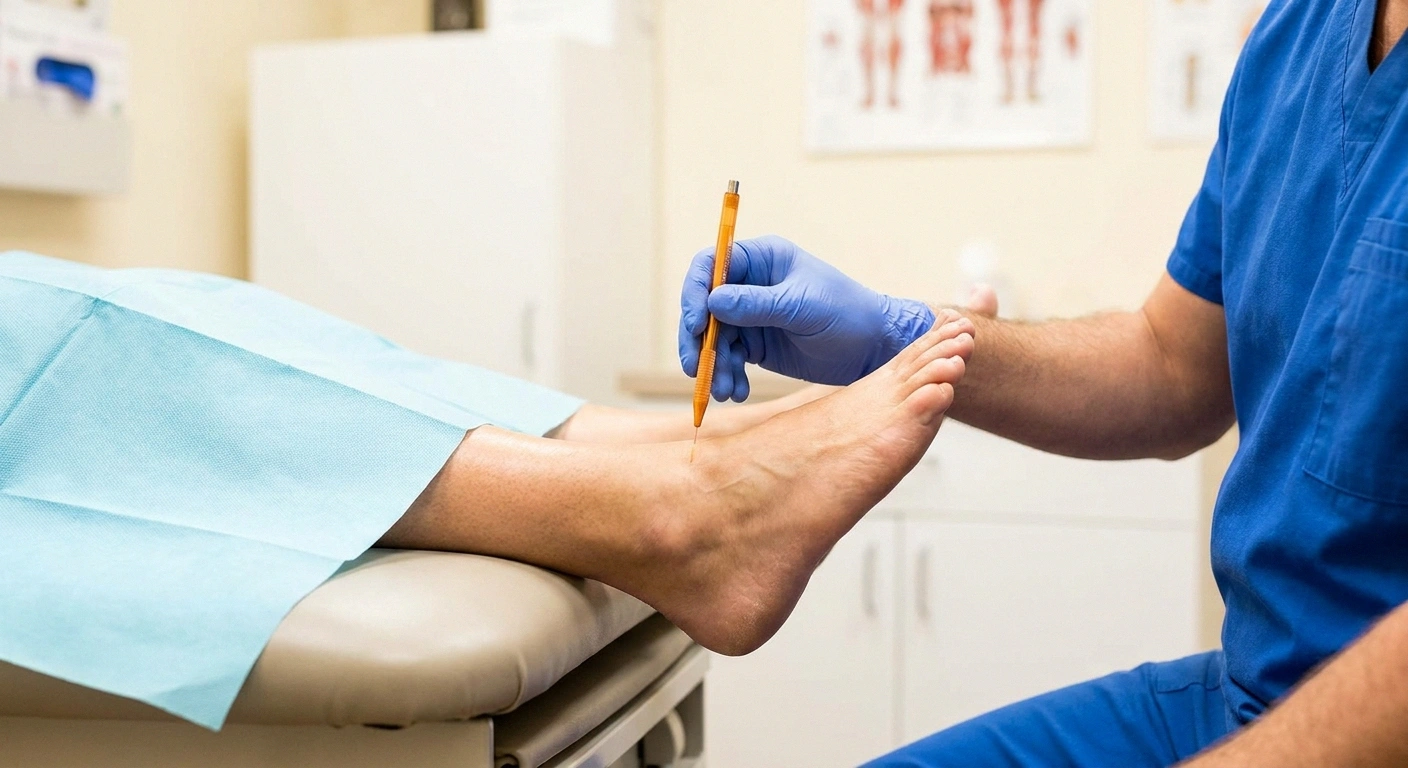
A skin punch biopsy, which samples a tiny piece of skin to examine nerve fiber density, can detect small fiber neuropathy years before other neurological testing would flag anything abnormal. Some researchers are investigating whether abnormal skin nerve density plus alpha-synuclein deposits in skin nerves could serve as a diagnostic biomarker for early Parkinson's disease.
This has practical implications for people who already have a PD diagnosis and are experiencing unexplained sensory symptoms. If your standard nerve conduction study came back normal, that doesn't rule out small fiber neuropathy. Asking your neurologist about a skin punch biopsy or referral to a neuropathy specialist may be worth pursuing — especially if the sensory symptoms are significantly impacting your quality of life.
How Neuropathy Makes Parkinson's Harder to Manage
Even if the underlying cause can't be fully addressed, understanding how neuropathy interacts with Parkinson's can help you and your care team make better decisions.
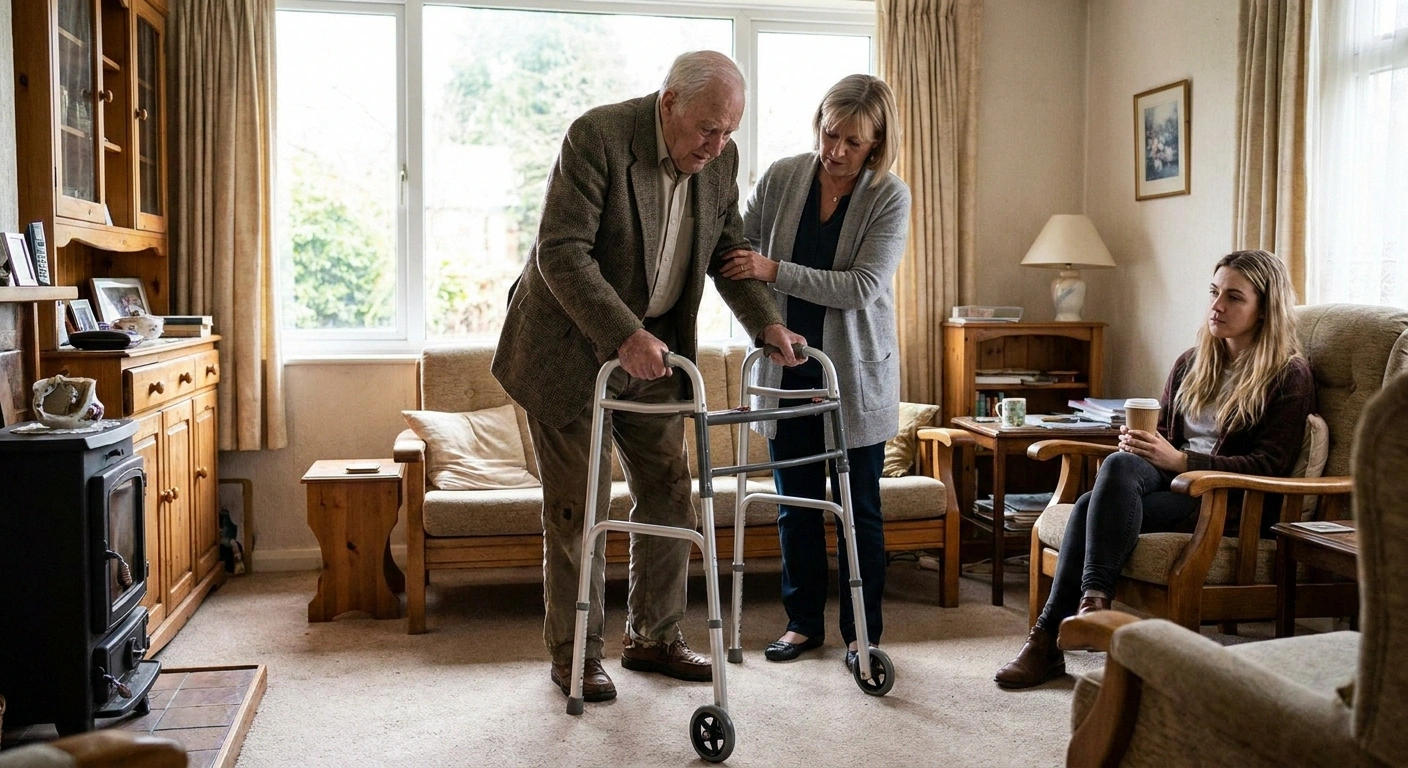
The most significant practical impact is on falls and balance. Parkinson's already impairs balance through its effects on the basal ganglia and postural reflexes. Add peripheral neuropathy — which removes the proprioceptive feedback your feet normally send to tell your brain where your body is in space — and the fall risk becomes substantially higher.
Research confirms this: PD patients with peripheral neuropathy have significantly shorter stride length, slower gait, and worse toe-off mechanics compared to PD patients without neuropathy. These are measurable differences that translate into higher fall rates and more severe injuries when falls occur. Good fall prevention strategies become even more critical in this population.
Neuropathy also complicates pain management. Neuropathic pain from peripheral nerve damage requires different treatments than the central pain mechanisms sometimes seen in Parkinson's. Pain that isn't being addressed correctly is more than just uncomfortable — it disrupts sleep, worsens mood, and reduces the motivation to stay active, which is itself critical for managing PD.
Finally, autonomic neuropathy (which is present in virtually all Parkinson's patients to some degree) can interact with standard PD medications in unexpected ways. Blood pressure fluctuations, which are common in autonomic neuropathy, can be worsened by some PD medications.
Getting Diagnosed: What Testing Makes Sense
If you suspect peripheral neuropathy on top of Parkinson's disease, here's what an appropriate workup typically looks like — and what to push for if your concerns aren't being taken seriously.
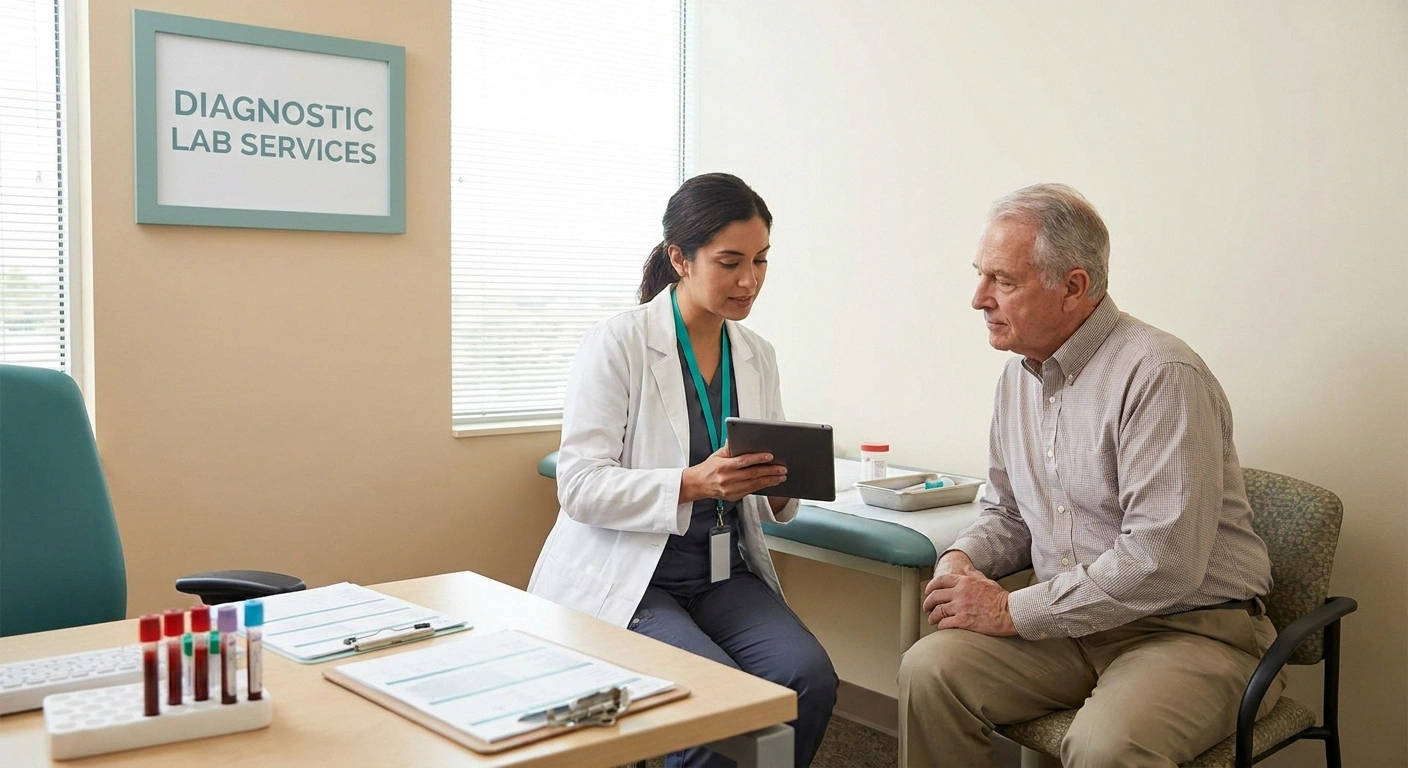
Blood tests first: Start with the basics that can identify treatable causes. Vitamin B12, methylmalonic acid (a more sensitive B12 marker), homocysteine, folate, complete metabolic panel, HbA1c (for diabetes), and thyroid function are all relevant. If you're on levodopa long-term, specifically check B12 and homocysteine — these are the most likely levodopa-related deficiencies. Medication-induced neuropathy from levodopa is one of the most actionable findings.
Nerve conduction study and EMG: This standard test measures electrical conduction through large nerve fibers. It will detect polyneuropathy affecting large sensory and motor fibers but will miss small fiber neuropathy entirely. A normal NCS does not rule out neuropathy in a Parkinson's patient.
Skin punch biopsy: This test, typically done at a specialized neuropathy center, assesses intraepidermal nerve fiber density and can detect small fiber neuropathy. It can also detect alpha-synuclein deposits in skin nerves, which may help confirm the Parkinson's-related mechanism. This is the test most likely to be missed if you're seeing a general neurologist rather than a movement disorder or neuropathy specialist.
Quantitative sensory testing: Measures sensitivity to temperature and vibration at specific body sites. Useful for documenting small fiber function.
The key message here is that standard testing often underestimates the extent of neuropathy in Parkinson's patients. If you're having significant symptoms and been told “your nerve tests are fine,” asking about skin biopsy and a neuropathy specialist referral is a reasonable next step.
Treatment and Management Options
Treatment of neuropathy in Parkinson's disease depends heavily on the underlying cause. Here's a breakdown by mechanism:

First Steps When Neuropathy and Parkinson's Overlap
For levodopa-associated neuropathy:
- B12 supplementation: If B12 is deficient, supplementation is the first step. Injected B12 may be more effective than oral in some patients, particularly those with absorption issues.
- Folate supplementation: Supports the metabolic pathway that handles homocysteine
- Homocysteine-lowering: B6, B12, and folate together can reduce elevated homocysteine, which is directly neurotoxic
- COMT inhibitors: Some neurologists have explored adjusting levodopa regimens or adding COMT inhibitors (which can reduce levodopa dosage needs) to reduce the homocysteine burden, though this requires careful management
For symptom management regardless of cause:
- Neuropathic pain medications: Gabapentin (Neurontin), pregabalin (Lyrica), and duloxetine (Cymbalta) are commonly used for neuropathic pain. These are the same medications used for neuropathy from any cause.
- Topical treatments: Capsaicin cream, lidocaine patches, and compounded topical creams can help with localized pain without systemic effects — often preferable in PD patients already managing multiple medications.
- Physical therapy: Specifically targeting balance, gait, and proprioception can meaningfully reduce fall risk in the PD-plus-neuropathy combination. A physical therapist experienced with both conditions is ideal.
- Foot care: Reduced sensation means foot injuries can go unnoticed. Daily foot inspection, appropriate footwear for neuropathy, and regular podiatry checks are important.
Lifestyle and supportive care:
- Regular exercise, particularly walking and balance work, benefits both PD and neuropathy
- Anti-inflammatory diet supports nerve health generally
- Fall prevention modifications at home, especially in the bathroom and on stairs
- Assistive devices: canes, walkers, and orthotic insoles can compensate for the combined balance deficits
There's no simple fix when two complex neurological conditions overlap. But identifying that both are present is the essential first step — because treating them as one undifferentiated problem often means neither is being managed optimally.
Talking to Your Neurologist About This
Many neurologists, particularly those who specialize in movement disorders, are aware of the Parkinson's-neuropathy connection — but not all will proactively screen for it. And if your primary care doctor is managing your Parkinson's, they may be even less likely to flag this overlap.
Questions to Ask Your Neurologist
- “Can we check my B12 and homocysteine levels?”
- “Would a skin punch biopsy be appropriate for my symptoms?”
- “Could my levodopa dose be contributing to my neuropathy?”
- “Is there a physical therapist who specializes in both Parkinson's and neuropathy?”
Here's what to bring up at your next appointment:
- “I've been experiencing [tingling/burning/numbness] in my feet/hands — could this be peripheral neuropathy separate from my Parkinson's?”
- “Can we check my B12 level and homocysteine, given that I've been on levodopa for [X years]?”
- “I've heard about skin punch biopsies for small fiber neuropathy — would that be appropriate for my symptoms?”
- “Are there any physical therapy programs that specifically address balance in people who have both Parkinson's and neuropathy?”
You have every right to advocate for a complete workup. The neuropathy component of what you're experiencing may be partially or fully addressable — and that could meaningfully improve your daily function and quality of life.
I think about Gloria's husband often. Once his neurologist checked his B12 and found it was significantly depleted, adding B12 supplementation helped — not a complete resolution, but a real improvement in the burning sensations that had been keeping him awake. It didn't fix his Parkinson's. But separating out what could be addressed made things a little more manageable. Sometimes that's exactly what people need.
Frequently Asked Questions
Does Parkinson's disease cause peripheral neuropathy?
Research shows that peripheral neuropathy is significantly more common in people with Parkinson's disease than in the general population, with prevalence estimates ranging from 4.8% to 55% depending on the study. The connection is real and involves multiple mechanisms, including effects of Parkinson's medications (particularly levodopa), the spread of abnormal alpha-synuclein protein into peripheral nerves, and shared genetic risk factors. However, neuropathy in a Parkinson's patient may also have independent causes like diabetes, vitamin deficiency, or alcohol use that coincidentally occur alongside PD.
Can levodopa cause neuropathy?
Long-term levodopa use has been associated with peripheral neuropathy in multiple studies. The mechanism involves levodopa metabolism generating homocysteine, a neurotoxic compound, and depleting vitamin B12 and folate over time. Patients on levodopa for many years, particularly at higher doses, appear to have higher rates of neuropathy. Checking B12 and homocysteine levels is recommended for Parkinson's patients with neuropathy symptoms, as supplementing B12 and folate may help address this component of the nerve damage.
What is small fiber neuropathy in Parkinson's disease?
Small fiber neuropathy affects the smallest nerve fibers responsible for pain, temperature sensation, and autonomic functions. In Parkinson's disease, small fiber neuropathy has been found even in patients who haven't started medication, suggesting it may result from the disease process itself, including alpha-synuclein deposits in peripheral nerves. Critically, small fiber neuropathy does not show up on standard nerve conduction studies (NCS/EMG) and requires specialized testing such as a skin punch biopsy. Many Parkinson's patients may have small fiber neuropathy that goes undetected because the appropriate test wasn't ordered.
How do I know if my symptoms are from Parkinson's or from neuropathy?
There's meaningful overlap, which makes this genuinely difficult. Some clues that neuropathy may be a separate contributor: burning pain in the feet (more typical of neuropathy), symptoms significantly worse at night, a clear stocking-and-glove pattern of sensory loss in the feet and lower legs, symptoms that appeared before Parkinson's motor symptoms, and worsening that correlates with increased levodopa dose. A neurologist can order specific tests (B12, homocysteine, nerve conduction study, skin biopsy) to clarify what is contributing. Getting a correct picture matters, because some causes of neuropathy are treatable even when Parkinson's itself cannot be reversed.
Should neuropathy in Parkinson's change my treatment plan?
Yes, potentially. If levodopa-associated B12 depletion is contributing to your neuropathy, supplementing B12 and folate is a relatively simple addition that may help. If neuropathic pain is significant, adding appropriate pain management medications is appropriate. And if balance is compromised by neuropathy on top of Parkinson's, a specific fall prevention and balance rehabilitation program becomes even more important. Identifying neuropathy as a separate issue alongside PD opens up targeted interventions that wouldn't be considered if everything were attributed to Parkinson's disease alone.
Can exercise help neuropathy in Parkinson's disease?
Exercise is beneficial for both Parkinson's disease and peripheral neuropathy independently, and there's no reason to think the combination is different. Regular walking, balance training, and strength exercises help maintain nerve function, improve proprioception, and reduce fall risk. The Parkinson's Foundation recommends at least 150 minutes of moderate exercise weekly for people with PD, and this recommendation stands even in the presence of neuropathy, with modifications for safety (stable surfaces, appropriate footwear, supervision when needed).
Is neuropathy in Parkinson's reversible?
It depends on the cause. Neuropathy driven by B12 deficiency can partially or substantially improve once deficiency is corrected, though the extent of recovery depends on how long the deficiency lasted and how severe the nerve damage became. Neuropathy caused by alpha-synuclein pathology, being part of the disease process itself, is less likely to reverse but may be stabilized. Early intervention generally produces better outcomes than waiting until symptoms are severe. Asking your neurologist specifically about the likely cause of neuropathy in your case will give you the most realistic picture of what to expect.
About the Author