I've written about CBD oil for neuropathy before, and it's one of the most-read articles on this site. But I keep getting the same question in my support group: “What about the whole plant? What about THC? What about medical marijuana?”
It's a fair question — and one that deserves a thorough, honest answer. CBD is just one piece of the cannabis puzzle, and the research on THC and full-spectrum cannabis products for neuropathic pain is actually more extensive than many people realize.
Here's what I can tell you after digging through the clinical trials, talking to people in my community who've tried various forms of cannabis, and keeping up with the rapidly changing legal landscape: there's real science here, but it's complicated. The results are promising — not miraculous — and there are genuine risks alongside the potential benefits.
Let me walk you through what we actually know, what's still uncertain, and how to make an informed decision if you're considering cannabis for your nerve pain.
Understanding Cannabis: More Than Just CBD or THC
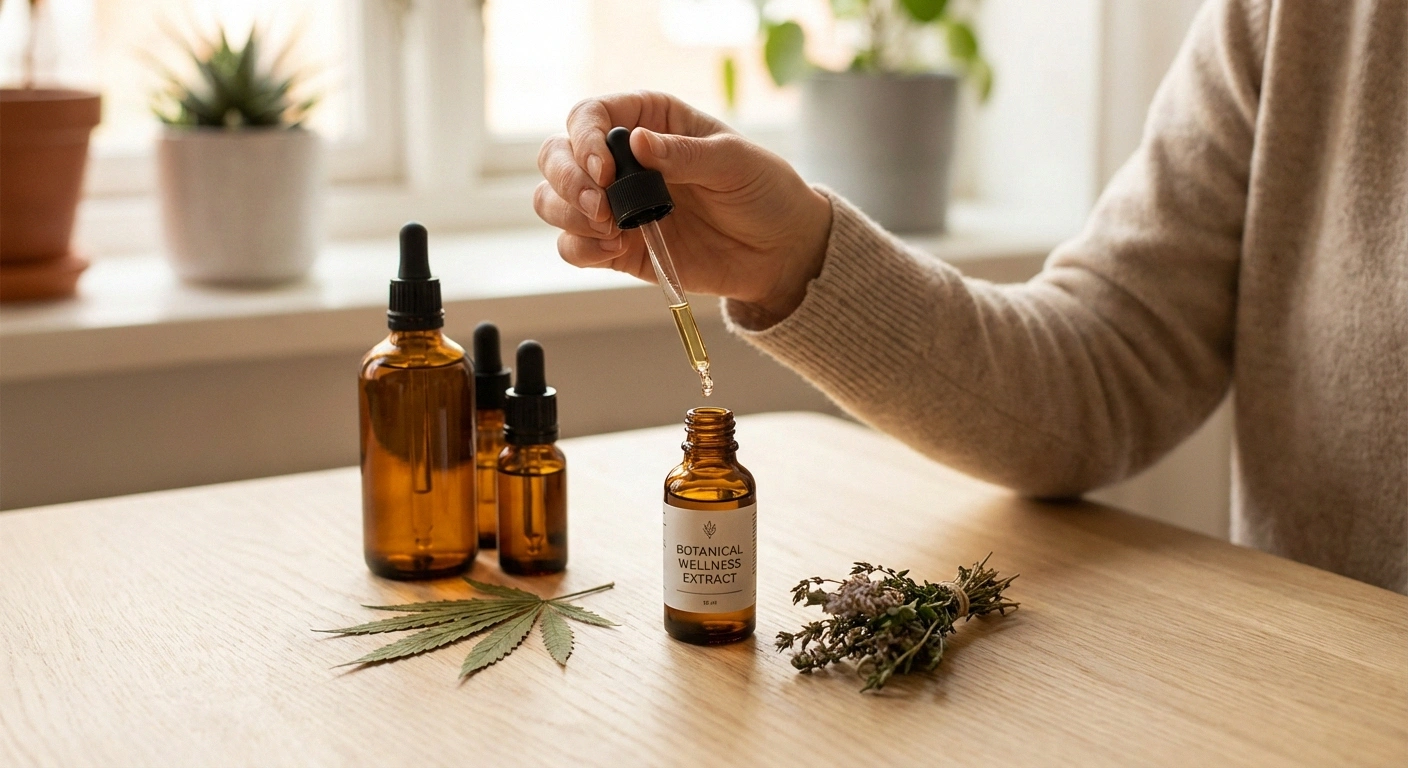
The cannabis plant contains over 400 chemical compounds, including more than 100 cannabinoids. But when we talk about cannabis for neuropathy, the conversation usually centers on two main players:
THC (tetrahydrocannabinol) is the psychoactive compound — the one that produces the “high.” But it's also a potent pain modulator. THC binds directly to CB1 receptors in your brain and nervous system, which are heavily involved in how your body processes pain signals. It's also a muscle relaxant and can improve sleep — both of which matter when you're living with neuropathy.
CBD (cannabidiol) is non-psychoactive and works differently. Rather than binding directly to cannabinoid receptors, CBD influences your endocannabinoid system indirectly — slowing the breakdown of your body's natural pain-relieving cannabinoids and reducing neuroinflammation through multiple pathways.
But here's where it gets interesting: cannabis also contains terpenes — aromatic compounds that may have their own pain-relieving properties. A 2024 study from the University of Arizona found that individual cannabis terpenes reduced chemotherapy-induced neuropathic pain in animal models at levels comparable to morphine. While animal studies don't always translate to humans, this suggests the plant's benefits may extend beyond just THC and CBD.
This is why the discussion about “whole plant” versus isolated compounds matters for neuropathy patients. Some researchers believe these compounds work better together — a concept called the entourage effect — though the scientific evidence for this idea is still limited.
What the Research Actually Shows
Let's look at what clinical trials — studies done on actual humans, not mice — tell us about cannabis for neuropathic pain. The evidence is more substantial than for many alternative treatments, though it's far from conclusive.
📊 Cannabis for Neuropathy: The Evidence at a Glance
Sources: 2024 Meta-Analysis (PubMed), Cochrane Review (16 trials, 1,750 patients)
The Numbers That Matter
A 2024 systematic review and meta-analysis examined 14 studies on cannabinoids for peripheral neuropathic pain. The findings: 13 of those 14 studies observed a statistically significant decrease in pain scores following cannabinoid treatment. Across the pooled data, patients experienced an average pain reduction of 0.67 points on a 0-to-10 scale compared with placebo.
Now, I want to be honest about what that number means. A 0.67-point average reduction sounds modest — and it is. But averages can be misleading. Within those studies, many individual patients experienced a 30% or greater improvement in pain, which is considered clinically meaningful. The Cochrane review of 16 trials involving 1,750 patients found that patients receiving cannabis-based treatments were significantly more likely to report this 30% pain improvement compared with those taking a placebo.
For context: standard neuropathy medications like gabapentin and pregabalin show similar modest average improvements in clinical trials, even though individual responses vary widely. Cannabis isn't dramatically better or worse than existing options — it appears to be another tool with a similar efficacy profile.
What Types of Cannabis Were Studied?
Most clinical trials on neuropathic pain used one of these forms:
- Inhaled cannabis (smoked or vaporized) — the most commonly studied form, with the fastest onset of effects. Multiple trials used cannabis with THC concentrations between 1% and 9.4%.
- Nabiximols (Sativex) — a prescription oromucosal spray containing a roughly 1:1 ratio of THC to CBD, approved in some countries but not in the United States.
- Dronabinol and nabilone — synthetic THC medications available by prescription in the U.S., primarily approved for chemotherapy-related nausea but studied for pain.
One notable finding: even low-dose vaporized cannabis (about 1.29% THC) produced significant pain relief in a clinical trial, suggesting that you don't necessarily need high-potency products to get a benefit. This matters because many adverse effects are dose-dependent — more THC means more side effects.
The Study You Should Know About
It's important to also mention a 2025 study that found no significant benefit with CBD/THC combination for peripheral neuropathic pain compared with placebo. This is a reminder that the research isn't uniformly positive — and that individual responses to cannabis vary enormously. What helps one person may do nothing for another.
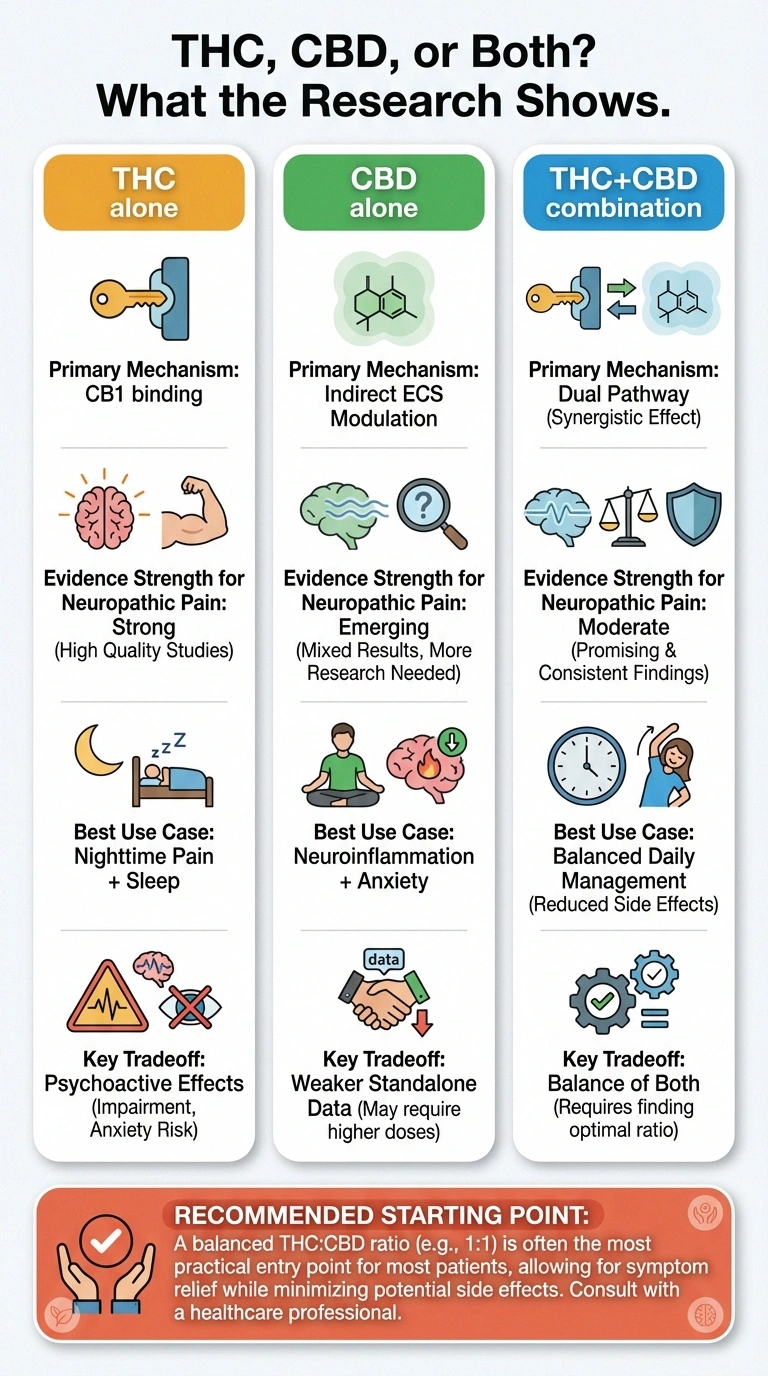
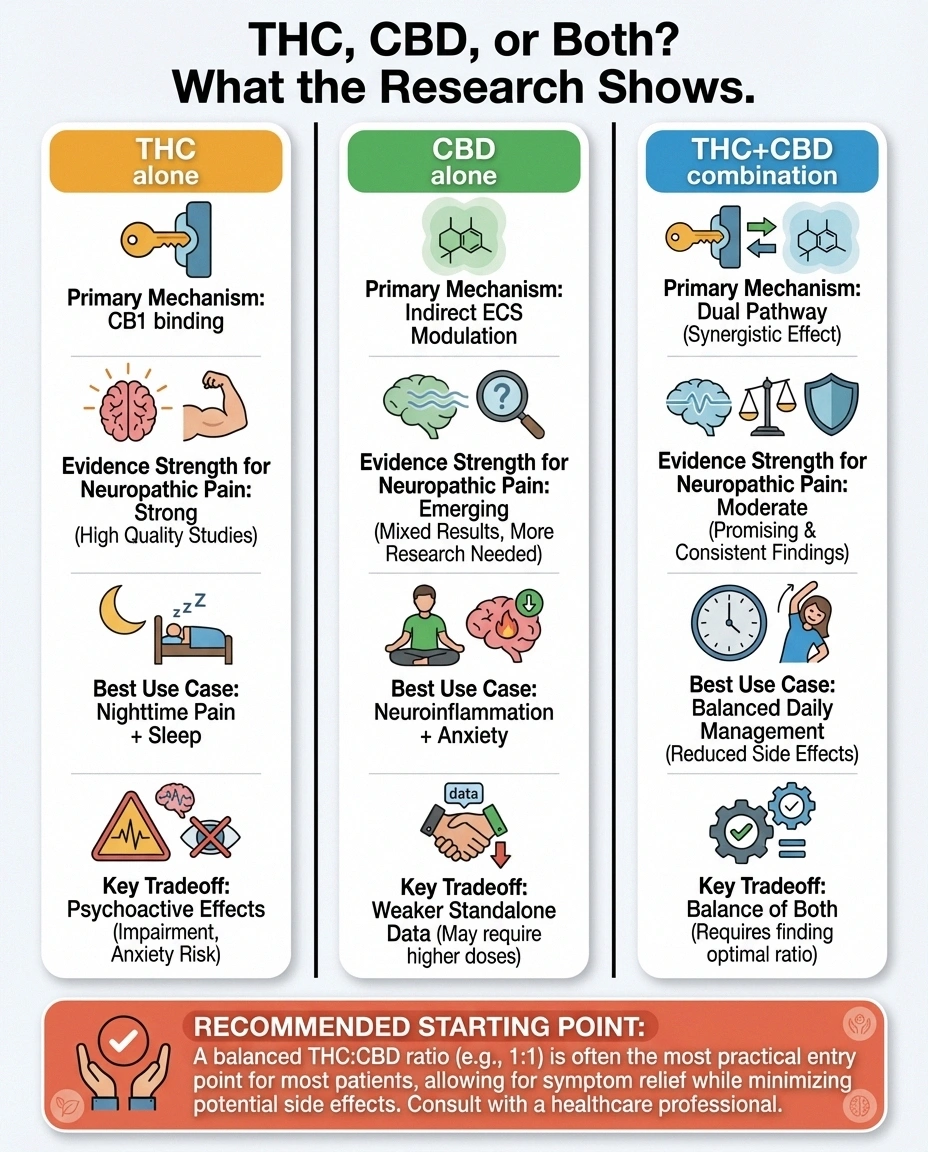
THC vs. CBD vs. Combination: Which Works Best for Nerve Pain?
This is probably the question I hear most often, and the honest answer is: it depends on the individual. But the research does offer some guidance.
THC vs. CBD vs. Combination for Neuropathy
THC
- ✅ Strongest direct pain relief
- ✅ Muscle relaxant + sleep aid
- ⚠️ Psychoactive effects
- ⚠️ May impair balance/coordination
- 📋 Most studied for neuropathic pain
CBD
- ✅ No psychoactive effects
- ✅ Anti-inflammatory/neuroprotective
- ✅ Helps with anxiety and sleep
- ⚠️ Weaker standalone pain relief
- 📋 Widely available without Rx
THC + CBD Combined
- ✅ Balanced pain relief
- ✅ CBD moderates THC side effects
- ✅ Improved sleep + mood
- ⚠️ Mixed results in studies
- 📋 Best starting point for most
THC alone has the strongest evidence for direct pain relief. It binds to CB1 receptors in the pain pathways and has demonstrated analgesic effects across multiple neuropathic pain studies. However, it comes with psychoactive effects that many people don't want — especially during the day.
CBD alone has anti-inflammatory and neuroprotective properties, but its evidence as a standalone pain reliever for neuropathy is weaker than THC's. Where CBD shines is in reducing neuroinflammation and potentially modulating the anxiety and sleep disruption that accompany chronic nerve pain. I covered this in detail in my CBD oil article.
THC + CBD combination may offer a balance — CBD can reduce some of THC's unwanted psychoactive effects while both compounds contribute to pain relief. Nabiximols (the 1:1 THC:CBD spray) has shown benefits in several neuropathic pain trials, though results have been mixed. A double-blind study published in the European Journal of Pain found that THC/CBD spray improved sleep quality and mood in people with neuropathy alongside modest pain reduction.
My take: if you're considering cannabis for neuropathy, a balanced THC:CBD product — or starting with a high-CBD, low-THC option — is probably the most reasonable approach for most people. It offers the best chance of benefit with manageable side effects.
How Cannabis Interacts With Your Nervous System
Understanding the mechanism helps explain why cannabis works for some neuropathy patients and not others.
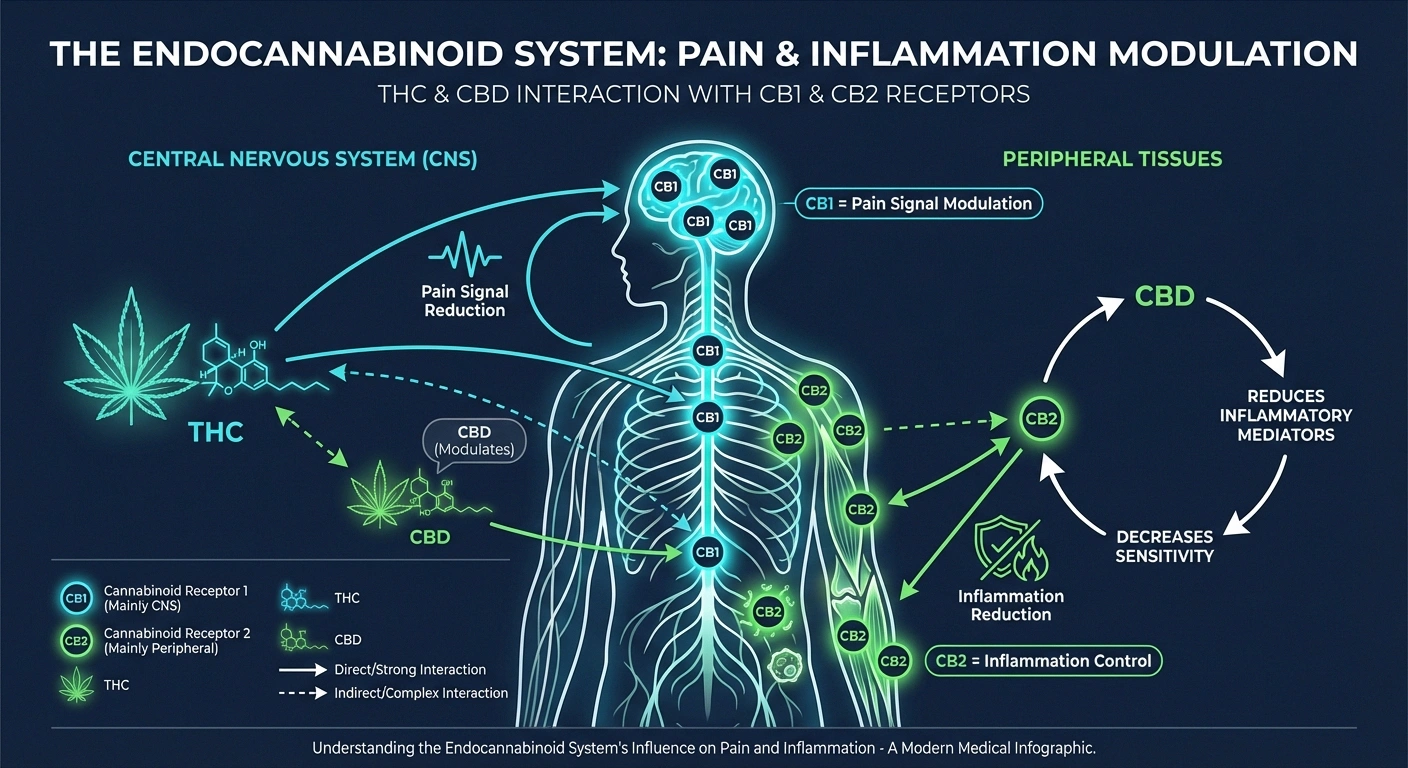
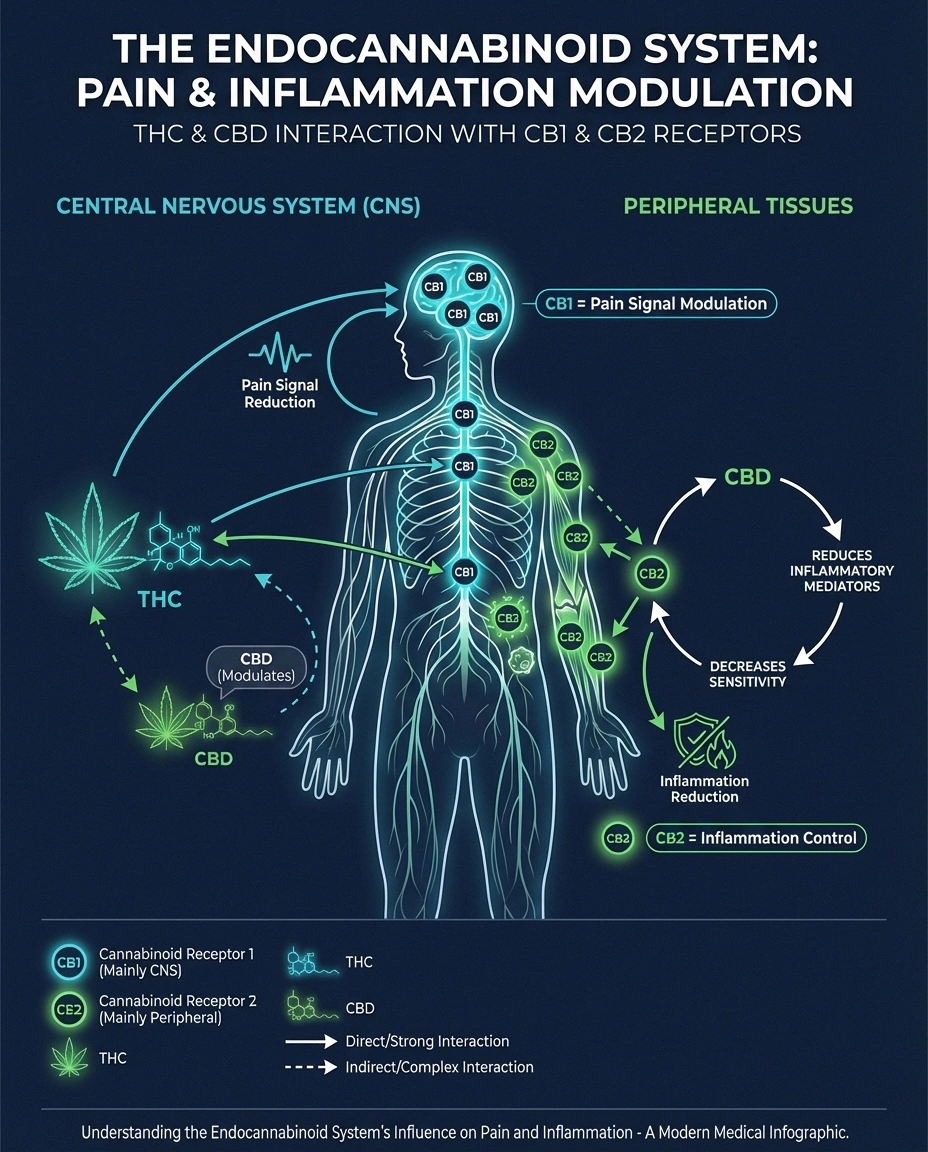
Your body has an endocannabinoid system (ECS) — a network of receptors and signaling molecules that help regulate pain, inflammation, mood, and immune function. Two key receptor types are involved:
- CB1 receptors are concentrated in the brain and spinal cord, particularly in areas that process pain signals — including the periaqueductal gray and the dorsal horn of the spinal cord. THC binds directly to these receptors, essentially turning down the volume on pain transmission.
- CB2 receptors are found mostly in immune cells and peripheral tissues. When activated, they help reduce inflammation, allodynia (pain from normally non-painful touch), and hyperalgesia (increased sensitivity to pain). Both THC and CBD can influence these receptors.
After nerve injury, neurons along the pain pathway become sensitized — they start firing more easily and responding more intensely. This is why a light touch can feel like burning or stabbing when you have neuropathy. Cannabinoids appear to work by modifying this sensitization process, inhibiting the overactive pain signals rather than simply masking the sensation.
Research also suggests that THC and CBD target alpha-3 glycine receptors in the spinal cord, which are involved in neuropathic pain processing. This provides a distinct mechanism separate from how opioids or anticonvulsants work — which is why cannabis sometimes helps patients who haven't responded to those medications.
Forms of Cannabis: What's Available and How to Choose
If you're considering cannabis for neuropathy, you'll encounter several forms, each with different onset times, durations, and dosing considerations.
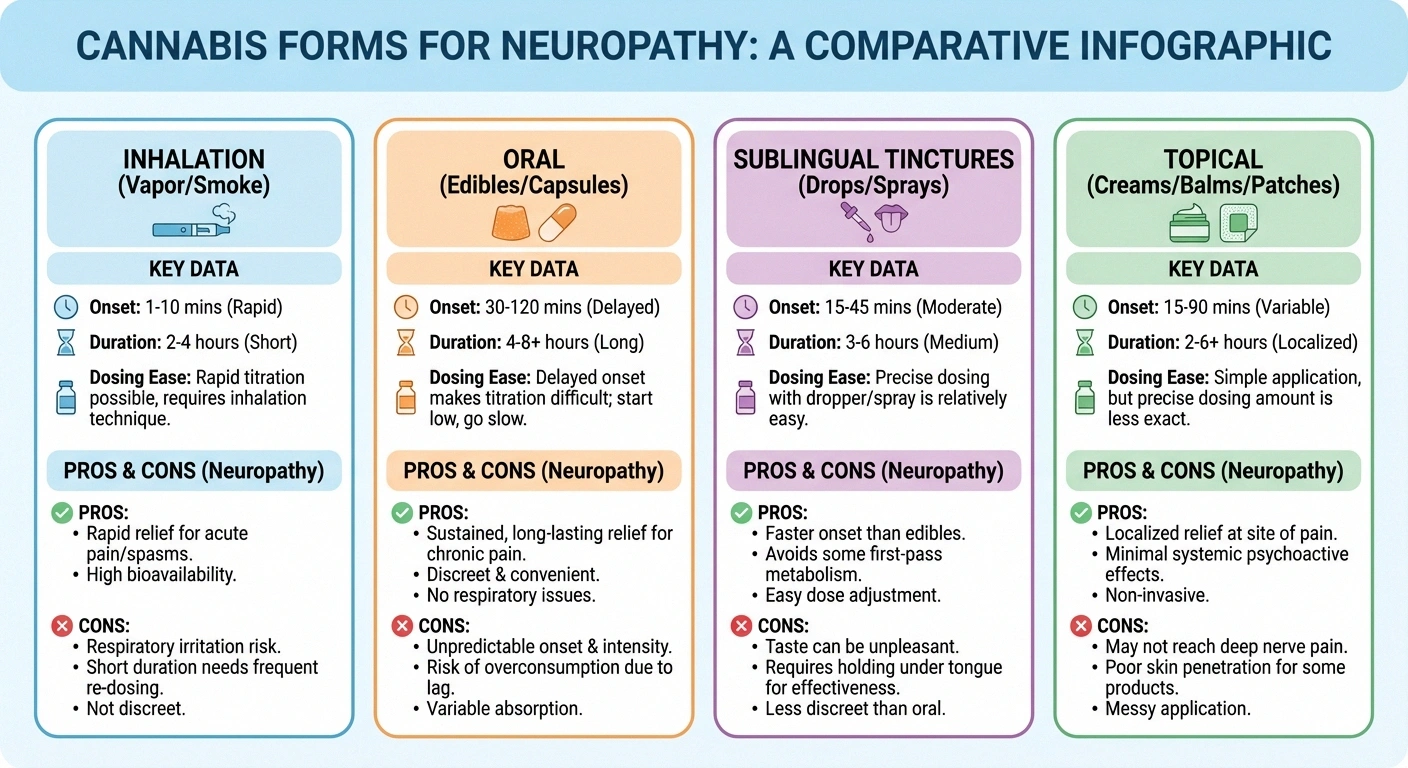
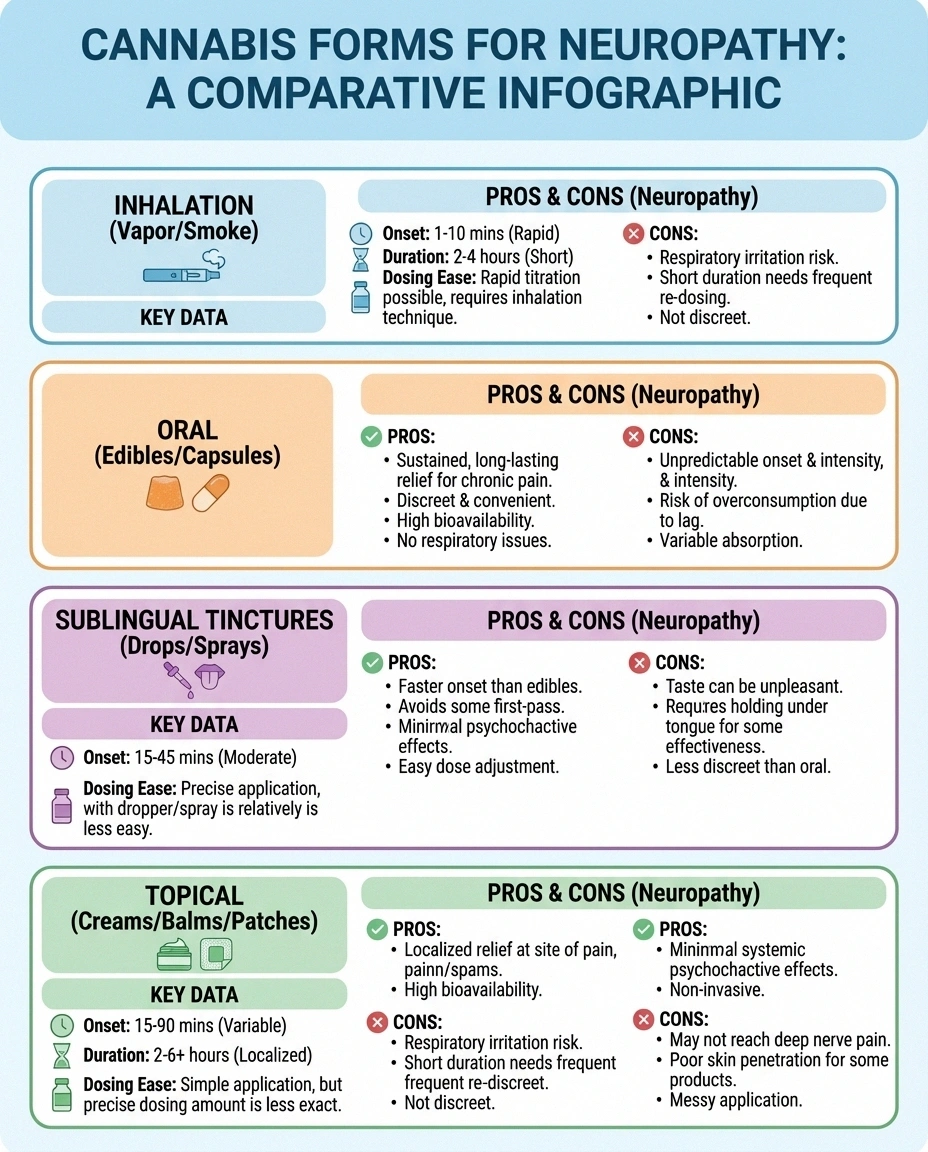
Inhalation (Vaporized or Smoked)
Effects begin within minutes and last two to three hours. This is the most studied form for neuropathic pain and allows the most precise dose titration — you can take a puff, wait, and decide if you need more. Vaporizing is generally preferred over smoking because it avoids combustion byproducts, though long-term respiratory effects of vaporizing are still not well studied.
Oral (Edibles, Capsules, Oils)
Effects take 30 minutes to 2 hours to begin but can last 4 to 8 hours. This is useful for sustained pain relief, especially overnight. The downside: dosing is harder to control because of the delayed onset. Many people make the mistake of taking more because they don't feel effects quickly enough, leading to uncomfortable overconsumption. Start with the lowest available dose — typically 2.5 to 5 milligrams of THC.
Sublingual (Tinctures, Sprays)
Applied under the tongue, tinctures offer effects within 15 to 30 minutes lasting about 4 hours. They offer more precise dosing than edibles and faster onset. This is how nabiximols (Sativex) is administered in clinical trials.
Topical (Creams, Balms, Patches)
Applied directly to painful areas. Topicals generally don't produce systemic effects or a “high.” They may provide localized relief for peripheral neuropathy symptoms, particularly in the feet and hands. Transdermal patches offer more sustained delivery but haven't been well-studied specifically for neuropathy. If you're interested in topical approaches, you might also want to read about capsaicin cream, which works through a completely different mechanism.
Side Effects and Risks: The Honest Assessment
I wouldn't be doing my job if I only told you about the potential benefits. Cannabis has real side effects, and some of them are particularly important for neuropathy patients to know about.
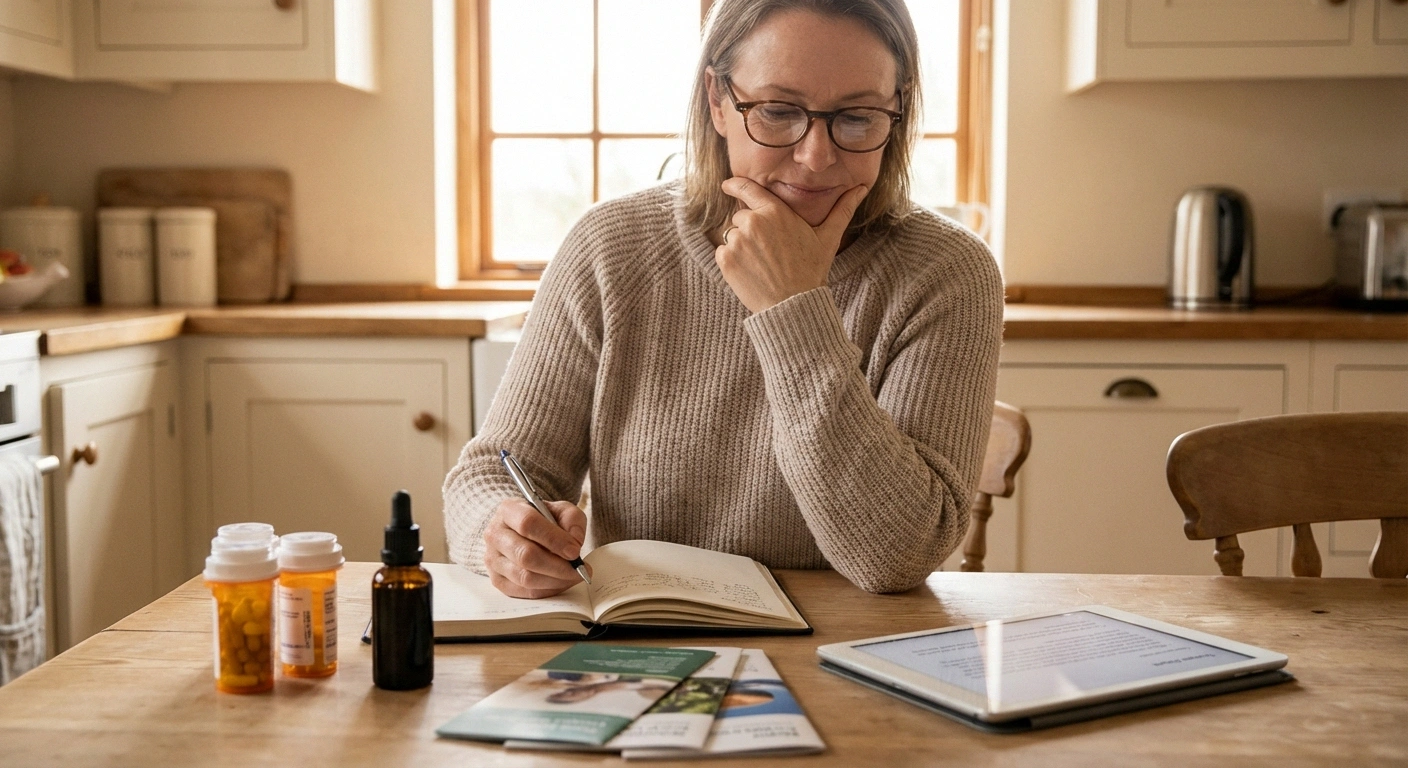
Important Safety Considerations for Neuropathy Patients
- Fall risk: THC-related dizziness combined with neuropathy balance problems significantly increases fall risk, especially in older adults
- Drug interactions: Both THC and CBD affect liver enzymes that metabolize gabapentin, pregabalin, duloxetine, and amitriptyline — always discuss with your doctor
- Driving: THC impairs driving ability. Combined with neuropathy sensory deficits, this is a serious safety concern
- Not lethal in overdose — unlike opioids, cannabis overdose is not fatal, though it can cause extremely unpleasant effects
Common Side Effects
- Cognitive impairment — difficulty concentrating, short-term memory issues, slowed reaction time. This is primarily from THC and is dose-dependent.
- Dizziness and lightheadedness — especially when standing, which is concerning for neuropathy patients who already have balance problems.
- Dry mouth — common but usually manageable.
- Throat irritation and cough — from inhaled forms.
- Fatigue and sedation — which can be a benefit if insomnia is your main issue, or a problem if you need to function during the day.
- Increased appetite — which may be relevant if you're managing weight alongside neuropathy.
Serious Concerns
- Fall risk — Dizziness, impaired coordination, and altered perception combine with neuropathy-related balance problems to significantly increase fall risk. This is especially concerning for older adults with neuropathy.
- Psychiatric effects — THC can trigger or worsen anxiety, paranoia, and in rare cases psychotic episodes, particularly at high doses or in people with a personal or family history of mental health conditions.
- Drug interactions — Cannabis can interact with many medications, including some commonly prescribed for neuropathy. Both THC and CBD affect liver enzymes that metabolize other drugs. If you take gabapentin, pregabalin, duloxetine, or amitriptyline, discuss cannabis use with your doctor.
- Dependence risk — About 9% of regular cannabis users develop a cannabis use disorder. This risk increases with earlier onset of use, daily use, and higher-potency products.
- Driving impairment — THC impairs driving ability, and combining it with neuropathy-related sensory deficits makes this a significant safety concern. If you've already had to consider your ability to drive with neuropathy, adding cannabis into the mix requires extra caution.
One reassuring note from the Cleveland Clinic Journal of Medicine review: unlike opioid pain medications, cannabis is not lethal in overdose, and trials done in humans have overall shown an acceptable safety profile at therapeutic doses. But acceptable safety isn't the same as zero risk.
Cannabis and Your Other Neuropathy Treatments
Most people considering cannabis aren't looking to replace their current medications — they're hoping to add something that helps where existing treatments fall short. Here's what to consider about combining cannabis with common neuropathy therapies:
With prescription medications: Cannabis may allow some patients to reduce doses of other pain medications, but this should never be done without medical supervision. Both THC and CBD affect the cytochrome P450 enzyme system in the liver, which metabolizes many common drugs. This can increase or decrease the blood levels of other medications you're taking.
With supplements: There are no known dangerous interactions between cannabis and common neuropathy supplements like alpha-lipoic acid, magnesium, or B12. However, combining cannabis with melatonin may increase drowsiness.
With physical treatments: Cannabis doesn't interfere with physical therapy, acupuncture, or TENS units. Some patients report that using cannabis before stretching or yoga helps them relax and tolerate exercises better, though impaired coordination is a consideration.
The Legal Landscape: What You Need to Know
This is perhaps the most confusing aspect of cannabis for neuropathy patients. As of early 2026, marijuana remains illegal under U.S. federal law — classified as a Schedule I controlled substance with “no currently accepted medical use.” Yet the vast majority of states have enacted their own medical marijuana laws.
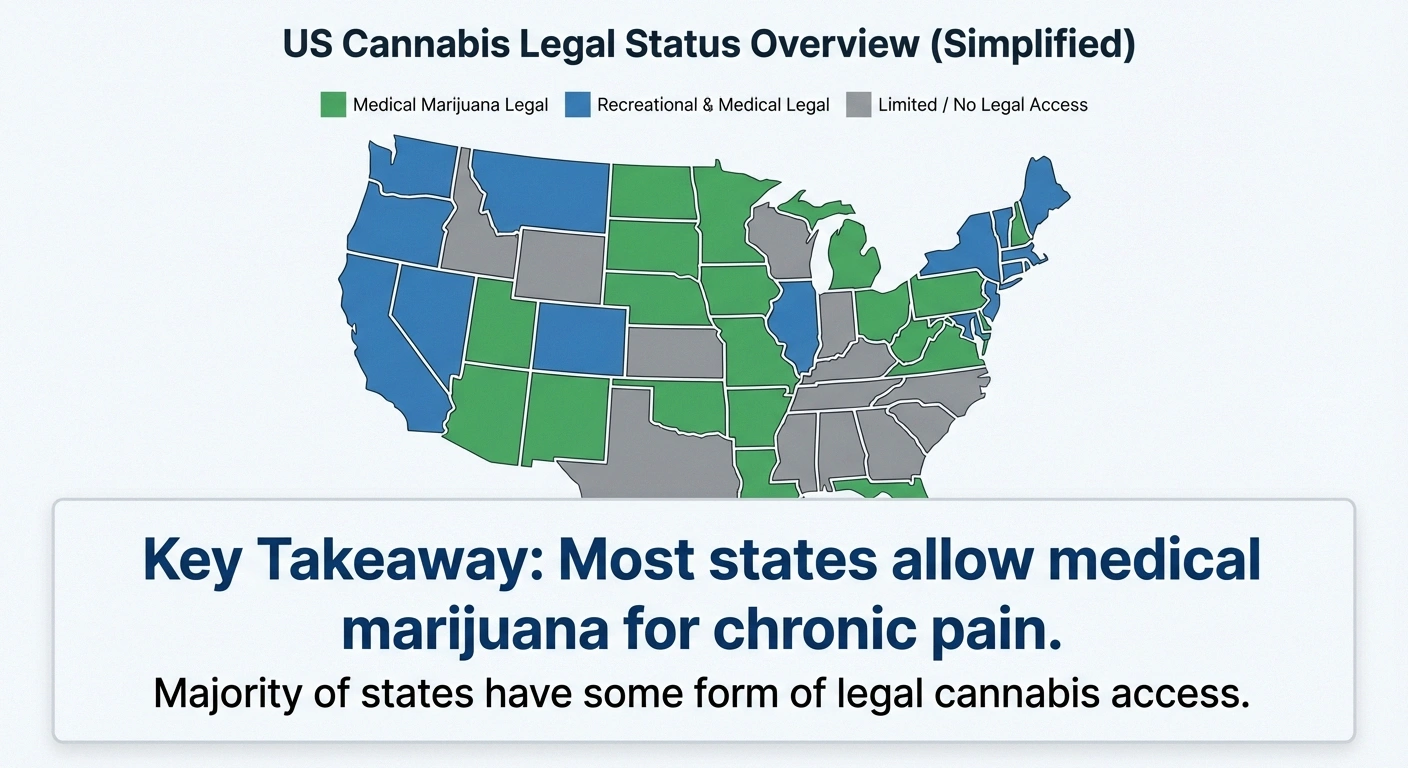
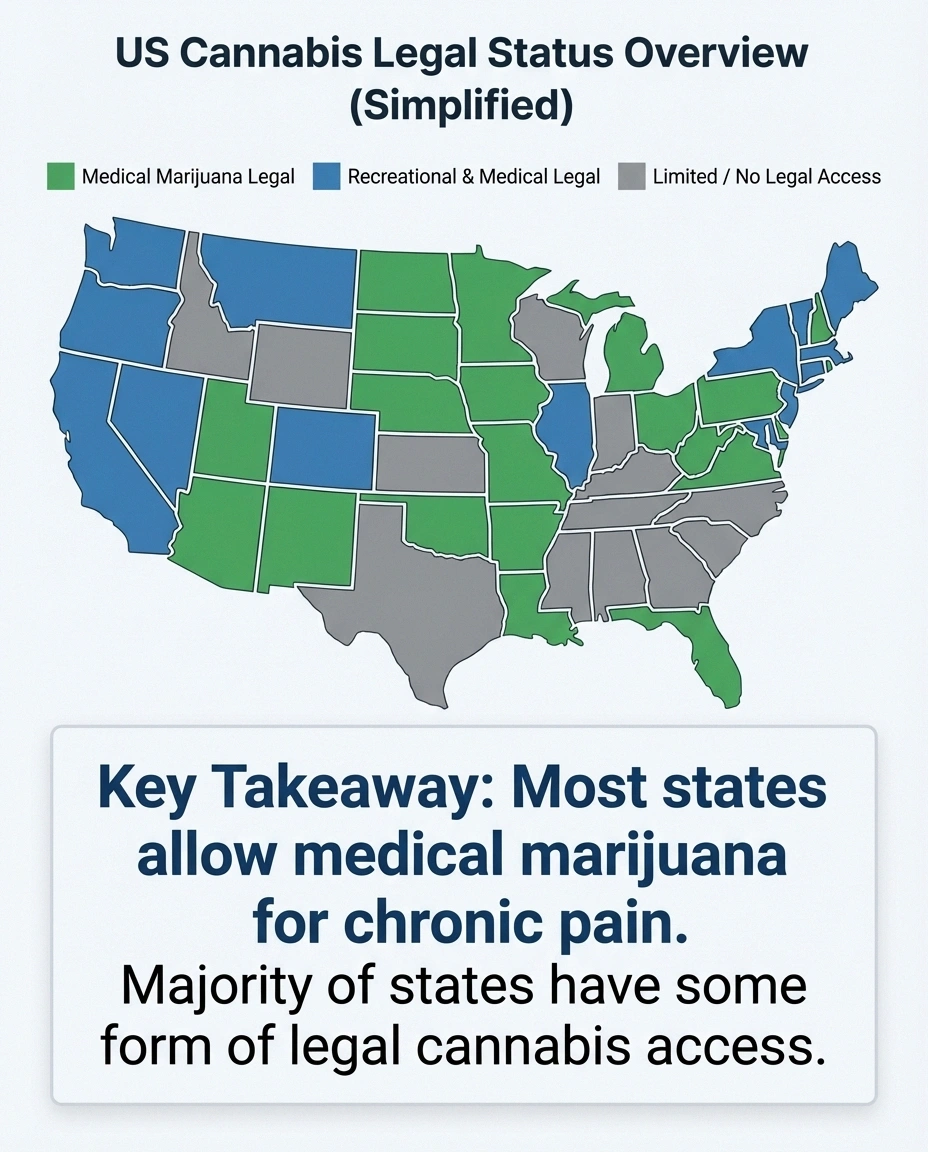
Here's the practical reality:
- Most states allow medical marijuana for chronic pain or neuropathy — though the specific qualifying conditions, product types, and regulations vary widely. In some states, you need a physician certification; in others, neuropathy must be explicitly listed as a qualifying condition.
- CBD derived from hemp (containing less than 0.3% THC) is legal federally under the 2018 Farm Bill and available without a prescription in all 50 states. However, the quality and accuracy of labeling varies enormously — this is an unregulated market.
- Recreational marijuana is legal in nearly half of U.S. states, meaning adults can purchase THC-containing products without a medical card. The products themselves are essentially the same as medical marijuana.
- If you have a federal job, security clearance, or professional license — even medical marijuana use can create complications because of the federal classification. This is a real consideration that I've seen affect people in my community.
Check your state's specific medical marijuana program if you want the most controlled, medically supervised approach. Many programs now offer physician consultations to help you choose appropriate products and dosing.
How to Talk to Your Doctor About Cannabis
I know this conversation can feel awkward. Many neuropathy patients worry that their doctor will judge them, dismiss them, or even fire them as a patient. Here's my advice from watching hundreds of these conversations happen:

Be direct and frame it as a medical question: “I've been reading about cannabis-based treatments for neuropathic pain and wondering if it might be appropriate for me, given that my current medications aren't providing enough relief.”
Come prepared: Know your state's medical marijuana laws. Bring this article or references from the clinical trials. Doctors are more receptive when patients demonstrate they've done genuine research rather than just hearing about it from a friend.
Discuss drug interactions: If you take any medications, your doctor needs to assess potential interactions. This alone is reason enough to have this conversation rather than just self-medicating.
If your doctor isn't open to the conversation: That's their right, and it doesn't make them wrong. But you can ask for a referral to a pain specialist or a physician who is registered to certify patients for your state's medical marijuana program. I have more tips in my guide to talking to your doctor about neuropathy pain.
Practical Guidance: If You Decide to Try Cannabis
If you and your doctor decide cannabis is worth trying, here's the approach supported by the clinical evidence and by common sense:
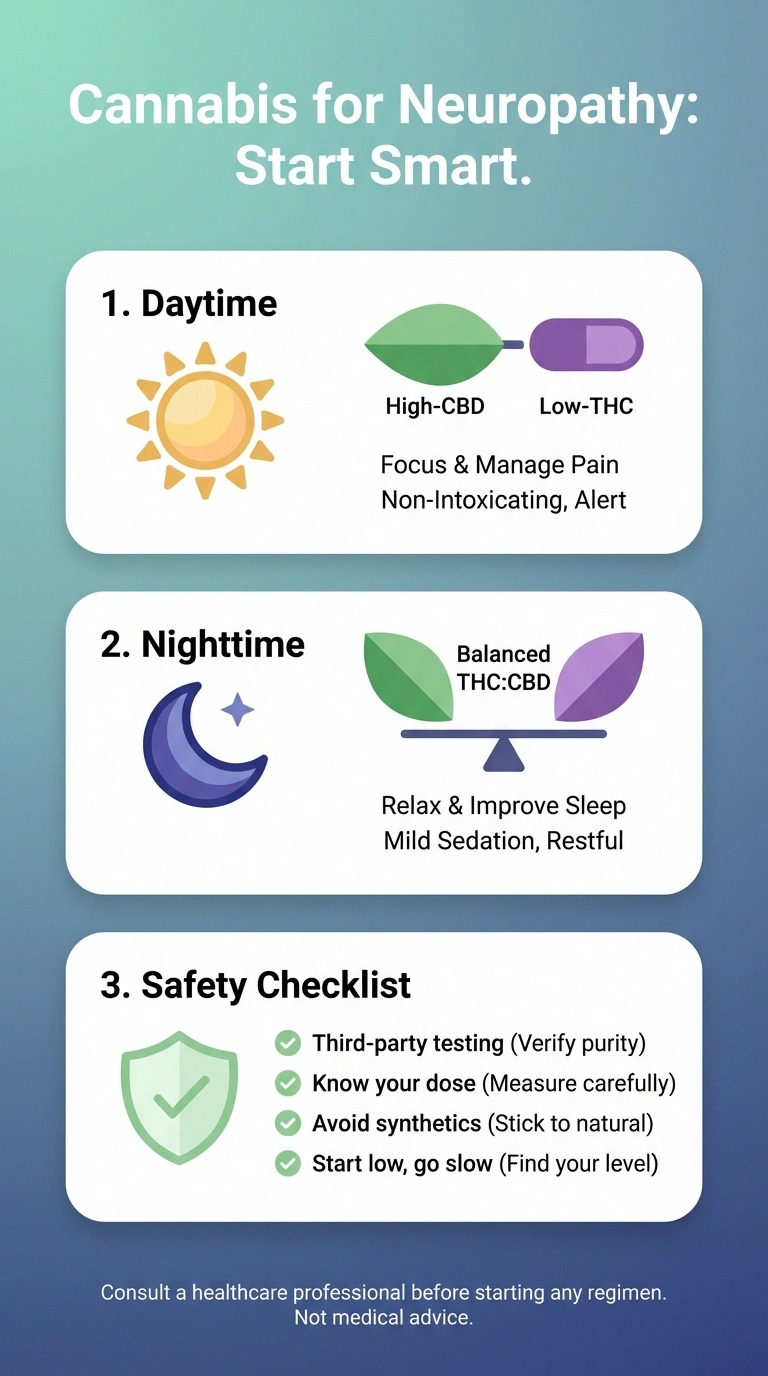
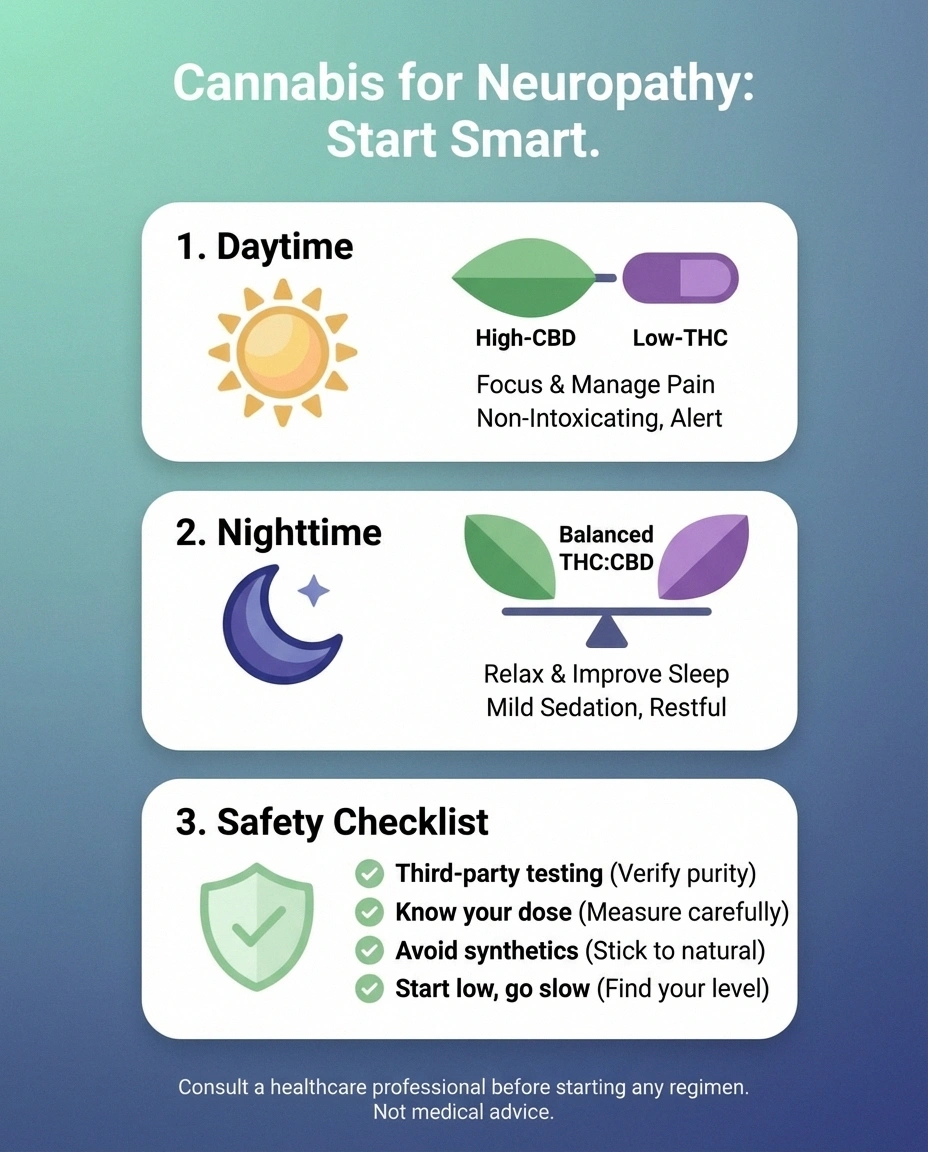
🌿 Start Low, Go Slow: Your First Steps
Daytime
High-CBD, low-THC
(10:1 ratio or higher)
or topical only
Nighttime
Balanced or THC-dominant
1 hour before bed
Start at 2.5 mg THC
Quality Check
Licensed dispensary
Third-party lab tested
Know exact mg dosage
Start Low, Go Slow, Stay Low
This is the most commonly recommended approach by doctors who certify cannabis patients. Begin with the lowest available dose — especially with THC — and increase gradually over days or weeks until you find the minimum effective dose. More is not better with cannabis; higher doses tend to bring more side effects without proportionally more pain relief.
One study found significant pain relief with inhaled cannabis containing just 9.4% THC — considerably lower than what's commonly sold in dispensaries, where products often range from 15% to 30% THC. You don't need the strongest product on the shelf.
Consider Your Goals
- Daytime pain relief without impairment? Try a high-CBD, low-THC product (CBD:THC ratio of 10:1 or higher), or a topical applied directly to painful areas.
- Nighttime pain and sleep improvement? A balanced or THC-dominant product taken an hour before bed may help with both pain and the nighttime symptom flare-ups that so many neuropathy patients experience.
- Supplementing existing medications? Start with CBD and add THC gradually, monitoring for drug interactions with your doctor's guidance.
What to Look for in Products
- Choose products from licensed dispensaries or brands that provide third-party lab testing (certificates of analysis).
- Know the exact THC and CBD content in milligrams — not just percentages.
- Avoid synthetic cannabinoids (sometimes called “synthetic marijuana” or “spice”) — these are dangerous, unpredictable, and have nothing to do with actual cannabis.
- Be cautious with edibles until you understand your tolerance — the delayed onset makes overconsumption common.
Frequently Asked Questions
Is cannabis better than gabapentin or pregabalin for neuropathy?
Neither is universally better. Clinical trials show that cannabis and prescription anticonvulsants provide similar levels of average pain relief, though individual responses vary significantly. Some patients respond well to one and not the other. Cannabis may be an option for people who haven't found adequate relief from standard medications, or who experience intolerable side effects from them. It is not recommended as a first-line treatment by any major medical organization.
Can I use cannabis if I take other neuropathy medications?
Possibly, but only under medical supervision. Both THC and CBD affect liver enzymes that metabolize many common medications. This can change how much of your other medications stays active in your body, potentially increasing side effects or reducing effectiveness. Always tell your doctor about any cannabis use before adjusting other medications.
How quickly does cannabis work for nerve pain?
Inhaled cannabis provides effects within minutes and is the fastest delivery method. Sublingual tinctures take fifteen to thirty minutes. Edibles can take one to two hours to reach full effect. For chronic neuropathy management, consistent use over days to weeks may be needed to assess whether cannabis is genuinely helping, similar to how gabapentin or duloxetine need time to reach full effectiveness.
Will cannabis make my neuropathy worse?
There is no evidence that cannabis worsens the underlying nerve damage that causes neuropathy. However, THC-related side effects like dizziness and impaired balance can temporarily worsen functional problems that many neuropathy patients already experience. Starting with low doses minimizes this risk.
Is medical marijuana the same as recreational marijuana?
The products themselves are often identical. The difference is in the access framework, medical oversight, and legal protections. Medical marijuana programs typically offer more guidance from certified physicians, may provide access to a wider range of product formulations, and may offer legal protections that recreational use does not. From a treatment standpoint, working within a medical program provides better dosing guidance and monitoring.
Can cannabis help with diabetic neuropathy specifically?
Most clinical trials on cannabis for neuropathic pain included mixed populations, and diabetes-related neuropathy was represented in several studies. The available evidence suggests cannabis may help with diabetic neuropathic pain similarly to other types. However, patients with diabetes should be aware that cannabis can affect appetite and blood sugar management. If you have diabetes, discuss cannabis use with your endocrinologist as well as your neurologist. For more on protecting your nerves with diabetes, see our neuropathy and diabetes prevention guide.
The Bottom Line
Cannabis for neuropathy sits in that complicated middle ground between “proven treatment” and “unproven remedy.” The clinical evidence is real — multiple well-designed studies show modest but meaningful pain improvement for some patients. But the evidence isn't strong enough to make cannabis a first-line recommendation, and there are genuine risks that need to be weighed against the potential benefits.
What I tell people in my support group: if you've tried standard treatments without adequate relief, cannabis is worth discussing with your doctor. Approach it the same way you'd approach any other treatment — with realistic expectations, a plan for monitoring your response, and a willingness to stop if it's not helping or if side effects outweigh the benefits.
The research in this field is moving quickly. Clinical trials are ongoing, legalization is expanding, and our understanding of how cannabinoids interact with the nervous system is deepening. What we know today may look very different in five years. But based on what we know right now, cannabis is a legitimate option that deserves a place in the conversation — not as a miracle cure, but as one more tool in an admittedly limited toolbox for neuropathic pain.
Talk to your doctor. Start low. And above all, make an informed choice. You deserve that.
About the Author