Browse all our living with neuropathy guides for more articles like this one.
There's something about putting your hands in soil that no medication can replicate. The rhythm of planting, the patience of waiting, the quiet pride of watching something grow — gardening feeds a part of us that has nothing to do with nerve endings and everything to do with being human.
So when neuropathy starts stealing the feeling in your hands and feet, threatening your balance, and making every garden task hurt or feel dangerous, the grief is real. I've had members of our support community tell me, with tears in their eyes, that they thought their gardening days were over.
They're not. I promise. You may need to garden differently than you did five or ten years ago — but different doesn't mean lesser. In fact, some of the adaptations people discover end up making gardening more enjoyable, not less. Let me show you how.
Why Gardening Is Actually Good for Neuropathy
Before we get into the practical tips, let me make the case for why gardening isn't just something you can keep doing — it's something that may actually help your neuropathy.
- Gentle exercise: Gardening involves walking, bending, reaching, and carrying — all forms of gentle, functional movement that keeps blood flowing to your extremities. Research consistently shows that regular physical activity helps neuropathy, and gardening is one of the most natural ways to stay active without it feeling like “exercise.”
- Improved circulation: The physical activity of gardening promotes blood flow to your hands and feet — exactly where neuropathy does its worst. Better circulation means more oxygen and nutrients reaching damaged nerves.
- Mental health benefits: Living with chronic nerve pain takes a toll on your emotional wellbeing. Time in nature, the satisfaction of nurturing growth, and the meditative quality of garden work have all been linked to reduced anxiety and improved mood. We know that mental health and neuropathy are deeply connected, and gardening addresses both.
- Social connection: Community gardens, garden clubs, and simply sharing your harvest with neighbors provide social interactions that combat the isolation that neuropathy can bring.
- Sense of purpose: When neuropathy takes away some of what you could do, gardening gives you something meaningful that's yours — something that responds to your care and effort.
The Real Safety Concerns (and How to Address Them)
Let's be honest about the challenges. Neuropathy creates specific safety risks in the garden that you need to take seriously — not to scare you away from gardening, but so you can address them and garden confidently.
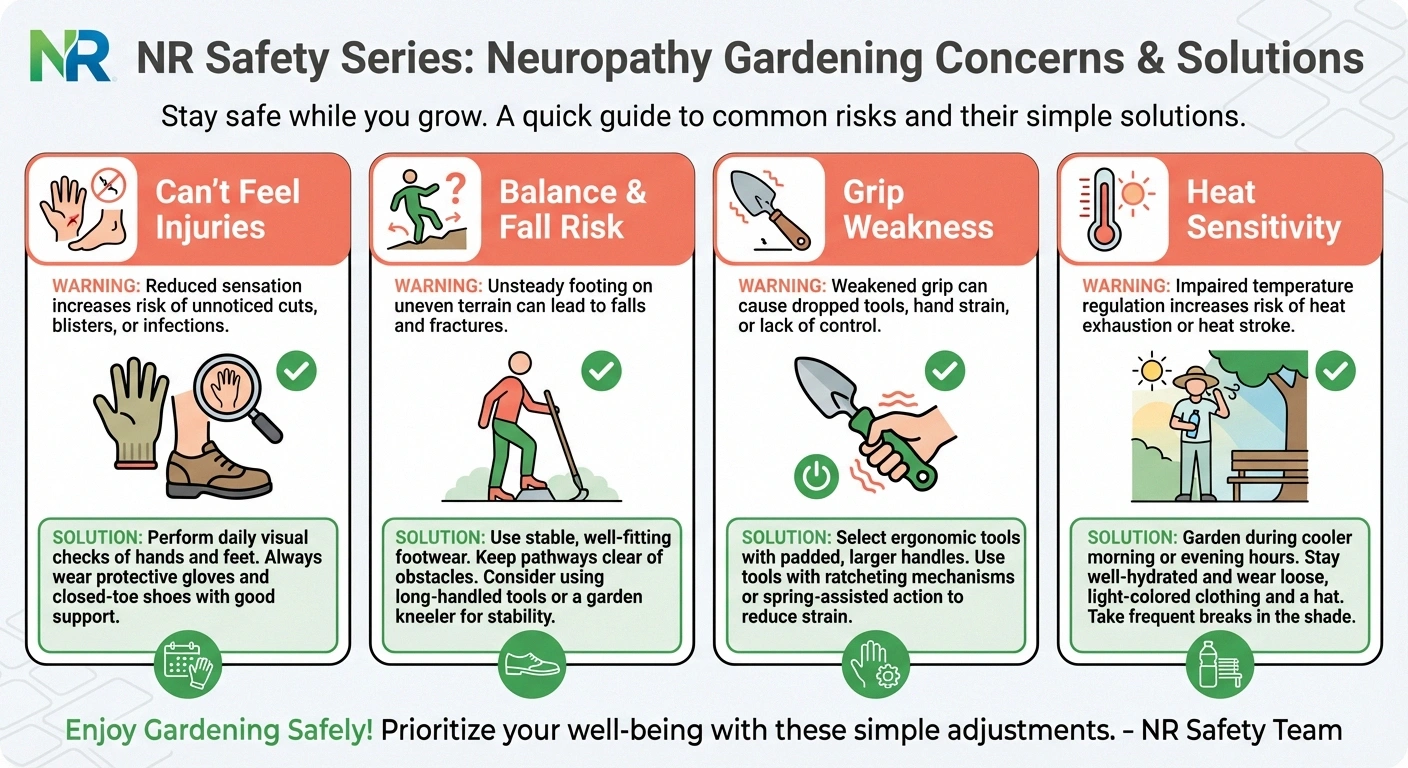
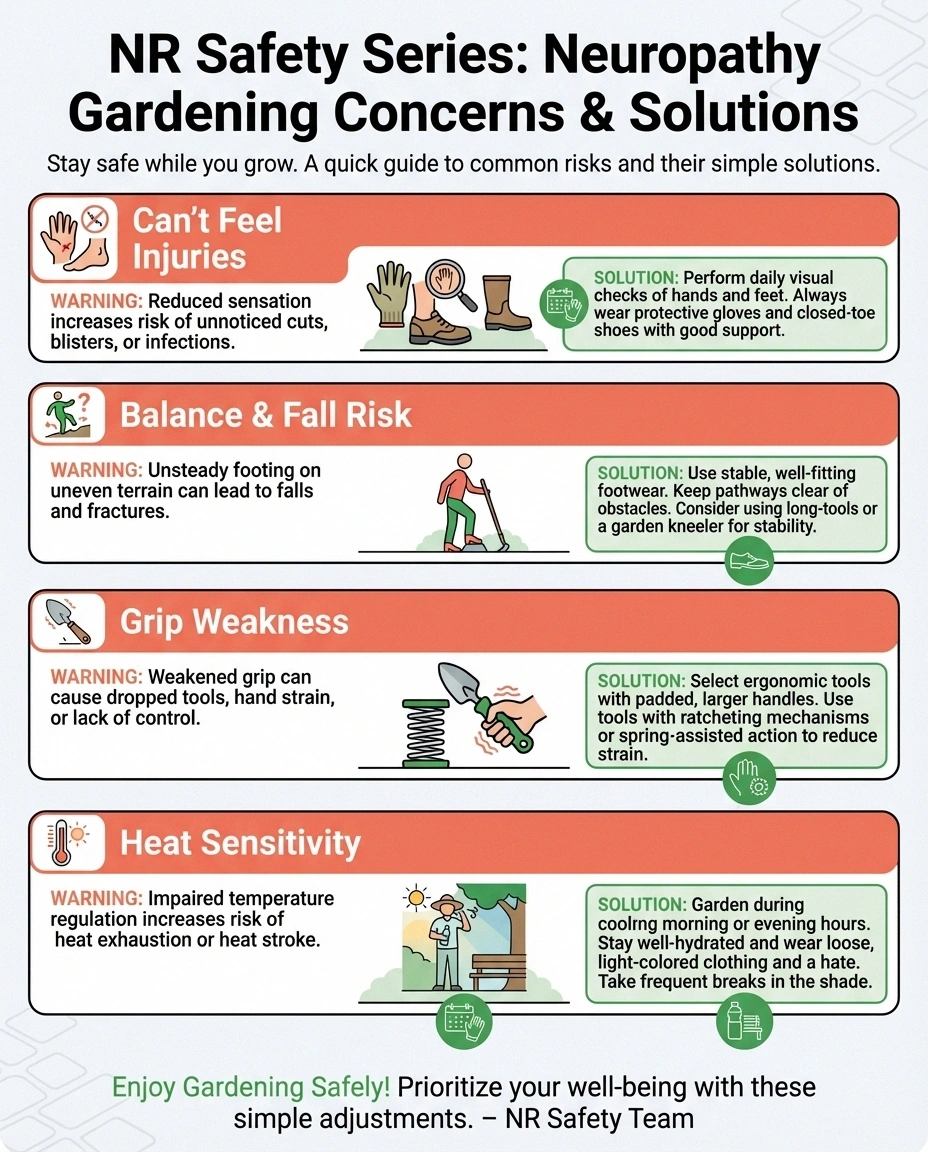
☐ Wear thick gardening gloves
☐ Apply sunscreen and insect repellent
☐ Set a timer for breaks (every 20-30 minutes)
☐ Check the temperature — plan for shade and water
☐ Inspect feet and hands (so you have a baseline)
☐ Have your phone within reach (in case of a fall)
You Can't Always Feel Injuries
This is the biggest concern. When you have reduced sensation in your hands and feet, you may not notice cuts from thorns, blisters from tool handles, insect bites, burns from hot surfaces, or splinters. One member of our community shared that he had serious blisters and fire ant bites on his legs without knowing — all from a routine afternoon in the yard.
Solutions:
- Do a full hand and foot inspection before and after every gardening session
- Wear supportive, protective shoes — never garden barefoot or in sandals
- Use thick, protective gardening gloves for all tasks (we'll cover the best types below)
- Apply sunscreen and insect repellent even if you can't feel the bugs or the burn
- Set a timer to check yourself every 30 minutes during long sessions
Balance and Fall Risk
Neuropathy affects your proprioception — your body's sense of where your feet are in space. Uneven ground, stepping over garden borders, reaching across beds, and kneeling then standing all become fall risks. We cover strategies for this in our article on neuropathy and fall prevention, and many of those principles apply directly to the garden.
Solutions:
- Create wide, level pathways (at least 3 feet wide) with firm, non-slip surfaces
- Install handrails or grab bars at key transition points
- Use a garden stool or kneeling bench with handles for support when standing up
- Avoid reaching across wide beds — design beds you can access from both sides
- Keep pathways clear of hoses, tools, and debris
Grip Weakness and Hand Numbness
When you can't fully feel your grip or your hands tire quickly, you risk dropping tools (including sharp ones), overgripping to compensate (which causes fatigue faster), and not realizing when a tool is rubbing a blister. If you experience neuropathy in your hands, these adaptations become essential.
Solutions:
- Invest in ergonomic tools with padded, non-slip grips
- Use tools with larger-diameter handles (easier to hold with reduced sensation)
- Try strap-on tool holders that attach to your hand or wrist
- Take breaks before your hands tell you to — with neuropathy, they might not
Heat Sensitivity
Many people with neuropathy find that heat worsens their symptoms — more burning, more tingling, more pain. Hot summer gardening can trigger neuropathy flare-ups and is genuinely dangerous if you can't feel how hot surfaces or the sun have become. Our article on neuropathy and heat sensitivity covers this in detail.
Solutions:
- Garden during the coolest parts of the day — early morning or late afternoon
- Create shaded areas in your garden with pergolas, umbrellas, or shade cloth
- Keep a cooler of cold water nearby
- Wear a cooling vest or wet bandana on hot days
- Be cautious of hot metal tools, stone surfaces, and paved paths that absorb heat
Designing a Neuropathy-Friendly Garden
If you have the opportunity to redesign or adapt your garden space, these changes can make gardening safer, more comfortable, and more sustainable for years to come.
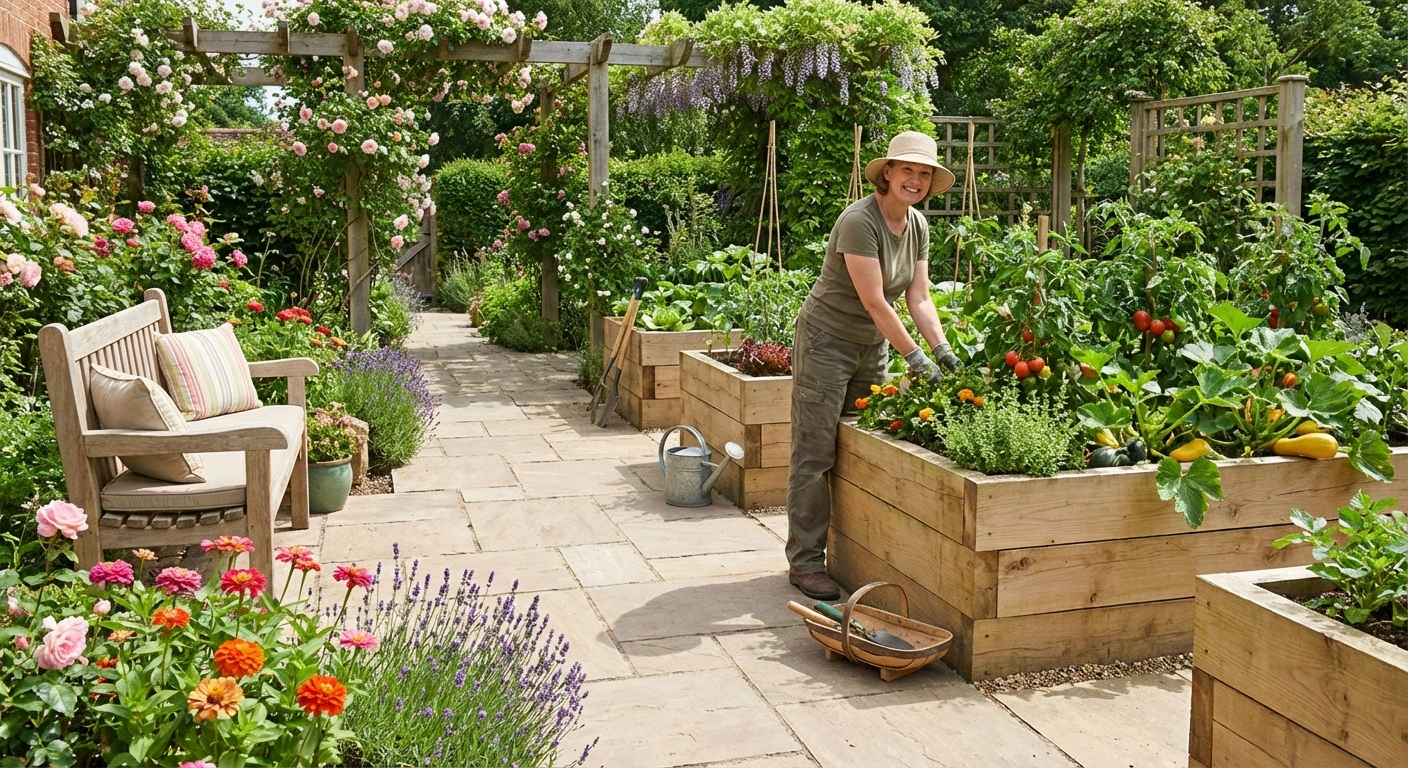
Raised Beds
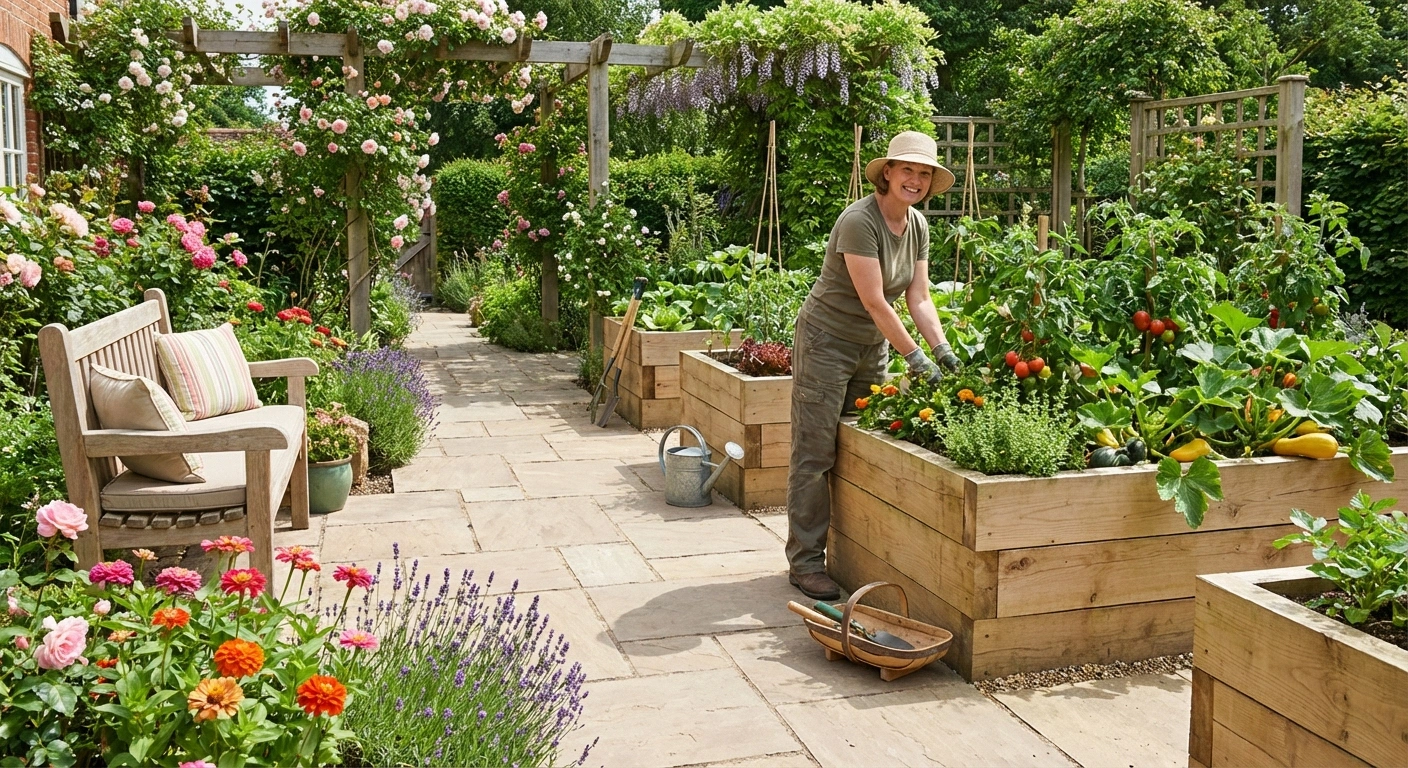
Raised beds are probably the single best investment for a gardener with neuropathy. They reduce bending, bring plants to a comfortable working height, and eliminate the need to kneel on the ground. For the best accessibility, build raised beds 28-30 inches high and no wider than 4 feet (so you can reach the center from either side without overextending).
If building from scratch, consider adding a wide ledge around the top edge — wide enough to sit on. This gives you a built-in seat right at your workspace.
Container Gardening
Container gardening is beautifully flexible. Pots can be placed at any height — on tables, shelves, stands, or deck railings. You can bring them inside during extreme weather. And on bad symptom days, you can tend a single pot on your kitchen table instead of facing the whole garden.
Herbs, tomatoes, peppers, lettuce, strawberries, and most flowers grow beautifully in containers. Start small and expand as you discover what works for you.
Pathways and Surfaces
The ground you walk on matters enormously when you have balance concerns and reduced foot sensation. Ideal garden pathways for neuropathy:
- Firm and level — packed gravel, pavers, or concrete (avoid loose gravel, bark mulch, or uneven stepping stones)
- Wide — at least 3 feet, wider if you use a walker or wheelchair
- Well-lit — especially for early morning or evening gardening
- Color-contrasted — different colors or textures at edges and transitions help your eyes compensate for what your feet can't feel
- Smooth transitions — no raised edges, steps, or sudden changes in height
Seating Areas
Scatter comfortable seating throughout your garden — not just one bench by the back door. Having a place to rest every few steps means you can pace yourself naturally. Sturdy chairs or benches at regular intervals make the garden feel welcoming rather than daunting. A garden stool on wheels that you can roll along your beds is another popular option.
Shade Structures
A simple pergola, shade sail, or even a large patio umbrella creates a comfortable working zone that protects you from heat and sun exposure. Position shade structures over your primary working areas — raised beds, potting benches, and seating areas.
Essential Tools and Adaptations
The right tools transform the gardening experience when you have neuropathy. Here's what to look for:
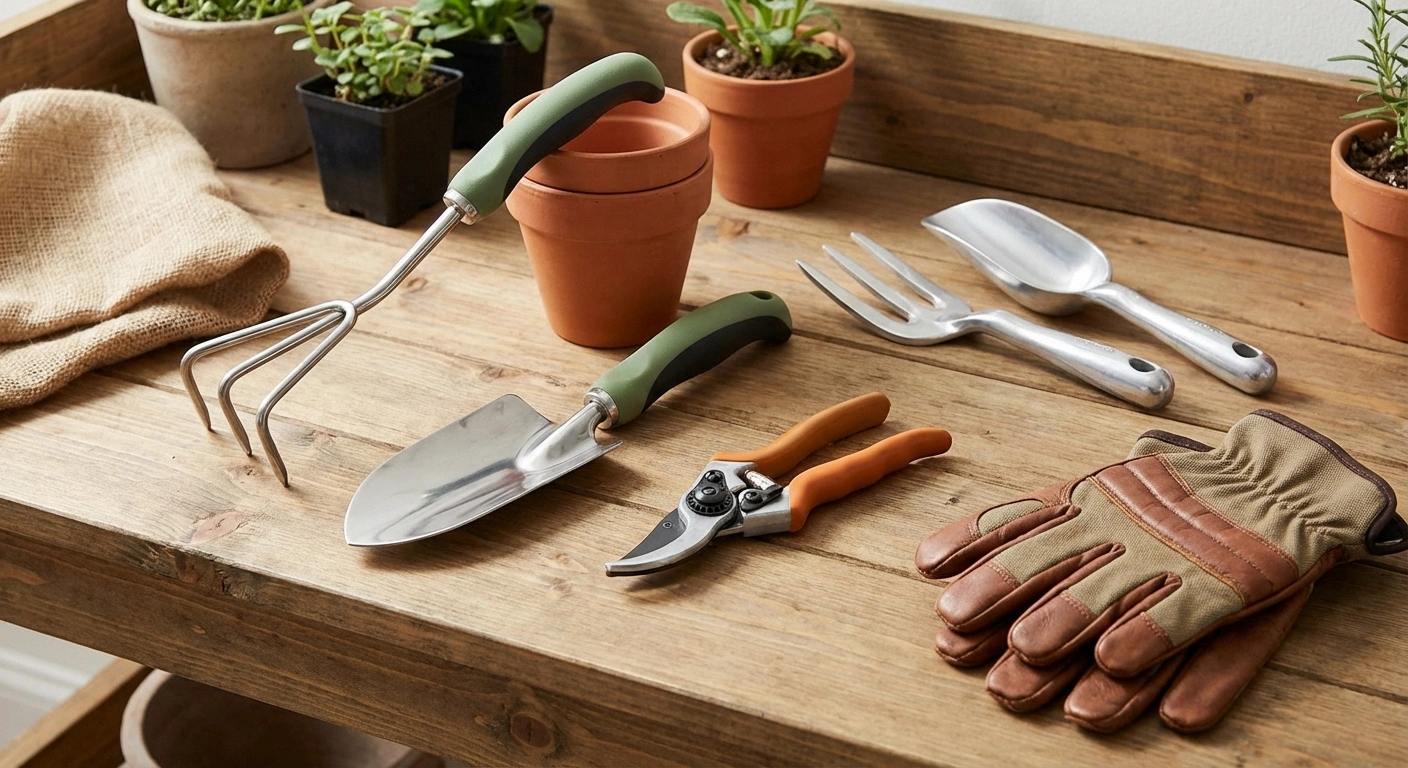
Ergonomic Hand Tools
- Padded, non-slip grips: Look for tools with foam, rubber, or contoured handles that require less grip strength. Some companies (like Radius Garden and Fiskars) specialize in ergonomic designs.
- Larger-diameter handles: Wider handles distribute pressure across your palm, reducing fatigue and blister risk.
- Spring-loaded tools: Pruners and scissors that spring open automatically mean your hands do half the work.
- Lightweight materials: Aluminum-handled tools weigh significantly less than steel, reducing arm fatigue.
Long-Handled Tools
Long-handled versions of common tools — trowels, cultivators, weeders, and watering wands — reduce bending and reaching. Extendable handles that adjust to your height are particularly useful.
Knee Pads and Garden Seats
- Kneeling pads with handles: Thick foam kneelers with sturdy side handles help you get down and — more importantly — get back up safely.
- Rolling garden seats: Low stools on wheels let you sit at bed height and scoot along as you work.
- Garden scooters: Four-wheeled platforms you can kneel or sit on while moving through the garden.
Watering Solutions
Heavy hoses and watering cans are challenging when you have grip weakness or balance concerns. Consider:
- Drip irrigation systems: Once set up, they water automatically — no carrying, no bending.
- Lightweight hoses: Expandable, compact hoses weigh a fraction of traditional ones.
- Hose reel systems: Keep hoses off pathways (trip hazard!) and make them easy to manage.
- Watering wands: Long-reach wands with thumb controls mean you don't need to carry heavy cans.
Protecting Your Hands and Feet
This deserves its own section because it's that important. When you can't rely on sensation to alert you to injuries, you need to be proactive about protection.
Gloves
- Wear gloves for every garden task — even ones that seem harmless
- Choose gloves with puncture-resistant fingertips for working around thorns or rough materials
- Look for snug but not tight fits — too tight restricts blood flow, too loose reduces control
- Consider padded palm gloves that reduce vibration from power tools
- Keep multiple pairs so you always have a clean, dry pair ready
Footwear
Proper foot care is one of the most critical aspects of living with neuropathy, and it extends to the garden. Your gardening footwear should be:
- Closed-toe and closed-heel — no sandals, no clogs, no flip-flops
- Sturdy-soled — thick enough to protect from sharp objects you might step on
- Supportive — good ankle support helps with balance on uneven ground
- Non-slip — treaded soles for wet grass and muddy paths
- Properly fitted — check inside for pebbles or bunched socks before putting them on (you might not feel them otherwise)
Our guide to the best shoes for neuropathy can help you find options that work in and out of the garden.
The Before-and-After Inspection Routine
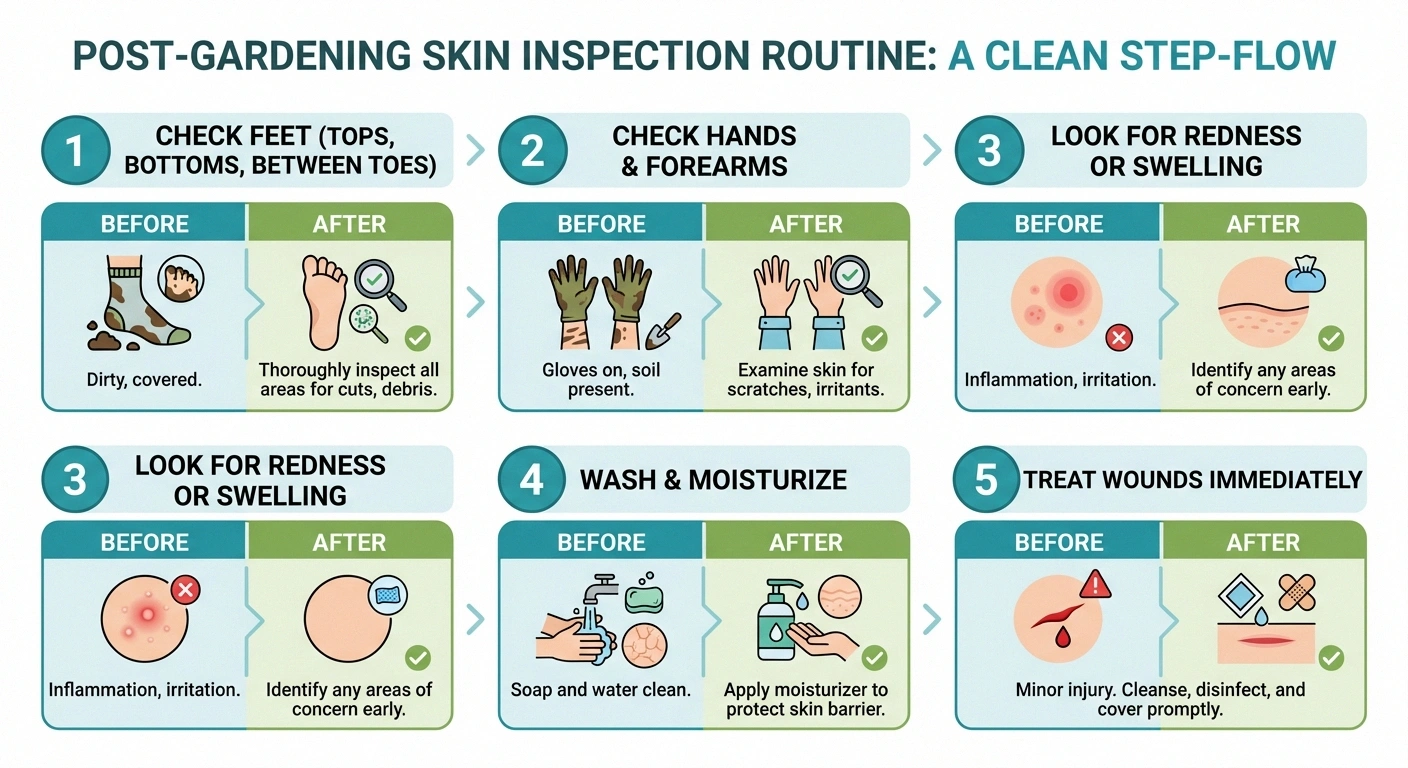
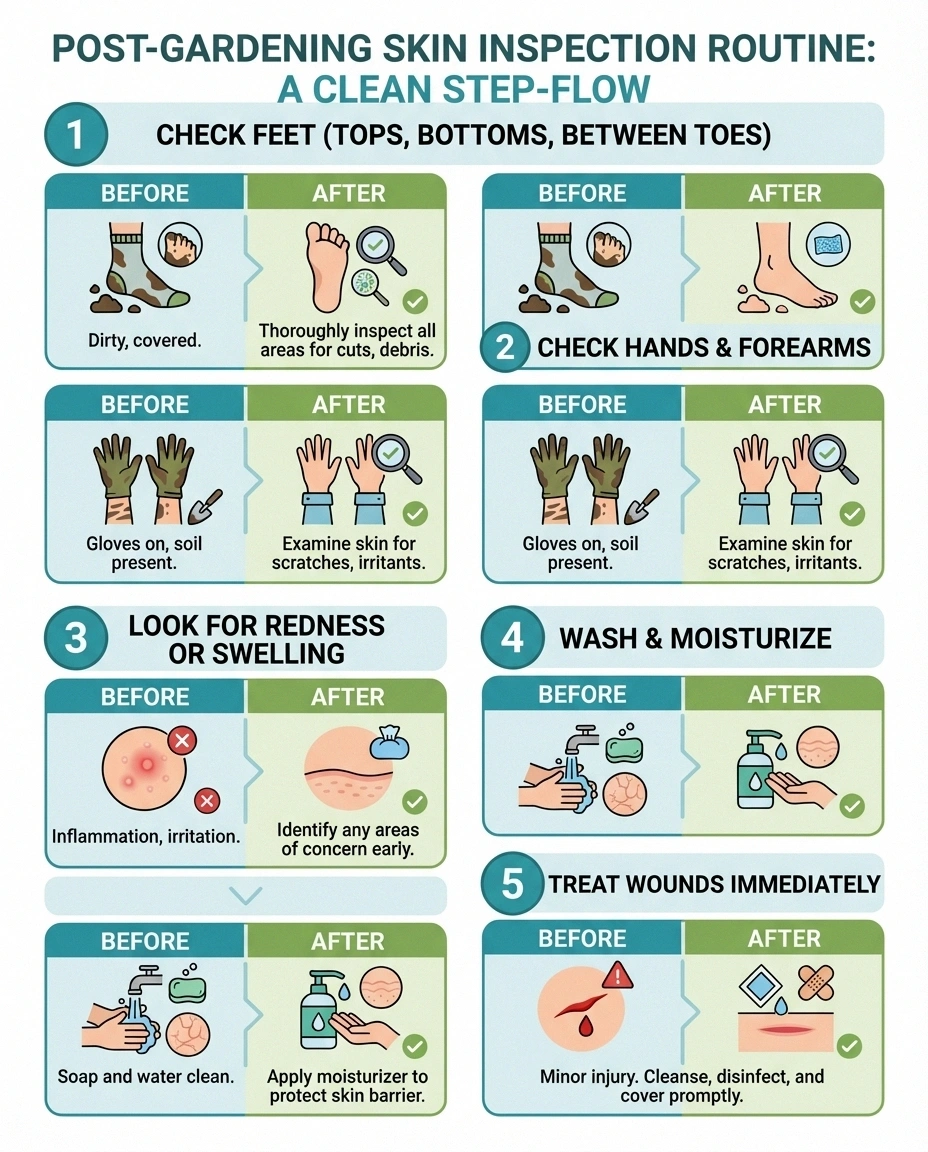
Make this non-negotiable. Before you go outside, and immediately when you come back in:
- Remove shoes and socks and visually inspect your feet — tops, bottoms, between toes. Use a mirror if needed.
- Check hands and forearms for cuts, scratches, blisters, insect bites, or splinters.
- Look for any redness or swelling that might indicate an injury you didn't feel.
- Wash and moisturize your hands and feet — dry, cracked skin is more vulnerable to infection.
- Treat any wounds immediately, no matter how minor they appear.
This routine takes three minutes and can prevent infections that could become serious. When you have neuropathy, a minor cut you can't feel can become a major problem if it goes unnoticed.
Pacing Yourself: Gardening Without Triggering Flare-Ups
One of the hardest lessons for gardeners with neuropathy is learning to pace themselves. On a good day, it's tempting to do everything — weed every bed, plant every seedling, tackle that project you've been putting off. But overexertion is one of the fastest paths to a neuropathy flare-up.
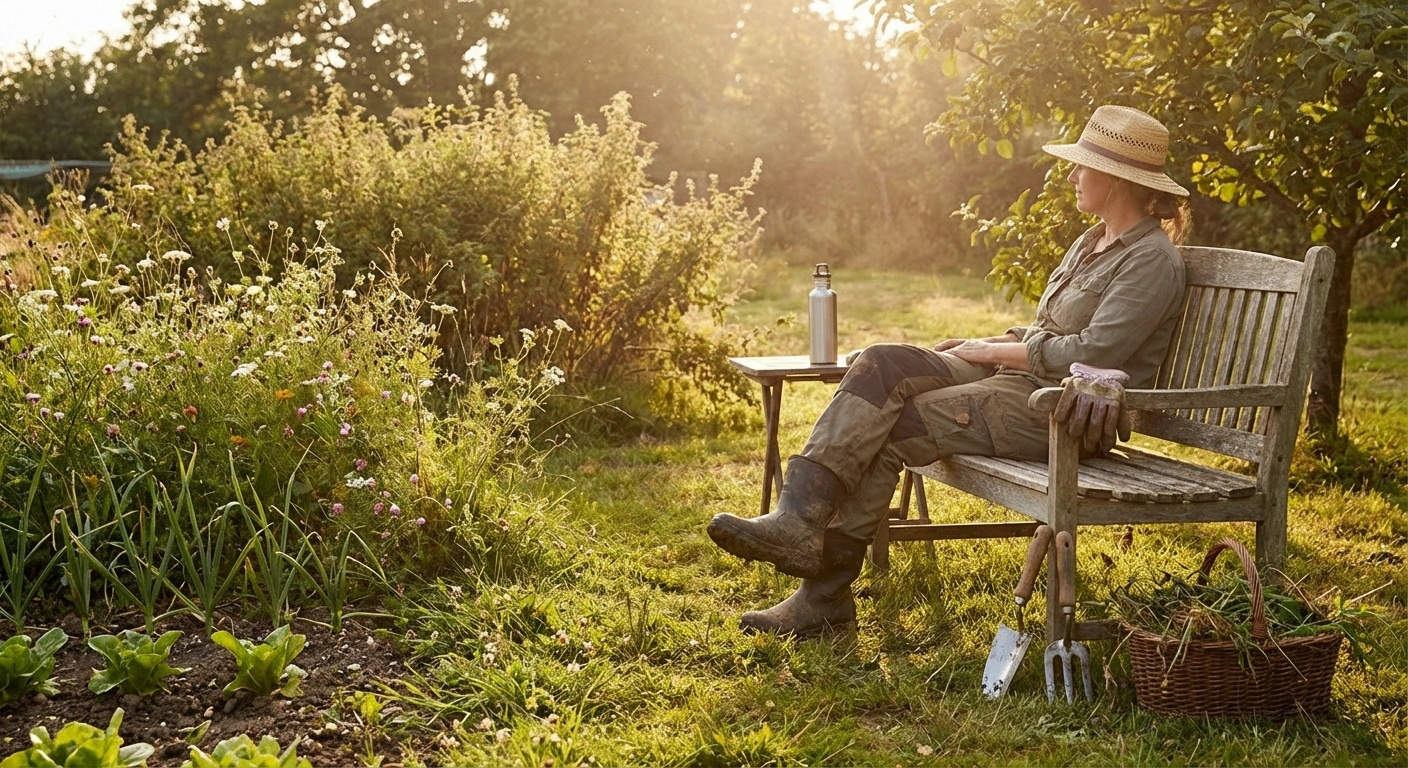
Here's how to garden sustainably:
- Set time limits: Start with 20-30 minute sessions and increase gradually. Use a timer — don't rely on how you feel in the moment, because neuropathy symptoms often hit after you've stopped.
- Alternate tasks: Switch between standing, sitting, and walking activities. Don't spend 45 minutes straight on your knees weeding.
- Plan your hardest tasks for your best time of day: Most people with neuropathy have a window when symptoms are mildest. Save heavy work for that window.
- Use the “half rule”: On good days, do about half of what you think you could. You'll thank yourself tomorrow.
- Break large projects into sessions: That new flower bed doesn't need to be finished today. Spread it over a week.
- Always have a graceful exit plan: Set up your garden so you can stop mid-task without leaving a mess. Use tool caddies and have your cleanup routine streamlined.
Season-by-Season Gardening with Neuropathy
Spring
Spring is when the garden calls loudest — and when the temptation to overdo it is strongest. After months of limited activity, ease back in gradually. Focus on container planting and light bed preparation. This is also a great time to install adaptations (raised beds, irrigation systems) before the growing season demands your attention.
Summer
Heat management is your primary concern. Garden early or late, not midday. Keep hydration within arm's reach. Watch for heat-related symptom flare-ups and don't push through them. This is the season to let drip irrigation earn its keep while you enjoy the garden from a shaded bench.
Fall
Many gardeners with neuropathy find fall to be their most productive season — cooler temperatures often mean fewer symptoms. Take advantage of comfortable weather for garden cleanup, planting fall crops, and preparing beds for next year. Just watch for wet leaves on pathways (slip hazard).
Winter
If cold weather worsens your symptoms, shift to indoor gardening. Windowsill herbs, seed starting, and houseplant care keep your gardening spirit alive through the coldest months. It's also a perfect time to plan next year's garden, research new adaptive tools, and order seeds.
Indoor and Container Alternatives
For days when getting to the garden isn't realistic, or for those whose neuropathy limits outdoor activity more significantly, indoor gardening offers genuine joy:
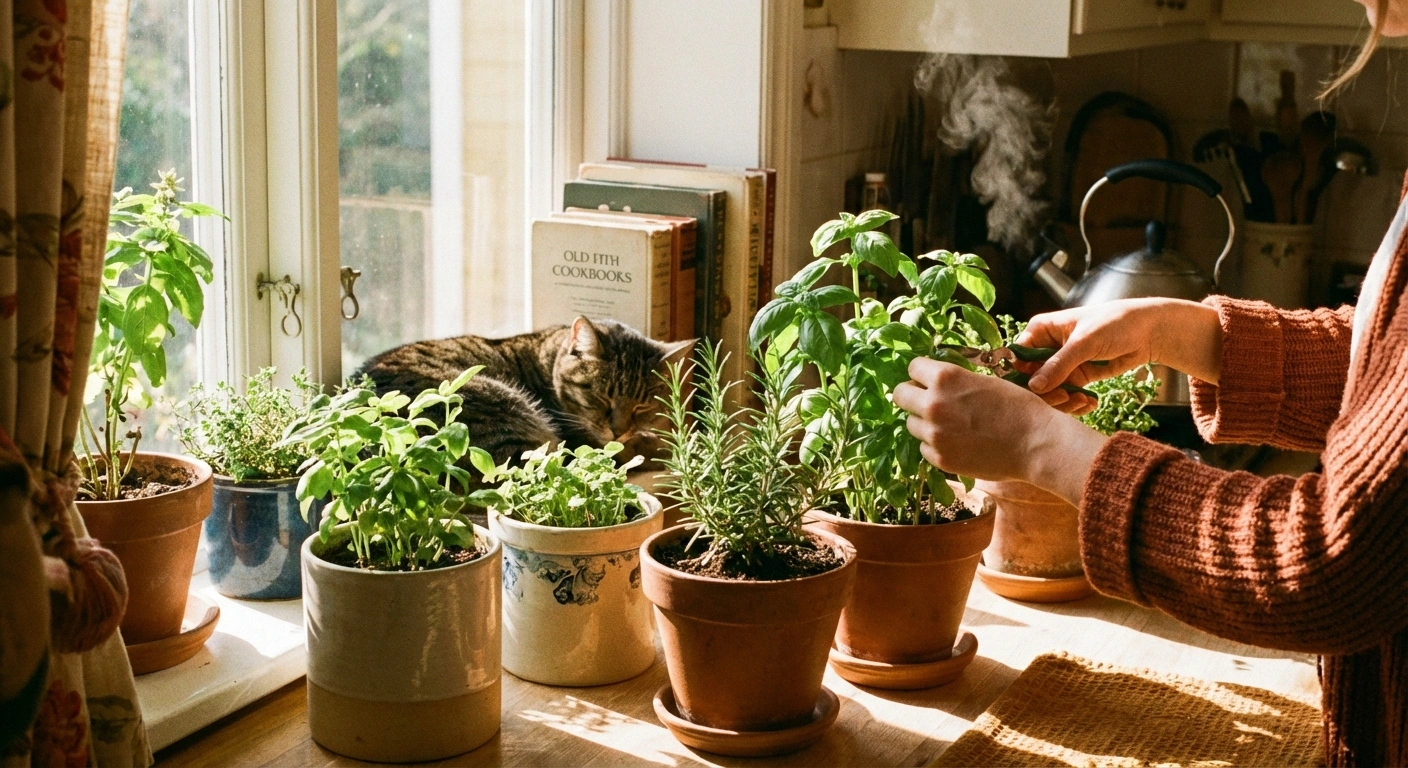
- Windowsill herb gardens: Basil, mint, rosemary, and chives thrive on a sunny windowsill and give you something to nurture daily.
- Indoor seed starting: Get a head start on the growing season from the comfort of your kitchen.
- Tabletop gardening: Small containers on a table at comfortable height require no bending, no balance challenges, and minimal grip strength.
- Terrariums and dish gardens: Creative, low-maintenance, and surprisingly therapeutic.
- AeroGarden or hydroponic systems: Technology-assisted gardening that's virtually zero-effort physically while still giving you the satisfaction of growing.
The point isn't that indoor gardening replaces the outdoor experience — it's that gardening in any form keeps you connected to the activity you love. Bad days don't have to be no-garden days.
Gardening as Gentle Exercise for Neuropathy
We talk a lot about the importance of exercise for managing neuropathy, and gardening is one of the best forms of functional exercise you can do. It naturally incorporates:
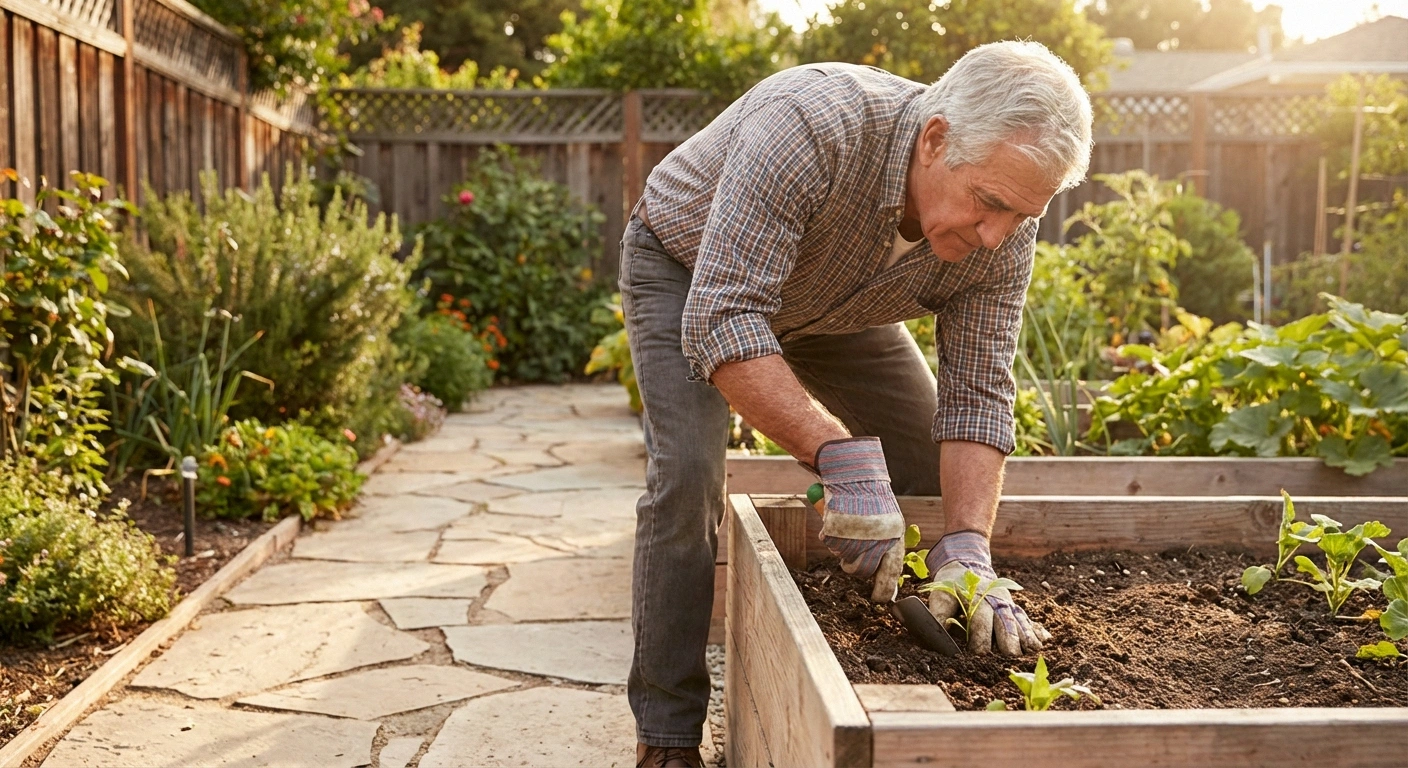
- Walking — moving around the garden promotes circulation
- Reaching and stretching — maintains flexibility and range of motion
- Gripping and fine motor work — planting seeds, pruning, and arranging keep hand dexterity active
- Balance practice — navigating the garden challenges your balance in a functional, real-world way
- Light strength training — carrying pots, digging, and raking build and maintain muscle
Unlike gym exercises, gardening doesn't feel like a workout — but your body benefits just the same. If you're looking for additional exercise ideas, our guides on walking with neuropathy and physical therapy for neuropathy offer complementary strategies.
Asking for Help (and Why It's Okay)
Here's something I want to say gently but directly: you don't have to do everything yourself. Asking for help with the heavy lifting — literally — doesn't mean you've given up gardening. It means you're gardening smart.
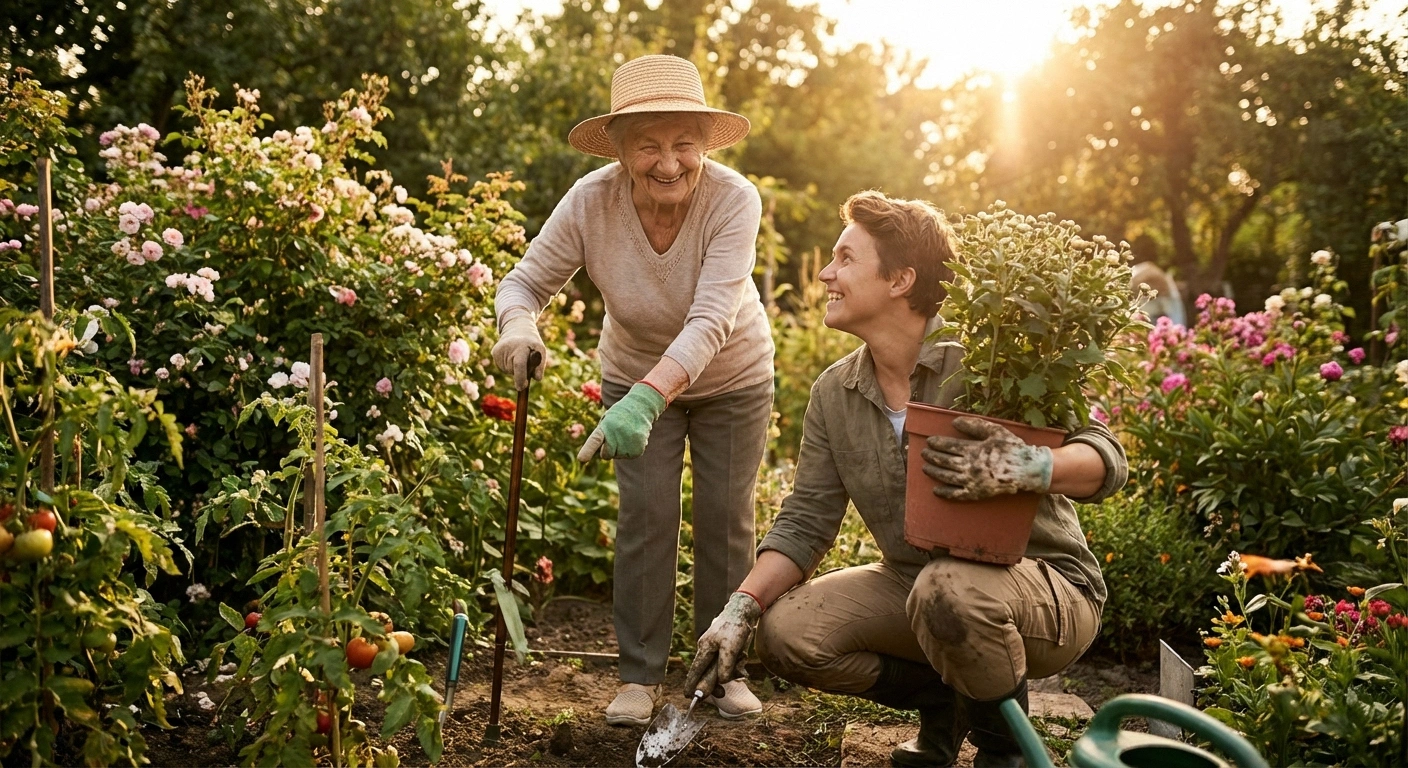
- Ask family members or friends to help with heavy digging, moving large pots, or building raised beds
- Hire help for seasonal tasks like spring bed preparation or fall cleanup
- Join a community garden where work is shared
- Teach a grandchild or neighbor's child to garden alongside you — they provide the muscle, you provide the wisdom
- Consider an occupational therapist who can assess your garden setup and suggest personalized adaptations
The goal is to keep gardening — to keep your hands in the soil, your eyes on the green, and your heart in the work. How the heavy stuff gets done is a logistics question, not a measure of your capability.
Frequently Asked Questions
Is it safe to garden with neuropathy?
Yes, gardening is generally safe with neuropathy as long as you take appropriate precautions. The main risks come from not being able to feel injuries, balance challenges, and heat sensitivity. Wearing protective gloves and shoes, designing your garden with safety in mind, inspecting your hands and feet before and after each session, and pacing yourself make gardening both safe and enjoyable.
What are the best gardening tools for someone with neuropathy?
Look for ergonomic tools with padded, non-slip grips and larger-diameter handles. Spring-loaded pruners and scissors reduce hand fatigue. Long-handled tools minimize bending. Lightweight aluminum tools are easier to control than heavy steel. Brands like Radius Garden and Fiskars offer ergonomic lines designed for people with limited grip strength or hand sensitivity.
Can gardening help improve neuropathy symptoms?
Gardening provides gentle exercise that promotes blood circulation to the hands and feet, maintains dexterity and strength, and offers mental health benefits. While gardening will not cure neuropathy, the physical activity, stress reduction, and sense of purpose it provides may help manage symptoms and improve your overall quality of life.
How high should raised beds be for someone with neuropathy?
For most people with neuropathy, raised beds between 28 and 30 inches high work well. This height allows comfortable access while standing or from a seated position. The bed should be no wider than 4 feet so you can reach the center from either side without overextending. Adding a wide sitting ledge around the top provides an optional built-in seat.
Should I garden barefoot if I have neuropathy?
No. Gardening barefoot with neuropathy is strongly discouraged. Reduced sensation in your feet means you may not feel cuts, thorns, insect bites, hot surfaces, or sharp objects. Always wear closed-toe, closed-heel shoes with sturdy soles and good ankle support. Check inside your shoes for pebbles or bunched socks before putting them on, as you may not feel these irritants.
What should I do if I get injured while gardening and didn't feel it?
Clean the wound thoroughly with soap and water, apply antibiotic ointment, and bandage it. Monitor the area closely for signs of infection including increased redness, swelling, warmth, or discharge. Because neuropathy can slow healing and mask pain signals that normally alert you to worsening infections, see your doctor if a wound does not begin healing within a few days or shows any signs of infection.
How do I garden during summer heat if heat worsens my neuropathy?
Garden during the coolest parts of the day, typically early morning or late afternoon. Create shade in your garden with pergolas, umbrellas, or shade cloth. Keep cold water nearby and take frequent hydration breaks. Wear a cooling vest or wet bandana. Install drip irrigation so you do not need to stand in the sun watering. On extremely hot days, shift to indoor gardening or simply enjoy the garden from a shaded spot.
Your Garden, Your Way
Neuropathy changes the rules of gardening, but it doesn't end the game. The gardeners in our community who thrive aren't the ones who push through pain pretending nothing has changed — they're the ones who adapt, who invest in the right tools and design, who learn to pace themselves, and who redefine what a successful day in the garden looks like.
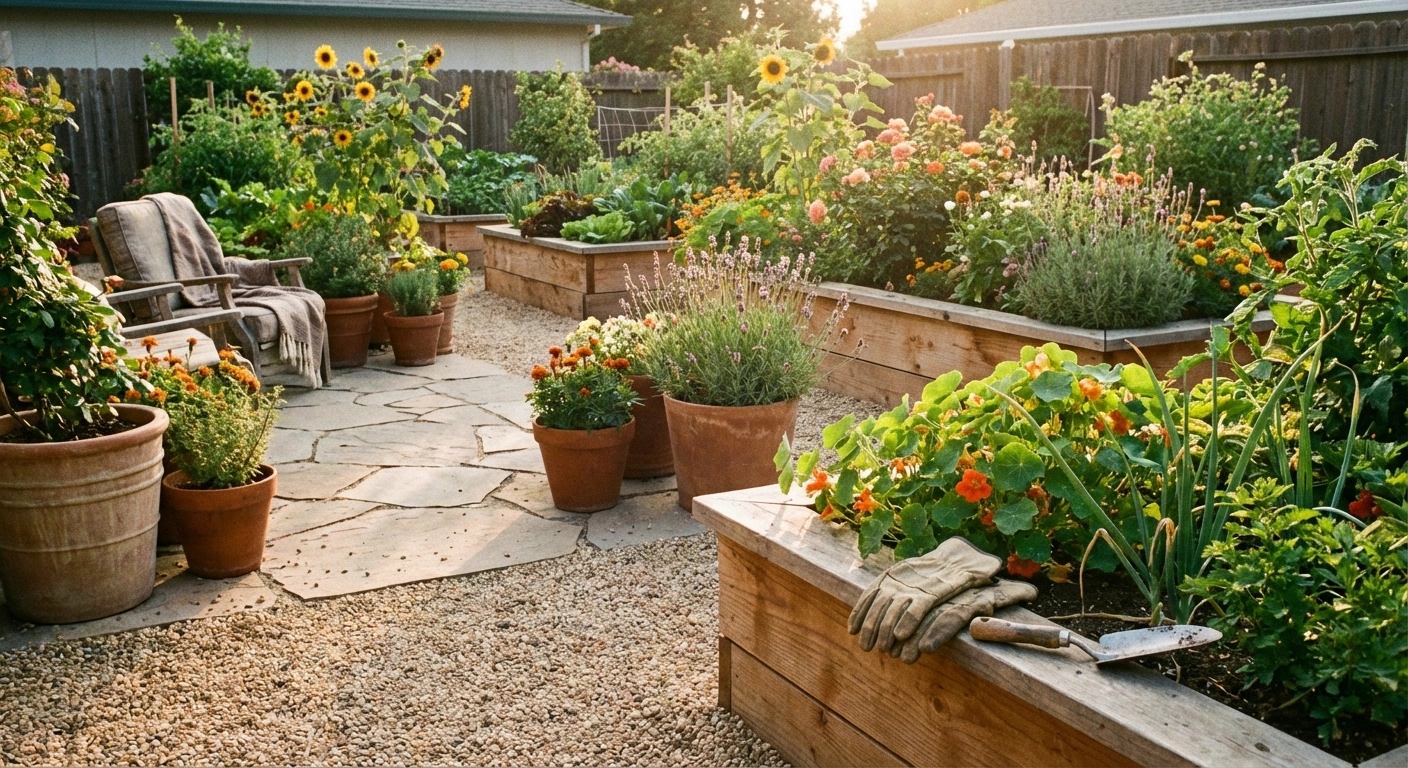
Maybe a successful day used to mean clearing an entire bed. Now it means planting three tomato starts in your raised bed, sitting for a while to admire the flowers, and coming inside without a single unnoticed injury. That's not a lesser version of gardening. That's smart gardening.
Your hands belong in the soil. Your neuropathy may have opinions about how and when and for how long — but the garden is still yours.
Looking for more ways to stay active and engaged with neuropathy? Check out our guides on traveling with neuropathy and exercises for neuropathy.
As always, talk with your healthcare provider about any new activities, especially if you have significant balance concerns or foot complications. This article shares community experience and practical tips, not medical advice.
About the Author