
There's a question I hear from readers pretty regularly: “My doctor mentioned tramadol as an option for my nerve pain, but I've also read some concerning things about it. What should I know?” It's a fair question—tramadol occupies an unusual middle ground in neuropathy treatment, and understanding what it actually does, where it fits, and what the risks genuinely look like helps you have a much more productive conversation with your prescriber.
The short version: tramadol can be effective for neuropathic pain, has real evidence behind it, and works differently from both traditional opioids and the standard first-line nerve pain medications. It also carries risks that deserve honest discussion. Here's what the research actually shows.
How Tramadol Works: A Dual-Action Mechanism
Tramadol's effectiveness for nerve pain comes from something unusual: it works through two distinct pharmacological mechanisms simultaneously, which is why it's categorized differently from standard opioids despite belonging to that drug class.
Key Takeaway
Tramadol isn't a standard opioid. Its dual mechanism — weak opioid activity plus serotonin and norepinephrine reuptake inhibition (the same mechanism as duloxetine) — makes it specifically suitable for neuropathic pain, which typically responds poorly to pure opioids alone. This is why it works differently from morphine or oxycodone for nerve pain.
First, tramadol acts as a weak mu-opioid receptor agonist—it binds to the same receptors as morphine or oxycodone, but with much lower affinity. This is the mechanism most people are aware of. What's less commonly understood is that tramadol simultaneously acts as a serotonin and norepinephrine reuptake inhibitor (SNRI)—the same mechanism used by antidepressants like duloxetine that are prescribed specifically for nerve pain.
These two components aren't in competition—they're complementary. The opioid activity reduces pain signal transmission in the brain and spinal cord, while the SNRI activity activates the body's own descending pain control pathways that suppress pain at the spinal cord level. For neuropathic pain specifically, this combined approach often works better than pure opioids because neuropathic pain responds poorly to opioids alone—but responds well to the noradrenergic (SNRI) mechanisms that target the altered pain processing in damaged nerve circuits.
Beyond these two main mechanisms, tramadol also modulates sodium channels, TRPV1 receptors, and glutamate receptors—all of which play roles in peripheral nerve sensitization. This multi-target profile is one reason tramadol remains useful even for patients who don't respond fully to conventional first-line neuropathy treatments.
What the Evidence Shows: Tramadol's Efficacy for Neuropathic Pain

Tramadol has been studied specifically for neuropathic pain, and the evidence is meaningful—though quality and limitations matter.
53%
achieve 50%+ pain relief with tramadol
30%
achieve 50%+ pain relief with placebo
NNT 4.4
number needed to treat for meaningful pain relief
A Cochrane systematic review of tramadol for neuropathic pain in adults found that approximately 53% of patients achieved at least 50% pain relief with tramadol, compared to 30% with placebo. That's a meaningful difference. The number needed to treat (NNT)—meaning how many patients need to be treated for one to get substantial pain relief—was 4.4.
For context: the NNT for gabapentin in neuropathic pain is around 6–7, and for tricyclic antidepressants it's around 3–4. Tramadol sits in a reasonable range, though the quality of tramadol evidence is considered lower than for first-line agents because many studies were shorter in duration.
The number needed to harm (NNH)—meaning how many patients experience significant side effects—was 7.7, indicating that for every 7–8 people treated, roughly one will have side effects sufficient to cause discontinuation. This ratio (NNT better than NNH) means benefits generally outweigh harms in appropriately selected patients, though the margin is closer than for first-line options.
Tramadol has been studied across several neuropathy types, with evidence in diabetic neuropathy, post-herpetic neuralgia (nerve pain after shingles), and mixed neuropathic pain. It is not FDA-approved specifically for neuropathic pain—unlike duloxetine and pregabalin—which is part of why it remains a second-line option in most guidelines.
Tramadol's Position in Treatment Guidelines
Most neuropathic pain treatment guidelines—including those from NICE, the European Federation of Neurological Societies, and the Canadian Pain Society—classify tramadol as a second-line treatment. Understanding why helps clarify when it makes sense to consider it.
Neuropathic Pain Treatment Ladder
First-line options for neuropathic pain include:
- Gabapentinoids: Gabapentin and pregabalin are the most widely prescribed first-line agents for neuropathic pain. They modulate calcium channels and reduce abnormal nerve firing
- SNRIs: Duloxetine is FDA-approved for diabetic neuropathy and has strong evidence. Venlafaxine is sometimes used off-label with similar efficacy
- Tricyclic antidepressants: Amitriptyline and nortriptyline have decades of evidence and are cost-effective, though side effects limit use in older patients
Tramadol steps in when first-line options haven't provided adequate relief, when patients can't tolerate the side effects of first-line agents, or when there's a specific clinical reason to use a medication with opioid properties (such as when acute flare-up management is needed alongside longer-term treatment).
Strong opioids—morphine, oxycodone, hydromorphone—are reserved for third-line use in most guidelines, meaning tramadol occupies a pragmatic middle ground between standard first-line treatments and full opioid therapy.
Dosing and How Treatment Usually Works

When tramadol is prescribed for neuropathic pain, starting low and titrating gradually is the standard approach—both to improve tolerability and to find the minimum effective dose.
Immediate-release tramadol:
- Typical starting dose: 50–100 mg daily
- Titration: Increase by 50–100 mg per week as needed and tolerated
- Maximum dose: 400 mg per day (divided into 3–4 doses)
- Dosing interval: Every 4–6 hours
Extended-release tramadol:
- Starting dose: 100 mg once daily
- Titration: Increase by 100 mg every 5 days as needed
- Maximum dose: 300 mg per day
- Advantage: Once-daily dosing with more stable blood levels
Dose reductions are necessary in patients with kidney or liver problems, and the maximum daily dose is lower (200 mg) for patients over age 75. If you're using tramadol extended-release, don't crush or chew the tablets—this releases the full dose at once and can cause serious harm.
Questions to ask before starting tramadol are worth reviewing with your prescriber. You can find a structured framework for discussing new medications in our guide on questions to ask before starting neuropathy medication.
Side Effects: What to Expect
Tramadol's side effect profile combines opioid-type effects with SNRI-type effects. Most are dose-dependent and tend to be worst at the start of treatment.
Common side effects (affecting 10–30% of users):
- Nausea and vomiting—often the most limiting early side effect
- Dizziness and drowsiness
- Headache
- Constipation
- Dry mouth
- Sweating
Taking tramadol with food can reduce nausea. Starting at a low dose and titrating slowly also significantly improves tolerability.
Less common but clinically important:
- Confusion or cognitive fog, especially in older adults
- Falls and balance problems (relevant for neuropathy patients who already have balance concerns)
- Mood changes
- Sexual dysfunction
Serious Risks: Serotonin Syndrome, Seizures, and Dependence

Tramadol's serious risks deserve careful attention—not to frighten anyone away from a medication that may genuinely help, but because understanding them allows you to use it safely.
⚠ Critical Safety Warning
Serotonin syndrome is a medical emergency. If you're taking tramadol along with any SSRI, SNRI, tricyclic antidepressant, or other serotonergic medication, watch for these warning signs:
- Agitation, confusion, or restlessness
- Rapid heart rate or high blood pressure
- Muscle twitching, rigidity, or tremors
- High fever developing suddenly
- Dilated pupils
Seek emergency care immediately if these symptoms develop after starting or increasing tramadol.
Serotonin Syndrome
Because tramadol inhibits serotonin reuptake, combining it with other serotonergic medications can trigger serotonin syndrome—a potentially life-threatening condition characterized by rapid heart rate, high blood pressure, muscle twitching, agitation, and in severe cases, seizures, high fever, and loss of consciousness.
The combination risk is highest with:
- SSRIs (fluoxetine, sertraline, escitalopram, paroxetine)
- SNRIs (duloxetine, venlafaxine)
- Tricyclic antidepressants (amitriptyline, nortriptyline)
- MAOIs—this combination is an absolute contraindication
- Triptans (migraine medications)
- St. John's Wort
This is particularly important for neuropathy patients because many of the first-line neuropathy medications (duloxetine, amitriptyline, venlafaxine) are serotonergic. If tramadol is being added to an existing regimen that includes these medications, your prescriber needs to assess the interaction risk carefully.
Seizure Risk
Tramadol lowers the seizure threshold—meaning it can trigger seizures even in people without a prior seizure history, particularly at higher doses. The risk is elevated with concurrent use of other medications that lower the seizure threshold. Patients with epilepsy or a history of seizures should generally avoid tramadol.
Dependence and Withdrawal
Despite its lower opioid potency, tramadol carries real dependence potential. Physical dependence can develop within weeks of regular use, and abrupt discontinuation causes withdrawal symptoms that may include anxiety, restlessness, sweating, and flu-like symptoms. The withdrawal syndrome can also include atypical symptoms related to the SNRI component: confusion, paranoia, and sensory abnormalities.
Tramadol should never be stopped abruptly after prolonged use. Tapering off under medical supervision is always the right approach. If you're considering changing neuropathy medications, our guide on switching neuropathy medications safely walks through the tapering process.
Drug Interactions
Tramadol is documented to interact with over 760 medications—including 325 considered major interactions. This doesn't mean it can't be used alongside other drugs, but it does mean your prescriber and pharmacist need a complete medication list before starting. Key categories of concern beyond the serotonergic drugs mentioned above include:
- Other CNS depressants (benzodiazepines, sleep medications, antihistamines)—increased sedation and overdose risk
- CYP2D6 inhibitors (certain antidepressants, antifungals)—can increase tramadol blood levels dangerously
- Warfarin—tramadol may increase bleeding risk
Who Should Avoid Tramadol
Tramadol is contraindicated in certain patients regardless of how much nerve pain relief it might offer:
- Children under age 12 and for post-surgical pain in children under 18
- Nursing mothers—tramadol passes into breast milk and can cause serious harm to infants
- Patients with a history of seizures or epilepsy
- Patients taking MAOIs (absolute contraindication)
- Patients with acute intoxication from alcohol, hypnotics, or opioids
- Patients with severe respiratory depression or acute asthma
- Poor metabolizers of CYP2D6—genetic testing can identify this, as tramadol's opioid metabolite accumulates unpredictably in these patients
Use with significant caution in older adults (fall risk, cognitive effects), patients with kidney or liver impairment, and anyone with a history of substance use disorder.
How Tramadol Compares to Other Neuropathy Medications

Understanding tramadol's place in the toolkit requires comparing it to the alternatives:
📊 Quick Comparison
| Medication | Line | FDA-Approved | Addiction Risk | NNT |
|---|---|---|---|---|
| Gabapentin | 1st | ✓ (PHN) | Low | ~6-7 |
| Duloxetine | 1st | ✓ (DPN) | Low | ~5-6 |
| Amitriptyline | 1st | Off-label | Low | ~3-4 |
| Tramadol | 2nd | Off-label | Moderate | 4.4 |
Vs. Gabapentin/Pregabalin: Gabapentin and pregabalin have clearer evidence, no addiction potential, and are better studied in long-term use. They're typically tried first. Their main limitations are sedation, weight gain, and the cognitive fog some patients experience. For patients who can't tolerate these side effects, tramadol is a reasonable second-line option.
Vs. Duloxetine: Duloxetine and tramadol share the SNRI mechanism, but duloxetine is FDA-approved for diabetic neuropathy, has a cleaner drug interaction profile, and carries no opioid-related risks. It's generally preferred when SNRI-type analgesia is the goal.
Vs. Amitriptyline: Tricyclics have a longer evidence base for neuropathic pain and a lower NNT, but anticholinergic side effects—dry mouth, constipation, blurred vision, urinary retention—limit their use in older patients. Tramadol may be better tolerated in patients who experience significant anticholinergic effects.
Vs. Strong opioids: Tramadol is meaningfully less risky than full opioid therapy in terms of dependence potential and respiratory depression risk, while still providing opioid-type relief. For patients who need opioid-level analgesia but aren't appropriate for strong opioids, tramadol offers a middle path.
Alternatives to Tramadol Worth Discussing with Your Doctor

If tramadol isn't the right fit—or if you want to understand what other options exist before your appointment—here are the main alternatives worth discussing:
First-line medications: Gabapentin, pregabalin, duloxetine, and amitriptyline should be tried before reaching for tramadol in most cases.
Topical options: Lidocaine patches and capsaicin cream can provide localized relief with minimal systemic effects—a significant advantage for patients who are already on multiple medications.
TENS therapy: TENS units provide non-drug pain relief through electrical stimulation and are a useful complement to medication-based approaches.
Tapentadol: A structural analog of tramadol with a similar dual mechanism (opioid + norepinephrine reuptake inhibition) but without the serotonin component, meaning lower serotonin syndrome risk when combined with serotonergic medications. Available by prescription as Nucynta.
A complete overview of all medication categories available for nerve pain is in our neuropathy medications guide.
Practical Tips If You're Prescribed Tramadol
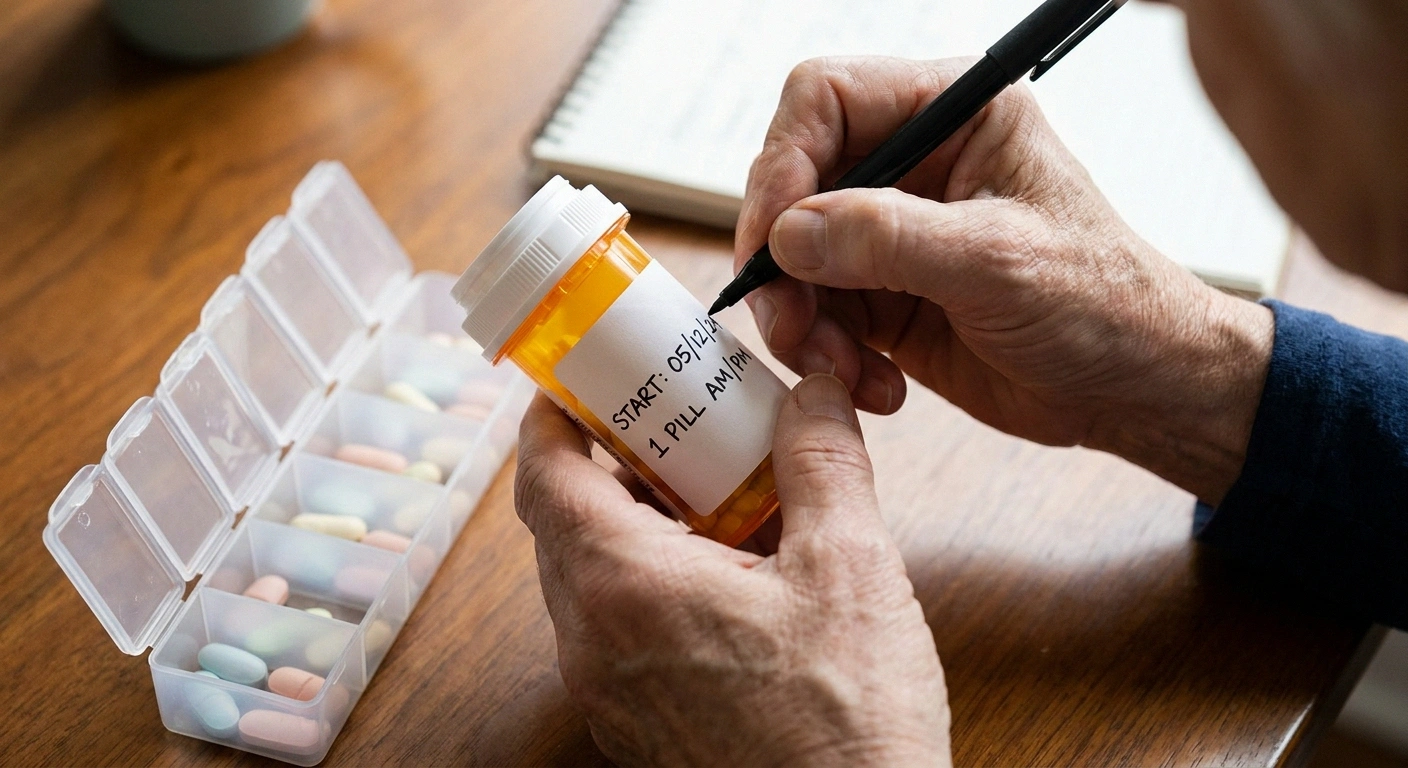
If tramadol is part of your treatment plan, these practical considerations can help you use it as safely and effectively as possible:
Quick Reference: Safe Use Checklist
- Start at 50 mg — never rush dose escalation
- Give your pharmacist your complete medication list before starting
- Never combine with alcohol — overdose risk is real
- Never stop abruptly — always taper under supervision
- Tell every new prescriber you take tramadol (interaction risk)
- Know serotonin syndrome warning signs — they can develop fast
- Start low: Don't rush to higher doses. Starting at 50 mg and going slowly significantly reduces early nausea and dizziness
- Take with food: Reduces nausea, which is the most common reason people discontinue early
- Avoid alcohol: Absolutely. The combination increases CNS depression and overdose risk substantially
- Give your pharmacist your full medication list: The drug interaction profile is extensive; pharmacists often catch interactions doctors miss
- Don't stop abruptly: Always taper off under medical guidance. Tramadol withdrawal is genuinely uncomfortable and can be managed much better with a planned taper
- Watch for warning signs: Muscle twitching, agitation, confusion, rapid heart rate, and fever together are potential serotonin syndrome symptoms. Seek emergency care immediately if these develop
Frequently Asked Questions
Is tramadol effective for neuropathic pain?
Yes, tramadol has documented efficacy for neuropathic pain. Clinical evidence shows about 53% of patients achieve at least 50% pain relief, compared to 30% with placebo. Its dual mechanism—weak opioid activity combined with serotonin and norepinephrine reuptake inhibition—makes it particularly suitable for neuropathic pain, which responds better to SNRI-type mechanisms than to pure opioids.
Why is tramadol second-line and not first-line for neuropathy?
Tramadol carries higher risks than first-line options—including dependence potential, serotonin syndrome risk, seizure risk, and extensive drug interactions—without demonstrating clearly superior efficacy compared to safer first-line agents like gabapentin, duloxetine, or tricyclic antidepressants. Current guidelines reserve it for patients who haven't responded adequately to first-line treatments.
Can tramadol be combined with gabapentin?
The combination is used clinically and can be more effective than either medication alone. The main concerns are additive sedation and the need to monitor for excessive CNS depression. This combination generally has lower risk than combining tramadol with serotonergic medications, but your prescriber should oversee any combination regimen.
How does tramadol compare to gabapentin for nerve pain?
Both are effective for neuropathic pain. Gabapentin has a cleaner safety profile—no addiction potential, no serotonin syndrome risk, and no seizure-lowering concern—making it preferred as a first-line choice. Tramadol may work better for some patients who don't respond adequately to gabapentin, or who can't tolerate gabapentin's sedation or weight gain.
Is tramadol addictive?
Yes, tramadol carries addiction and dependence potential. While lower than that of full opioids, physical dependence can develop within weeks of regular use, and abrupt discontinuation causes withdrawal symptoms. It should be used at the lowest effective dose for the shortest practical duration, and never stopped suddenly after prolonged use.
What medications can you not take with tramadol?
The most critical interactions are with MAOIs (absolute contraindication), SSRIs, SNRIs, tricyclic antidepressants, and other serotonergic drugs (serotonin syndrome risk). Combining with benzodiazepines, alcohol, or other CNS depressants significantly increases overdose risk. Tramadol interacts with over 760 medications in total—always provide your complete medication list to your prescriber and pharmacist before starting.
What are the signs of serotonin syndrome from tramadol?
Serotonin syndrome from tramadol typically develops within hours of starting the medication or increasing the dose, especially when combined with other serotonergic drugs. Warning signs include agitation, confusion, rapid heart rate, high blood pressure, dilated pupils, muscle twitching or rigidity, and fever. Severe cases can cause life-threatening fever and muscle breakdown. This is a medical emergency—seek immediate care if you experience these symptoms.
About the Author