
The moment your doctor slides a prescription across the desk and says “this should help with the nerve pain,” your mind goes blank. You nod, take the paper, and walk out — then spend the drive home wondering what you just agreed to.
I've been in that exact chair. After more than a decade managing peripheral neuropathy, I've started — and stopped — more medications than I care to count. Some worked beautifully. Others brought side effects that were worse than the pain they were treating. The difference between a good medication experience and a bad one almost always comes down to the questions you ask before you fill that prescription.
Here are the questions I wish someone had given me before my first neuropathy medication — the ones that would have saved me months of trial-and-error and more than a few miserable nights.
Questions About the Medication Itself
Before you even discuss side effects or alternatives, make sure you understand exactly what's being prescribed and why. These foundational questions set the stage for an informed decision.
What type of medication is this, and how does it work for nerve pain?
Most neuropathy medications were originally developed for other conditions. Gabapentin and pregabalin are anticonvulsants (seizure medications) that calm overactive nerve signals. Duloxetine is an antidepressant (SNRI) that modifies how your brain processes pain signals. Amitriptyline is a tricyclic antidepressant with pain-modifying properties. Understanding the medication class helps you understand both how it works and what to expect.
Why are you recommending this specific medication for me?
There's no single “best” neuropathy medication — the right choice depends on your specific type of neuropathy, other health conditions, current medications, and which symptoms bother you most. A good answer to this question should reference your situation specifically: “Because your main complaint is burning pain and you also have depression, duloxetine addresses both” is much better than “this is what we usually prescribe.”
What's the starting dose, and how will we increase it?
Most neuropathy medications require a slow titration — starting at a low dose and gradually increasing over weeks. This matters because side effects are usually worst at the beginning and when doses change. Knowing the titration schedule helps you plan. For example, gabapentin typically starts at 300mg once daily and increases to 300mg three times daily over the first week or two. Rushing this process increases side effects.
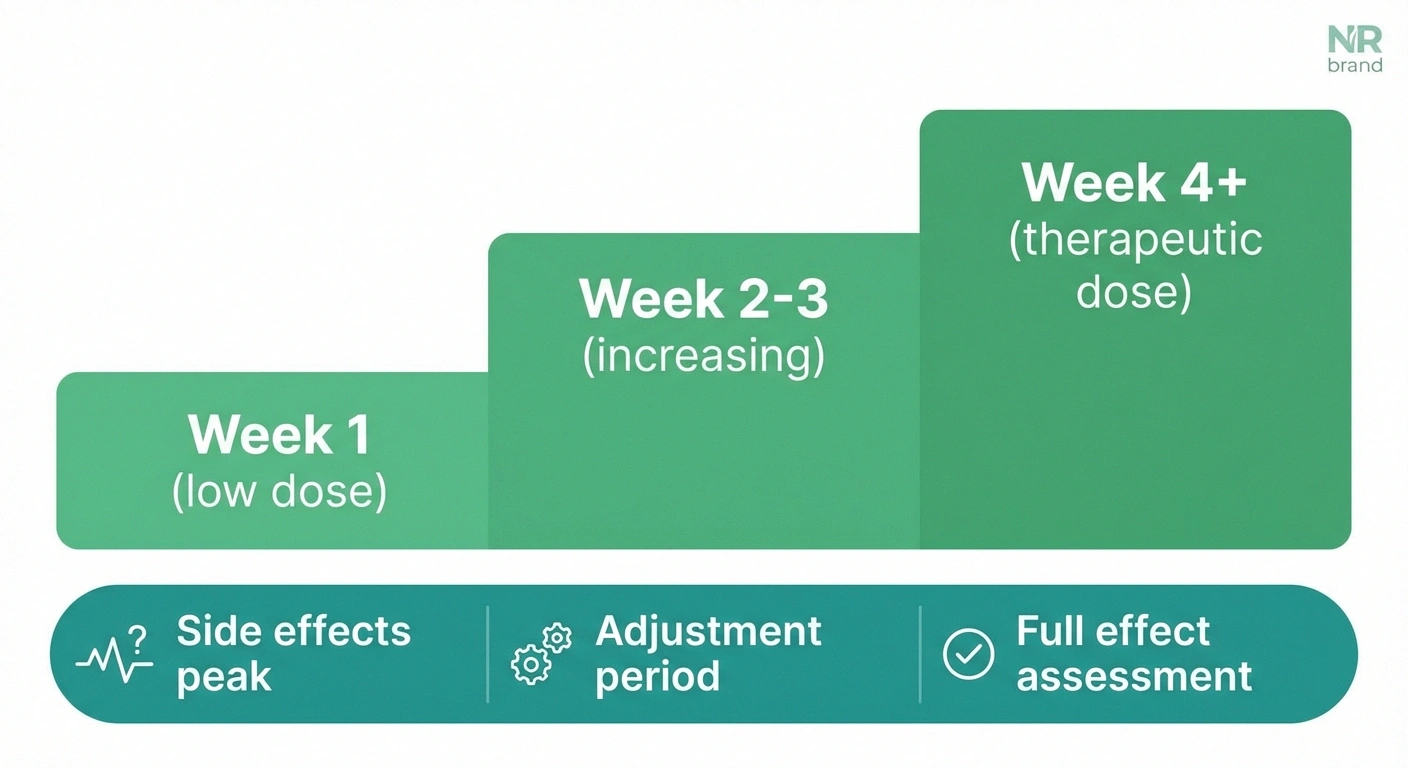
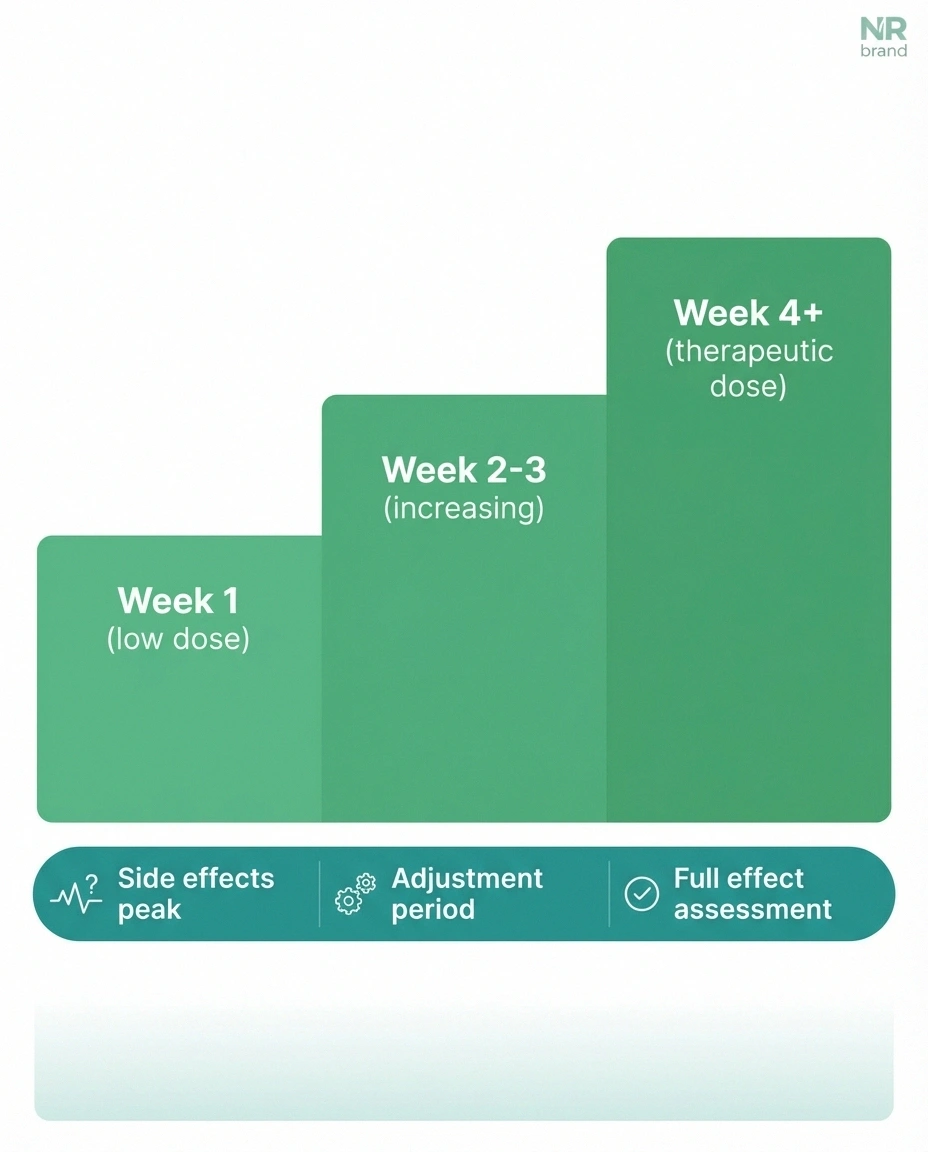
How long before I'll know if it's working?
This is one of the most important questions — and one of the most commonly overlooked. Most neuropathy medications take 2-8 weeks at therapeutic dose to show full effect. That means if you're still titrating up during weeks 1-3, you shouldn't judge effectiveness until weeks 5-8. Too many people give up on a medication before it's had a fair trial. Ask your doctor for a specific timeline: “Give it at least X weeks at the full dose before we decide if it's working.”
Timeline to Remember
Most neuropathy medications take 2-8 weeks at therapeutic dose to show full effect. The titration period doesn't count. Don't judge a medication until it's had a fair trial at the target dose.
Questions About Side Effects
Every medication has side effects. The key is knowing which ones are common and temporary versus which ones are serious enough to stop the medication. Don't rely on the pharmacy printout — those list every possible side effect without context. Ask your doctor to give you the real-world picture.

What are the most common side effects I should expect?
Ask for the top three or four side effects that most people actually experience, not the rare ones. For gabapentin, that's typically drowsiness, dizziness, and some cognitive fogginess. For duloxetine, it's nausea, dry mouth, and sometimes insomnia. For pregabalin, it's drowsiness, weight gain, and peripheral edema (swelling). Knowing what's coming helps you plan around it — for example, taking a sedating medication at bedtime rather than in the morning.
Will the side effects get better over time?
Many side effects are worst during the first 1-2 weeks and then diminish as your body adjusts. Drowsiness from gabapentin, for example, typically improves significantly after the first week. Nausea from duloxetine often resolves within 5-7 days. But some side effects — like weight gain from pregabalin — may persist or worsen over time. Ask which side effects are temporary and which ones you'd be living with long-term.
What side effects should make me call you immediately?
This is the safety question. Some side effects are annoying but harmless. Others need medical attention. For duloxetine, severe mood changes, suicidal thoughts, or signs of liver problems (dark urine, jaundice) are red flags. For gabapentin, severe allergic reactions or breathing difficulties require immediate attention. For any medication: severe dizziness causing falls, confusion, or allergic rash. Know the difference between “tough it out” and “call the doctor.”
Never Stop Abruptly
Gabapentin, pregabalin, and duloxetine cannot be stopped suddenly. They require a gradual taper to avoid withdrawal symptoms including increased pain, anxiety, insomnia, and in rare cases, seizures. Always talk to your doctor before changing your dose.
How does this interact with my other medications?
Drug interactions are a major concern, especially for neuropathy patients who often take multiple medications. Gabapentin can interact with opioids and antacids. Duloxetine has significant interactions with MAO inhibitors, blood thinners, and other serotonergic drugs. Bring a complete list of everything you take — including supplements like alpha-lipoic acid, magnesium, and B vitamins — and ask about interactions with each one.
Questions About Alternatives and Combinations
Medication isn't the only tool for managing neuropathy pain, and it's rarely the only thing you should be doing. These questions help you understand the full treatment landscape.
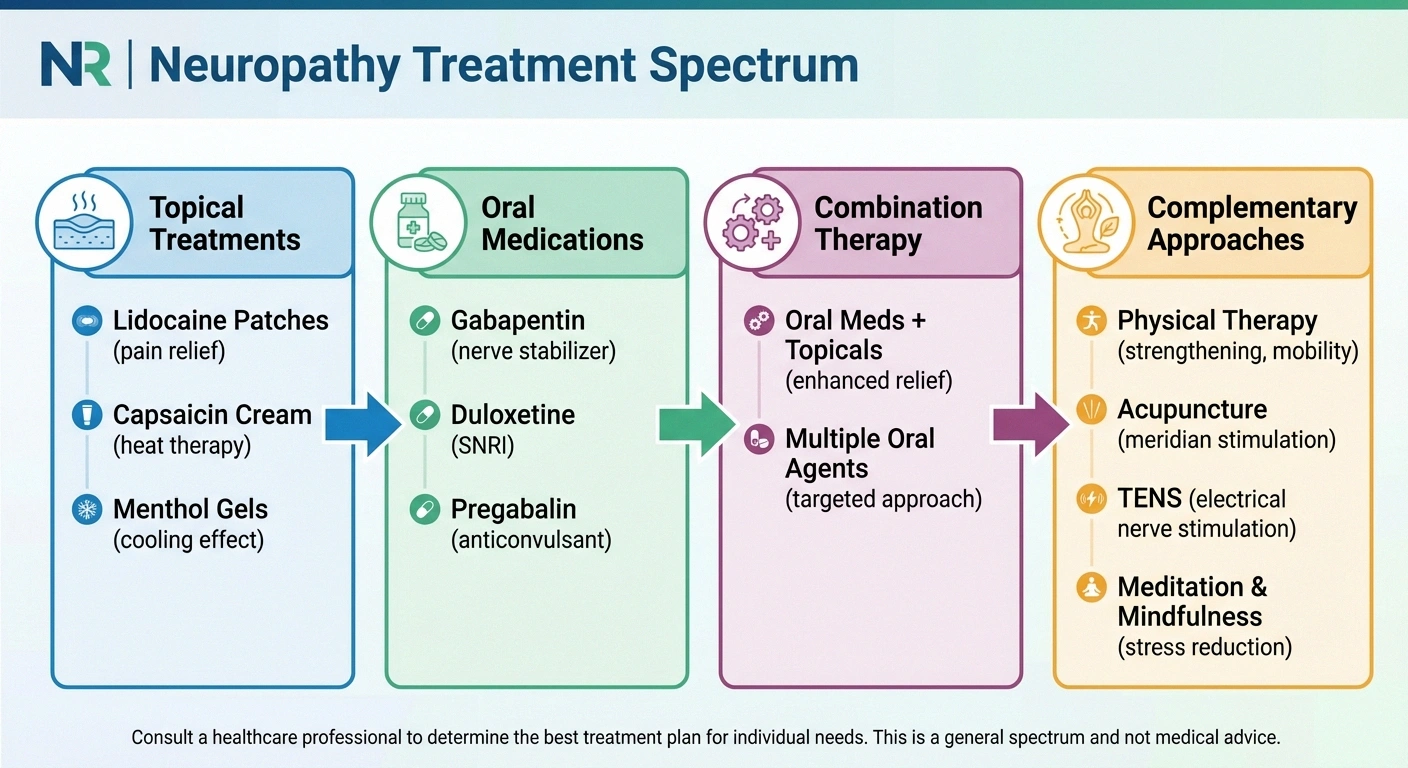
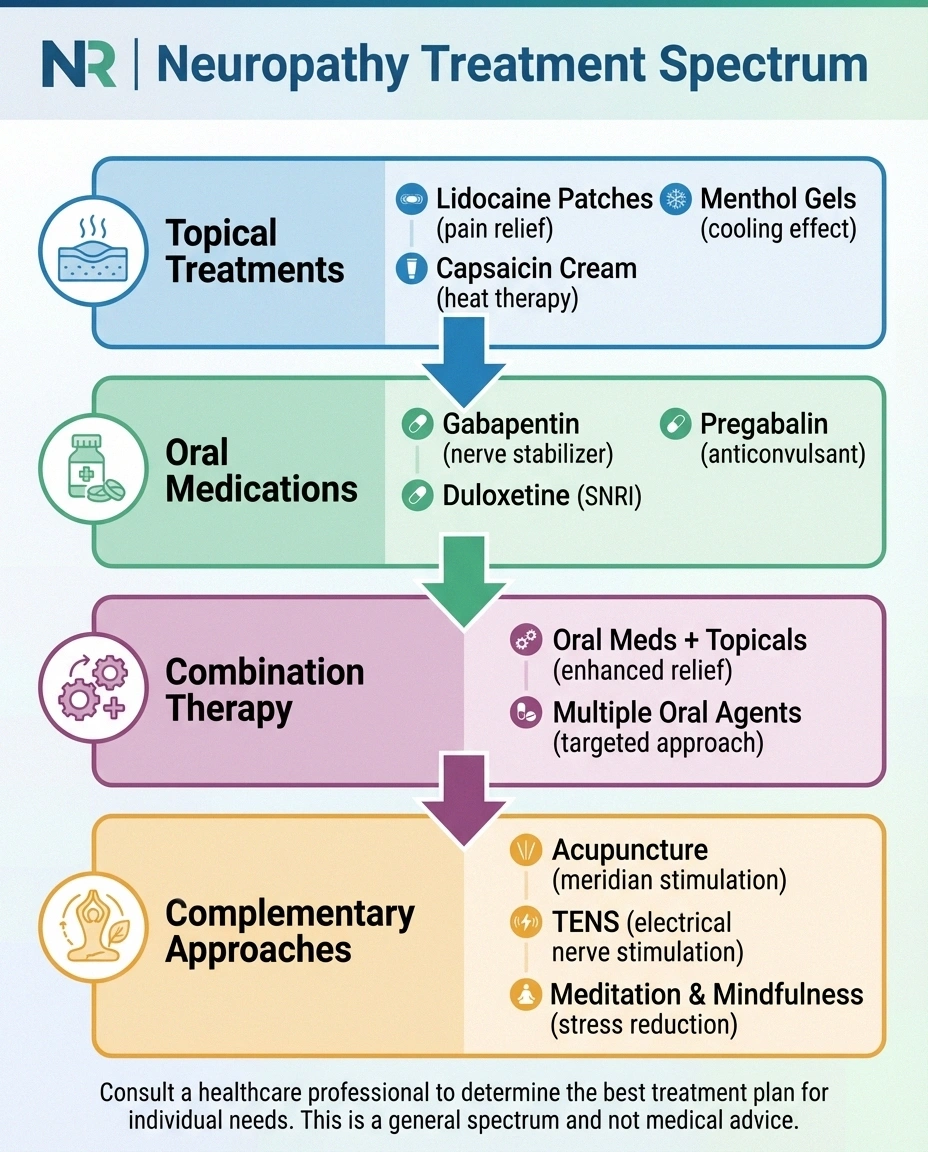
What are my other medication options if this one doesn't work?
Knowing there's a Plan B (and C, and D) reduces the pressure on any single medication. For neuropathic pain, there are multiple classes to try: anticonvulsants (gabapentin, pregabalin), SNRIs (duloxetine, venlafaxine), tricyclic antidepressants (amitriptyline, nortriptyline), and topical options (lidocaine patches, capsaicin cream). Ask your doctor to outline the sequence they'd recommend if the first choice doesn't work out.
💊 Anticonvulsants
Gabapentin, Pregabalin — Calm overactive nerve signals. Most commonly prescribed first.
🧠 SNRIs
Duloxetine, Venlafaxine — Modify pain processing. Good if depression is also present.
🏥 Tricyclics
Amitriptyline, Nortriptyline — Older but effective. May help with sleep. More side effects.
🧴 Topicals
Lidocaine patches, Capsaicin cream — Local relief with minimal systemic side effects.
Can I combine this medication with non-medication treatments?
The best outcomes often come from combining medication with other approaches. Physical therapy, acupuncture, TENS units, and mindfulness meditation all have evidence supporting their use alongside medication. Exercise in particular — walking, yoga, swimming — may improve neuropathy outcomes beyond what medication alone can achieve. Ask which non-medication treatments your doctor recommends alongside the prescription.
Are there topical options I should try first or alongside oral medication?
Topical treatments like lidocaine patches, capsaicin cream, and prescription neuropathy creams work directly at the site of pain with minimal systemic side effects. For some people, topical treatment alone provides adequate relief. For others, combining topical and oral medications allows for lower doses of each, reducing side effects. Browse all our treatment guides for detailed information on each option.
Questions About Long-Term Use
Neuropathy is typically a long-term condition, which means you may be on medication for months or years. Understanding the long game is essential for making a decision you'll be comfortable with over time.
Is this medication something I'll take long-term or short-term?
Some neuropathy medications are intended for long-term use, while others may be used temporarily while other treatments take effect. Understanding the intended duration helps you set expectations. If your neuropathy has a treatable cause (like a vitamin deficiency), medication may be temporary while the underlying cause is corrected.
Will I develop tolerance — will it stop working over time?
Tolerance is a valid concern, especially with gabapentin and pregabalin. Some patients find that effectiveness decreases over months or years, requiring dose increases. Ask your doctor whether this is common with the specific medication being prescribed and what the plan would be if tolerance develops. Understanding this upfront prevents panic if you notice the medication becoming less effective.
What happens if I need to stop this medication?
This is critically important. Many neuropathy medications — especially gabapentin, pregabalin, and duloxetine — cannot be stopped abruptly. They require a gradual taper over days to weeks to avoid withdrawal symptoms (which can include increased pain, anxiety, insomnia, and in some cases seizures). Always ask about the discontinuation process before you start, so you know what you're committing to.
How will this medication affect my daily life?
Ask specifically about driving, cognitive function, and sleep. Many neuropathy medications cause drowsiness that may affect your ability to drive safely, especially during the first few weeks. Some affect memory and concentration. Others may actually improve your sleep — which can be a benefit if pain keeps you up at night. Understanding these impacts helps you time your doses and plan your activities.
Questions About Monitoring and Follow-Up
Starting a medication isn't a “set it and forget it” situation. Regular monitoring ensures the medication is working, the dose is right, and no problems are developing.

Will I need any blood tests while on this medication?
Some neuropathy medications require periodic lab monitoring. Duloxetine may require liver function tests. Medications that affect kidney function need creatinine monitoring. Even if monitoring isn't strictly required, periodic blood work ensures that your overall health isn't being affected.
When should we schedule a follow-up to assess how the medication is working?
A follow-up at 4-6 weeks after reaching therapeutic dose is typical. This gives the medication enough time to show its effect while catching problems early. Don't wait until your annual check-up to discuss whether a new medication is working — request a dedicated follow-up appointment.
How will we measure whether the medication is working?
What does “working” look like? A 30-50% reduction in pain intensity is often considered a successful outcome for neuropathy medications — complete pain elimination is rare. Ask your doctor to define success criteria before you start. Using a 0-10 pain scale or keeping a symptom journal can help you track changes objectively.
What “Working” Looks Like
A 30-50% reduction in pain intensity is considered a successful outcome for most neuropathy medications. Complete pain elimination is rare. Track your progress with a daily 0-10 pain scale to measure changes objectively.
Questions Most People Forget to Ask
These questions don't always make it onto the standard lists, but they come up constantly in our neuropathy community.
📋 Appointment Prep Checklist
Complete medication + supplement list with doses
Week of pain ratings (0-10 scale, morning + evening)
Your priorities (pain reduction? fewer side effects? sleep? cost?)
Previous medication experiences (what you tried + why you stopped)
Questions from this article bookmarked or printed
Will this medication affect my weight?
Weight gain is a common and frustrating side effect of several neuropathy medications — particularly pregabalin (Lyrica), gabapentin at higher doses, and some tricyclic antidepressants. If weight management is important to you (and for neuropathy patients, it often is), discuss this upfront. Duloxetine is generally weight-neutral and may even cause slight weight loss in some people.
Can I drink alcohol while taking this medication?
Most neuropathy medications interact with alcohol to increase drowsiness and impair coordination. Beyond the medication interaction, alcohol itself can worsen neuropathy. Ask your doctor for specific guidance rather than assuming the answer is an absolute yes or no — many doctors allow occasional moderate drinking but recommend avoiding regular use.
Is there a generic available, and how much will this cost?
Cost shouldn't be an afterthought — it's a practical reality that affects whether you can stay on the medication long-term. Gabapentin, amitriptyline, and duloxetine all have generics that cost $4-15/month at many pharmacies. Pregabalin (brand name Lyrica) went generic in 2019 and is now much more affordable. Ask about generic options and pharmacy discount programs.
What should I do if I miss a dose?
Missing a dose of some medications is no big deal — take it when you remember. For others, missing doses can trigger withdrawal symptoms or pain spikes. Get specific instructions for your medication. For gabapentin, which is typically taken three times daily, missing a dose can cause rebound symptoms. Having a plan prevents unnecessary anxiety when you inevitably forget a dose.
Frequently Asked Questions
What is the most commonly prescribed medication for neuropathy pain?
Gabapentin is the most commonly prescribed medication for neuropathic pain in the United States. It is often chosen as a first-line treatment because it has a well-established safety profile, is available as an inexpensive generic, and is effective for many types of nerve pain. Pregabalin and duloxetine are other common first-line options depending on the individual's other health conditions and symptoms.
How long should I try a neuropathy medication before giving up on it?
Most neurologists recommend at least four to eight weeks at the full therapeutic dose before deciding whether a medication is effective. The titration period, during which the dose is gradually increased, does not count toward this timeline. Some medications, such as duloxetine, may show initial benefits within two weeks, while gabapentin and pregabalin often take longer to reach full effect.
Can I take supplements alongside prescription neuropathy medication?
Many supplements can be taken alongside prescription medications, but you should always inform your doctor about everything you take. Alpha-lipoic acid, B vitamins, and magnesium are commonly used by neuropathy patients alongside prescriptions. However, some supplements may interact with certain medications or affect absorption. Your doctor or pharmacist can review your full supplement list for potential interactions.
Should I expect complete pain relief from neuropathy medication?
Complete pain elimination is uncommon with neuropathy medications. A successful outcome is typically defined as a 30 to 50 percent reduction in pain intensity. Many patients achieve meaningful improvement in sleep quality, daily functioning, and overall quality of life even without complete pain relief. Combining medication with physical therapy, lifestyle changes, and complementary treatments often provides better overall results than medication alone.
Are neuropathy medications addictive?
Most neuropathy medications are not considered addictive in the traditional sense. However, gabapentin and pregabalin can cause physical dependence, meaning your body adapts to them and you may experience withdrawal symptoms if stopped abruptly. This is different from addiction, which involves compulsive use despite harm. Duloxetine and amitriptyline can also cause discontinuation syndrome if stopped suddenly. All of these medications should be tapered gradually under medical supervision.
Before Your Appointment: A Quick-Reference Prep Sheet
Before your medication discussion, prepare the following:

- Complete medication list — include all prescriptions, over-the-counter drugs, and supplements with doses
- Symptom description — which symptoms bother you most (pain, burning, numbness, twitching, sleep disruption)
- Pain journal — if possible, a week's worth of pain ratings (0-10 scale, morning and evening)
- Your priorities — what matters most: pain reduction, fewer side effects, maintaining cognitive function, cost, sleep improvement
- Previous medication experiences — what you've tried before and why you stopped (side effects, lack of efficacy)
- questions to ask your doctor about covered neuropathy medications from this article — bookmark or print the questions most relevant to your situation
Being prepared transforms a 10-minute prescription handoff into a productive conversation about your treatment plan. You'll leave feeling confident about your decision — and that confidence makes all the difference.
Remember: you are the expert on your own body. Your doctor is the expert on the medication. The best treatment decisions happen when those two expertise sets come together in an honest, informed conversation. Browse all our treatment resources to continue building your knowledge.
About the Author